

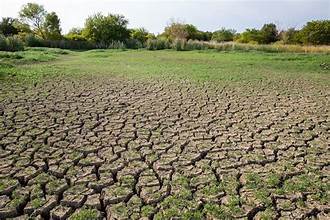
A prolonged spell of extreme heat and drought across the United States is taking a heavy toll on the country’s agricultural sector, damaging key crops and shrinking livestock herds. The situation is raising alarms over declining farm output, rising food prices, and growing financial stress among farmers.
Large parts of major farming regions, particularly in the Midwest and Great Plains, are experiencing below-average rainfall and unusually high temperatures. These conditions have significantly affected staple crops such as wheat, corn, and soybeans. Wheat, in particular, has suffered notable yield losses, with dry soils and heat stress hindering grain development during critical growth stages.
Agronomists report that prolonged moisture deficits have reduced soil fertility and limited the effectiveness of fertilizers, further impacting crop productivity. In many areas, farmers are being forced to abandon or partially harvest fields due to poor crop conditions. Irrigation demand has also surged, increasing input costs at a time when water availability is becoming more constrained.
The livestock sector is facing parallel challenges. Pasturelands have dried up due to lack of rainfall, leaving cattle with insufficient grazing resources. As a result, many ranchers are being compelled to reduce herd sizes, either by selling animals early or culling stock. This trend is expected to have long-term implications for beef supply, potentially leading to higher prices in domestic and global markets.
Heat stress is also directly affecting animal health, reducing weight gain, fertility rates, and milk production. Combined with rising feed costs—driven by lower grain output—the economic pressure on livestock producers is intensifying.
The broader food supply chain is beginning to feel the impact. Lower crop yields and reduced livestock production are contributing to supply tightness, which could translate into increased prices for essential commodities such as bread, meat, and dairy products. Analysts warn that if drought conditions persist, inflationary pressures in the food sector may continue to rise.
Farmers across the United States are facing mounting financial strain as input costs climb and output declines. Insurance claims related to crop failures are expected to increase, while some producers may struggle to recover losses despite federal support programs. The situation is particularly challenging for small and medium-scale farmers with limited financial buffers.
Climate experts note that such extreme weather events are becoming more frequent and intense, underscoring the vulnerability of agriculture to climate variability. The current drought serves as a reminder of the need for climate-resilient farming practices, including drought-tolerant crop varieties, improved water management, and soil conservation techniques.
Government agencies and agricultural organizations are closely monitoring the situation, with potential relief measures under consideration. However, the scale and duration of the drought will ultimately determine the extent of its impact.
If conditions do not improve in the coming weeks, the United States could see a significant decline in agricultural output, with ripple effects across global food markets. The ongoing crisis highlights the urgent need to strengthen resilience in farming systems to withstand the growing challenges posed by climate change.


 By
By











