

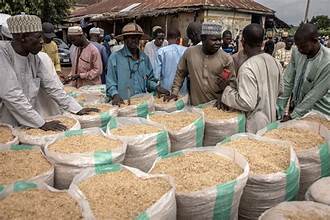
Rising geopolitical tensions around the Strait of Hormuz are sparking serious concerns over global food security, as nearly one-third of the world’s fertilizer supply depends on this critical trade route. Any prolonged disruption in the region could significantly impact agricultural production, pushing food prices higher and increasing the risk of hunger, particularly in developing nations.
The Strait of Hormuz serves as a vital corridor for the transportation of energy and agricultural inputs, including key fertilizers such as urea, ammonia, and other nitrogen-based products. These fertilizers are essential for maintaining crop yields across major agricultural economies. However, with shipping routes under threat, delays and supply shortages are becoming a growing possibility.
Fertilizer production itself is highly energy-intensive, relying heavily on natural gas. As tensions in the region drive up fuel prices, the cost of producing and transporting fertilizers is also rising. This dual pressure—reduced availability and increased costs—could severely limit farmers’ ability to apply adequate nutrients to their crops during crucial growing seasons.
Agricultural experts warn that even a short-term disruption could have cascading effects. Lower fertilizer use typically results in reduced crop yields, especially for staple crops such as wheat, rice, and maize. This, in turn, tightens global food supplies and contributes to price volatility in international markets.
Developing countries are expected to bear the brunt of this crisis. Many nations in Asia, Africa, and Latin America rely heavily on imported fertilizers and lack the financial capacity to absorb sudden price increases. Smallholder farmers, who already operate on thin margins, may be forced to cut back on input use, leading to lower productivity and income losses.
The implications extend beyond crop farming. Livestock and poultry sectors could also face rising feed costs as grain production declines, potentially increasing the prices of meat, milk, and eggs. This broad-based inflation in food commodities could further strain household budgets, particularly among low-income populations.
Global institutions and policymakers are increasingly обесп concerned about the long-term implications. Food security programs, subsidy frameworks, and emergency reserves may need to be strengthened to cushion vulnerable populations. Some countries are also exploring diversification of fertilizer import sources and boosting domestic production capacity to reduce dependence on volatile supply routes.
The current situation highlights the fragile interdependence between global trade routes, energy markets, and agriculture. It underscores the urgency of building resilient food systems that can withstand geopolitical shocks. Investments in sustainable farming practices, efficient nutrient management, and alternative fertilizers may become critical in mitigating future risks.
If the disruption in the Strait of Hormuz intensifies or persists, the world could face a significant agrifood crisis. Ensuring uninterrupted access to fertilizers will be key to stabilizing agricultural production and safeguarding global food security in the months ahead.


 By
By











