India’s wheat production is expected to remain largely stable this season, demonstrating the resilience of the country’s agricultural sector despite facing erratic weather conditions. Fluctuating temperatures, unseasonal rains, and localized heat stress had raised early concerns among farmers and policymakers, but timely interventions and improved farming practices have helped cushion the impact.
According to agricultural experts, while certain regions experienced weather-related stress during critical crop growth stages, overall production levels have held steady due to better crop management and the widespread adoption of improved wheat varieties. These high-yielding and climate-tolerant varieties have played a crucial role in maintaining productivity even under adverse conditions.
Institutions like the Indian Council of Agricultural Research have been instrumental in developing resilient crop strains and promoting best practices among farmers. Their efforts, combined with government support programs, have strengthened the sector’s ability to cope with climate variability.
One of the key factors supporting stable output has been the effective use of irrigation. In major wheat-producing states such as Punjab, Haryana, and Uttar Pradesh, access to irrigation has helped farmers mitigate the effects of irregular rainfall. Additionally, timely advisories and weather forecasts have enabled farmers to make informed decisions regarding sowing, irrigation, and harvesting.
Government initiatives have also contributed to maintaining production stability. Minimum Support Price (MSP) assurance, input subsidies, and extension services have encouraged farmers to continue wheat cultivation despite uncertainties. Procurement operations are expected to remain robust, ensuring that farmers receive fair prices for their produce while maintaining adequate buffer stocks for national food security.
Globally, the Food and Agriculture Organization has emphasized the importance of resilient agricultural systems in the face of climate change. India’s performance this season reflects progress in that direction, showcasing how a combination of technology, policy support, and farmer adaptability can sustain production levels.
However, experts caution that long-term challenges remain. Rising temperatures, groundwater depletion, and increasing frequency of extreme weather events could pose risks to future wheat production. Continuous investment in research, sustainable water management, and climate-smart agriculture will be essential to maintain this resilience.
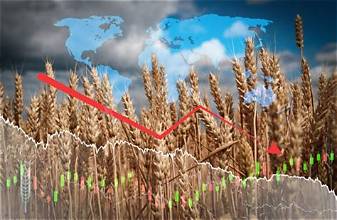
Market analysts note that stable wheat output in India, one of the world’s largest producers, could help moderate global price volatility at a time when several regions are facing production uncertainties. This stability is particularly important for domestic food security, as wheat remains a staple for millions of people across the country.
In conclusion, despite weather-related disruptions, India’s wheat sector has demonstrated strong resilience. With continued focus on innovation, infrastructure, and farmer support, the country is well-positioned to sustain its wheat production and contribute to both national and global food security in the years ahead.


 By
By