U.S. farmers are facing significantly higher operating costs during the 2026 harvest season as diesel prices have climbed to record levels. The increase is putting additional pressure on farm margins and raising concerns about how higher fuel and transportation costs could eventually affect food prices.
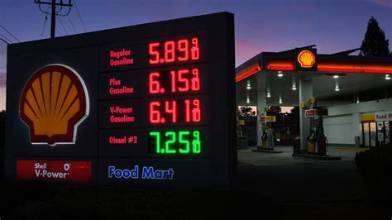
According to a Reuters report published on September 18, 2026, the average U.S. diesel price reached $6.29 per gallon, up 68% from $3.74 a year earlier, based on data from the U.S. Energy Information Administration. Diesel is particularly important during harvest because combines, tractors, trucks and other agricultural machinery depend heavily on the fuel.
Harvest Season Faces Higher Fuel Costs
The impact is particularly significant during the peak harvest period, when farmers operate machinery for long hours to harvest and transport crops. Reuters reported that one farmer in southeast South Dakota expected to spend as much as $1,500 per day to fuel a single combine, roughly twice last year’s cost. Another Missouri farmer said a single combine can require around 300 gallons of diesel during intensive operations.
For farmers already operating with relatively tight margins, higher fuel expenses can create difficult budget decisions. Fuel costs affect not only harvesting but also grain transportation, field preparation, drying and other farm operations.
Higher Costs Across the Agricultural Supply Chain
The pressure from diesel prices extends beyond farms. Agriculture is closely connected to trucking and freight transportation, particularly for moving crops, livestock feed, fresh produce and other food products.
Reuters cited agricultural economist David Ortega of Michigan State University, who noted that much of the U.S. food supply moves by truck and those vehicles rely on diesel. As transportation expenses increase, some of the additional costs can eventually move through the supply chain.
The impact may be particularly visible for products requiring refrigerated transportation, such as fruits, vegetables, dairy and meat. Reuters reported that refrigerated transportation costs for some agricultural products have already increased substantially in parts of the United States.
Food Prices Could Feel the Impact
Higher diesel prices do not automatically translate into an equivalent increase in food prices because fuel represents only one component of the final cost of food. Retailers, processors, farmers and transport companies can absorb some increases, at least temporarily.
However, prolonged high fuel prices could gradually increase costs across the supply chain. Reuters reported that economists expect the effects to take time because existing freight contracts and other arrangements may delay the transmission of higher fuel costs to consumers.
The issue is therefore being closely watched by agricultural markets, particularly as the U.S. enters one of its most diesel-intensive periods of the year.
A Wider Energy Market Challenge
The rise in U.S. diesel prices is part of a broader global fuel-supply disruption. Reuters reported that disruptions linked to conflict in the Middle East and attacks affecting Russian refining capacity have tightened diesel supplies. U.S. retail diesel prices subsequently moved above $6 per gallon, while inventories remained below the five-year seasonal average.
For American farmers, the immediate concern is managing higher fuel expenses while completing the harvest efficiently. For the wider food industry, the longer-term question is whether elevated diesel prices will continue long enough to increase transportation, production and ultimately consumer food costs.


 By
By