Pakistan has recorded a significant increase in the value of insecticide imports during the first two months of Fiscal Year 2027 (FY2027), highlighting changing demand for crop-protection products and the evolving dynamics of agricultural inputs in the country.
According to the latest trade data, Pakistan’s insecticide import value increased by 53.40% during the opening two months of FY2027 compared with the corresponding period of the previous fiscal year. The sharp rise points to stronger demand for agricultural chemicals used to protect crops from insects and other pests.
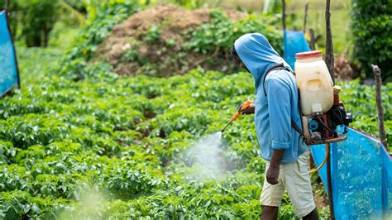
Insecticides play an important role in Pakistan’s agricultural sector, where crops such as cotton, rice, wheat, maize, sugarcane, fruits and vegetables face a variety of pest-related challenges. Farmers and agricultural businesses rely on crop-protection products to reduce crop losses and maintain productivity, particularly during periods of high pest pressure.
Rising Demand for Crop-Protection Products
The substantial growth in insecticide imports may indicate increased procurement by distributors, agrochemical companies and other participants in Pakistan’s agricultural supply chain. Higher imports can also reflect farmers’ efforts to protect crops against pest outbreaks and maintain yields.
Crop-protection inputs form an important component of modern farming systems. When pest populations increase, farmers may require additional insecticide applications, depending on the crop, pest species and recommended integrated pest-management practices.
The increase in import value therefore provides an indication of activity within Pakistan’s agricultural input market, although import value alone does not necessarily mean that the physical quantity of insecticides imported increased by the same percentage. Changes in international prices, exchange rates, product composition and purchasing patterns can also influence the total import value.
Implications for Pakistan’s Agriculture Sector
Pakistan’s agriculture sector remains closely linked to the availability and affordability of essential farm inputs. Seeds, fertilizers, pesticides, irrigation and farm machinery all contribute to production costs and ultimately influence farm profitability.
A significant increase in insecticide imports could put greater emphasis on the availability of effective and affordable crop-protection solutions. At the same time, responsible pesticide use remains important to minimize risks related to pesticide residues, resistance development and environmental impacts.
Agricultural experts increasingly emphasize Integrated Pest Management (IPM), which combines monitoring, biological control, cultural practices and carefully targeted chemical applications. Such approaches can help farmers manage pests while reducing unnecessary pesticide use.
A Key Indicator of Input-Market Trends
The 53.40% increase in insecticide import value during the first two months of FY2027 is an important indicator of developments in Pakistan’s agricultural input market. It reflects stronger economic activity around crop-protection products and suggests that insecticides continue to represent an important component of farm input demand.
However, the broader significance of the increase will become clearer as more months of FY2027 trade data become available. Future import trends, domestic crop conditions, pest pressure, agrochemical prices and farmers’ purchasing behavior will determine whether the increase represents a short-term rise or part of a longer-term shift in Pakistan’s crop-protection market.
For Pakistan’s agriculture sector, maintaining access to quality crop-protection products while promoting efficient and responsible use will remain important for protecting crop yields and strengthening farm productivity.

 By
By