

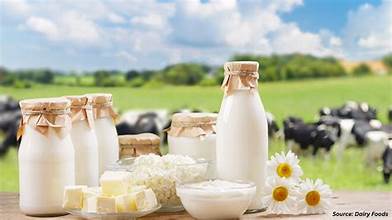
India’s dairy sector is witnessing a quiet transformation in its high-altitude regions, particularly in Ladakh, where targeted government initiatives are helping boost milk production, strengthen infrastructure, and improve rural livelihoods. Traditionally constrained by harsh climatic conditions and limited resources, these regions are now emerging as new frontiers for dairy development.
Driven by support from the Government of India and local administrations, several programs have been launched to promote scientific dairy farming practices. Farmers are being provided with improved cattle breeds, veterinary support, and training in modern animal husbandry techniques. These efforts are gradually enhancing productivity and reducing the dependency on imported dairy products in remote areas.
One of the major challenges in Himalayan regions has been the lack of cold-chain infrastructure. Due to extreme weather conditions and difficult terrain, preserving and transporting milk has historically been a significant hurdle. However, recent investments in chilling plants, insulated storage units, and refrigerated transport systems are helping bridge this gap. These developments are ensuring that milk and dairy products can be stored safely and reach markets without spoilage.
Additionally, cooperative models and farmer producer organizations (FPOs) are being encouraged to aggregate milk production and improve bargaining power. By organizing farmers into groups, these initiatives are facilitating better access to markets, fair pricing, and financial services. As a result, dairy farming is becoming a more viable and profitable livelihood option for local communities.
The transformation is also being supported by the introduction of locally adaptable livestock breeds that can withstand cold temperatures and low-oxygen conditions. Combined with improved feed management and healthcare services, these measures are contributing to steady growth in milk output across the region.
Experts note that dairy development in areas like Ladakh not only enhances income opportunities but also strengthens nutritional security. Increased availability of fresh milk and dairy products is improving the dietary diversity of local populations, which is especially important in geographically isolated regions.
Moreover, the expansion of dairy activities is creating employment opportunities, particularly for women and youth, who are playing an active role in managing livestock and dairy operations. This socio-economic impact is helping reduce migration and support sustainable rural development.
While progress is evident, challenges such as high feed costs, limited grazing areas, and logistical constraints still need to be addressed. Continued investment, technological innovation, and policy support will be essential to sustain and scale these efforts.
Overall, the dairy sector’s expansion in Himalayan regions reflects a strategic shift toward inclusive agricultural development. With the right mix of infrastructure, training, and institutional backing, regions like Ladakh are steadily transforming into resilient and self-reliant dairy hubs.


 By
By











