

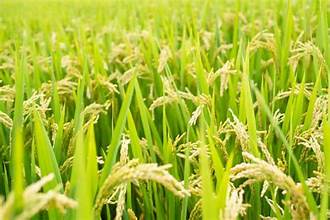
As climate change continues to disrupt agricultural patterns, the development and adoption of climate-resilient crop varieties have become a top priority in India’s farming sector. Leading this effort is the Indian Council of Agricultural Research, which is actively promoting drought- and heat-tolerant crop varieties to help farmers cope with rising temperatures, erratic rainfall, and extreme weather events.
In recent years, Indian agriculture has faced increasing climate variability, including prolonged dry spells, sudden heatwaves, and unseasonal rains. These challenges have significantly affected crop productivity and farm incomes. To address this, ICAR and its affiliated research institutions are developing improved varieties of key crops such as wheat, rice, pulses, and oilseeds that can withstand environmental stress while maintaining stable yields.
Heat-tolerant wheat varieties, for instance, are being designed to perform better during high-temperature conditions, particularly during the grain-filling stage, which is highly sensitive to heat stress. Similarly, drought-resistant rice varieties require less water and can survive in low-moisture conditions, making them suitable for rainfed regions. These innovations are crucial in ensuring consistent production despite changing climatic conditions.
The Government of India is also supporting the large-scale dissemination of these climate-resilient seeds through various agricultural schemes and extension programs. Farmers are being encouraged to adopt these varieties through demonstrations, subsidies, and awareness campaigns. The aim is to accelerate the transition from traditional seeds to more resilient options that offer long-term sustainability.
In addition to genetic improvements, scientists are focusing on integrating these crop varieties with better agronomic practices. Techniques such as conservation agriculture, efficient water management, and precision farming are being promoted alongside resilient seeds to maximize their effectiveness. This holistic approach ensures that farmers can fully benefit from technological advancements.
Experts emphasize that climate-resilient crops are not just about survival under stress but also about maintaining nutritional quality and market value. Research is being directed toward developing varieties that retain grain quality, taste, and processing characteristics, ensuring they remain acceptable to consumers and industries alike.
The importance of these developments extends beyond individual farmers to national food security. With a growing population and increasing pressure on natural resources, ensuring stable agricultural output is critical. Climate-resilient crops provide a buffer against production shocks, helping maintain supply and control food inflation.
However, the success of these initiatives depends on effective last-mile delivery. Ensuring that small and marginal farmers have access to quality seeds, timely information, and institutional support remains a key challenge. Strengthening seed distribution systems and improving farmer awareness will be essential to achieving widespread adoption.
As climate risks continue to intensify, the focus on resilient agriculture is expected to grow stronger. With sustained research, policy support, and farmer participation, India is positioning itself to build a more adaptive and secure agricultural future—one that can withstand the uncertainties of a changing climate while safeguarding livelihoods and food supplies.


 By
By











