

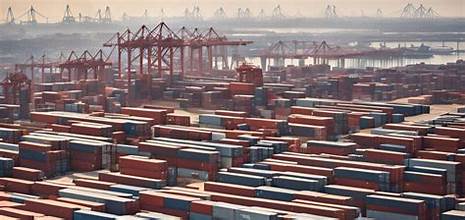
Agriculture across Africa is facing growing uncertainty as escalating global conflicts—particularly in the Middle East—begin to ripple through food and fertilizer supply chains. A recent global assessment warns that these disruptions could slow economic growth and intensify pressure on already vulnerable farming systems across the continent.
One of the key concerns is Africa’s heavy dependence on imported agricultural inputs, especially fertilizers and fuel. Ongoing tensions in critical regions have disrupted trade routes and increased transportation costs, making essential inputs more expensive and less accessible for farmers. This is particularly problematic for smallholder farmers, who make up the majority of the agricultural workforce and often operate with limited financial buffers.
The disruption of fertilizer supplies is expected to have a direct impact on crop productivity. Reduced availability and higher prices are forcing many farmers to cut back on usage, which could lead to lower yields of staple crops such as maize, wheat, and rice. In regions already facing food insecurity, even a slight drop in production can have serious consequences for both food availability and affordability.
In addition to input challenges, rising global energy prices are increasing the cost of irrigation, transportation, and food processing. These cost pressures are likely to be passed along the value chain, contributing to higher food prices and inflation across African economies.
The report also highlights broader economic risks. Slower global growth and trade disruptions could reduce export earnings for African countries, limiting their ability to import food and agricultural inputs. This creates a feedback loop where declining agricultural productivity and economic constraints reinforce each other.
Experts warn that without timely intervention, the combined impact of conflict-driven disruptions and existing climate challenges could deepen food insecurity across the continent. Policymakers are being urged to invest in local fertilizer production, strengthen regional trade networks, and promote climate-resilient farming practices.
As global uncertainties continue to rise, Africa’s agricultural sector stands at a critical juncture. Strengthening supply chain resilience and reducing dependence on external inputs will be essential to safeguarding food security and supporting sustainable agricultural growth in the years ahead.


 By
By











