

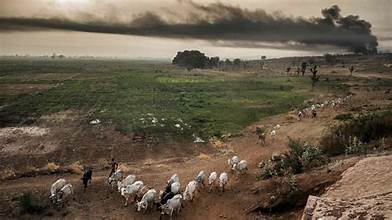
Escalating climate change impacts are placing unprecedented pressure on global food systems, with rising temperatures and marine heatwaves disrupting agriculture and fisheries across multiple regions. A growing body of evidence, including assessments by the United Nations, suggests that these combined stresses are intensifying food insecurity and undermining farmer livelihoods worldwide.
On land, increasing temperatures are accelerating crop stress, reducing soil moisture, and shortening growing cycles. Staple crops such as wheat, maize, and rice are particularly vulnerable, as even slight increases in temperature during flowering and grain-filling stages can significantly reduce yields. In many parts of South Asia and Africa, farmers are already experiencing declining productivity and rising input costs as they attempt to cope with erratic weather patterns.
At the same time, marine ecosystems are undergoing rapid changes due to prolonged ocean warming. Marine heatwaves are disrupting fish habitats, altering migration routes, and reducing fish populations. This is a serious concern for coastal communities and nations that rely heavily on fisheries for both nutrition and economic stability.
The combined impact of these changes is contributing to a steady rise in global food insecurity. Reduced agricultural output, coupled with supply chain disruptions, is pushing food prices higher and making access to affordable nutrition more difficult—especially for vulnerable populations.
Another critical dimension is the growing stress on farmers. Unpredictable weather, declining yields, and financial uncertainty are increasing the psychological and economic burden on farming communities. In many regions, smallholder farmers—who form the backbone of food production—are the most affected due to limited access to technology, insurance, and climate-resilient infrastructure.
Experts emphasize that urgent adaptation and mitigation strategies are needed to prevent further deterioration. These include developing heat-tolerant crop varieties, improving water-use efficiency, strengthening early warning systems, and promoting sustainable fisheries management.
As climate risks continue to intensify, the situation underscores a pressing reality: without coordinated global action, climate change could push food systems beyond their resilience limits, threatening food security, rural livelihoods, and economic stability on a global scale.


 By
By











