

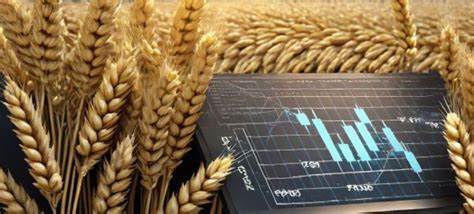
Global wheat markets are witnessing a sharp rally in 2026, with prices rising by nearly 30% due to a combination of extreme weather conditions and ongoing disruptions in agricultural inputs. The surge is raising serious concerns about global food security, particularly for import-dependent nations.
One of the primary drivers behind the price spike is the severe drought affecting the U.S. Plains, a key wheat-producing region. Prolonged dry conditions have significantly weakened crop health, reducing yield potential and forcing analysts to revise production forecasts downward. Reports indicate that soil moisture levels are critically low, and a large share of winter wheat is now rated in poor condition.
In addition to weather stress, global fertilizer supply disruptions are compounding the problem. Ongoing geopolitical tensions have restricted the availability of key inputs such as nitrogen, potash, and phosphate fertilizers. This has led to higher input costs for farmers worldwide, prompting many to cut back on fertilizer use—further impacting crop productivity.
Major wheat-exporting countries, including the United States, Russia, and parts of Europe, are all facing varying degrees of production challenges this season. This synchronized stress across multiple regions is tightening global supply and increasing volatility in international markets.
The rising prices are already affecting food inflation globally, as wheat is a staple ingredient in products such as bread, flour, and pasta. Countries in Africa, the Middle East, and South Asia—many of which rely heavily on imports—are particularly vulnerable to these price shocks.
Market experts warn that if drought conditions persist and input constraints remain unresolved, wheat prices could climb even higher in the coming months. Governments and international agencies are closely monitoring the situation, with some countries considering strategic reserves and trade policy adjustments to stabilize domestic markets.
Overall, the current wheat price surge highlights the growing vulnerability of global food systems to climate change and geopolitical disruptions, reinforcing the need for resilient agricultural practices and diversified supply chains.


 By
By











