The Food and Agriculture Organization (FAO) has underscored the increasing threat posed by transboundary animal diseases (TADs), urging governments, veterinary authorities, and international organizations to strengthen prevention measures and enhance cross-border cooperation. As livestock diseases continue to spread across regions, experts warn that they could disrupt food production, threaten rural livelihoods, and hinder global agricultural trade if not effectively controlled.
Transboundary animal diseases are highly contagious infections that can spread rapidly between countries through the movement of animals, animal products, wildlife, and even contaminated equipment. Outbreaks of diseases such as foot-and-mouth disease, African swine fever, avian influenza, and other emerging livestock infections have demonstrated how quickly animal health emergencies can escalate into major economic and food security challenges.
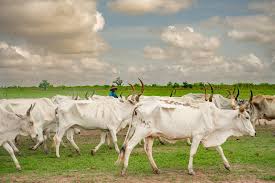
According to international experts, the livestock sector plays a critical role in supplying meat, milk, eggs, and other essential products to billions of people worldwide. When disease outbreaks occur, they can reduce animal productivity, increase mortality rates, and force authorities to impose movement restrictions or cull infected herds, resulting in significant financial losses for farmers and agribusinesses.
The FAO and its partners emphasize that prevention remains the most effective strategy for minimizing these risks. Strong veterinary services, routine disease surveillance, laboratory testing, vaccination programs where appropriate, and rapid reporting systems are considered essential components of an effective animal health framework. Early detection enables authorities to contain outbreaks before they spread widely and cause lasting damage.
International coordination has become increasingly important as globalization expands trade and livestock movement. Countries are encouraged to share information promptly, harmonize disease monitoring systems, and collaborate on emergency response strategies. Such cooperation helps reduce the likelihood of cross-border transmission and supports more effective management of regional outbreaks.
Biosecurity at the farm level also remains a key line of defense. Farmers are advised to implement strict sanitation practices, monitor animal health regularly, control visitor access, quarantine newly introduced animals, and ensure proper disposal of animal waste and carcasses. These measures can significantly reduce the risk of disease introduction and spread within livestock operations.
Climate change and changing ecosystems are adding further complexity to disease management. Altered weather patterns can influence the distribution of disease vectors such as insects and ticks, while shifting wildlife populations may create new pathways for pathogen transmission. Experts believe that adapting surveillance systems to these evolving conditions will be essential for maintaining effective disease control.
Technological advances are also strengthening animal health management. Digital reporting platforms, genomic sequencing, artificial intelligence, and remote sensing tools are helping veterinary authorities detect outbreaks more quickly and improve epidemiological analysis. These innovations support faster decision-making and more targeted interventions during disease emergencies.
The economic implications of transboundary animal diseases extend well beyond farms. Export restrictions, disrupted supply chains, increased veterinary costs, and reduced consumer confidence can affect national economies and international markets. For countries that depend heavily on livestock exports, maintaining disease-free status is vital for preserving market access and competitiveness.
Industry organizations and policymakers are increasingly investing in research, vaccine development, and capacity-building programs to improve preparedness. Training veterinarians, strengthening laboratory networks, and educating livestock producers about disease recognition are all considered essential steps toward reducing future risks.
As global demand for animal-based products continues to rise, safeguarding livestock health has become a cornerstone of sustainable agriculture and food security. The FAO’s call for stronger prevention and coordinated international action reflects the growing recognition that effective disease control requires collaboration across borders, sectors, and scientific disciplines.
By investing in surveillance, biosecurity, and international cooperation, countries can better protect their livestock industries, support rural economies, and ensure stable food production while reducing the impact of emerging animal health threats on global trade and public welfare.


 By
By