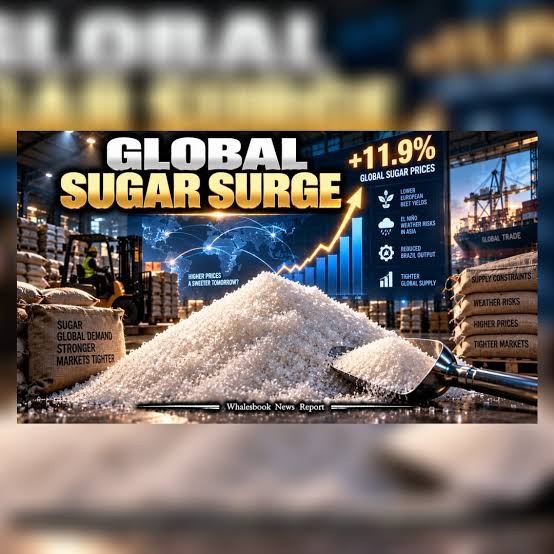
Global food prices have climbed to their highest level in nearly four years, raising fresh concerns about food security, agricultural markets and consumer inflation across countries. The Food and Agriculture Organization of the United Nations (FAO) Food Price Index rose 1.9% in August to 133.3 points, marking its highest level since November 2022.
The latest increase highlights growing pressure on global food markets as weather disruptions, geopolitical tensions and trade uncertainties affect the production and movement of key agricultural commodities. The rise also comes at a time when governments and food-importing countries are closely monitoring supply conditions ahead of the coming agricultural seasons.
Weather Risks Put Pressure on Food Supplies
One of the major factors behind the increase is the growing impact of adverse weather conditions on agricultural production. Extreme heat, droughts, excessive rainfall and other weather-related disruptions can reduce crop yields, affect harvesting schedules and create uncertainty for farmers and traders.
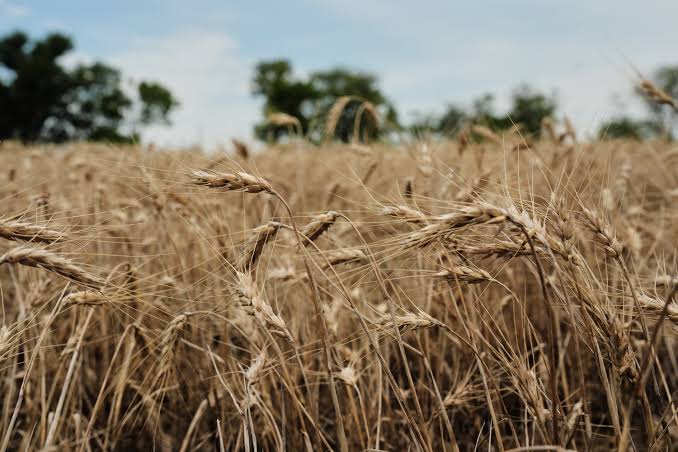
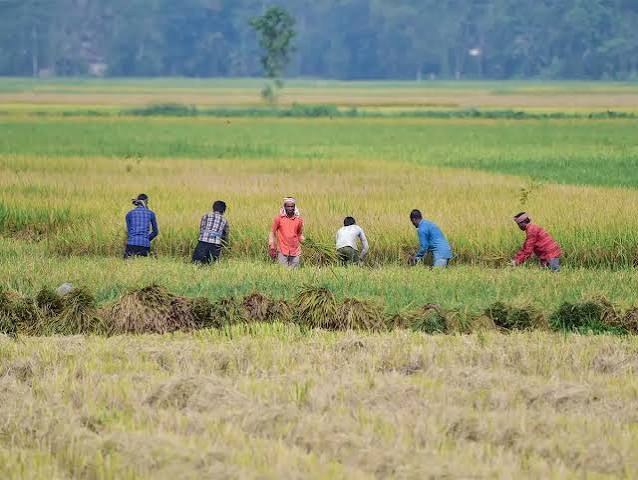
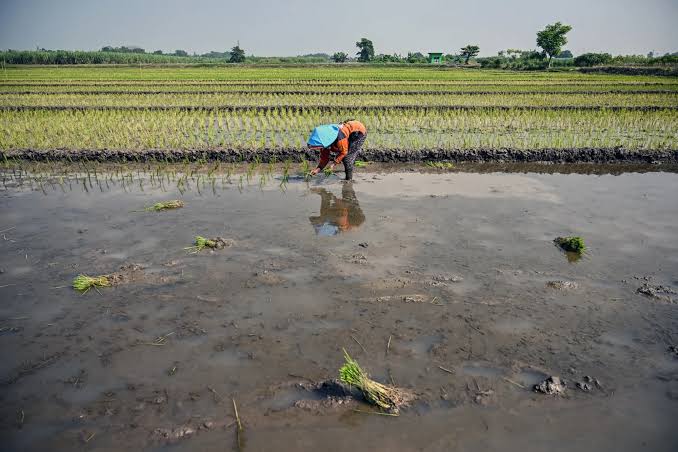
Weather conditions are particularly important for globally traded commodities such as wheat, maize, rice and oilseeds. When production expectations decline, markets often respond quickly as buyers seek to secure supplies, pushing international prices higher.
The situation is especially significant for countries that depend heavily on imports to meet domestic food demand. Higher international prices can increase import costs and eventually place additional pressure on retail food prices.
Geopolitical Tensions Add to Market Uncertainty
Geopolitical tensions are another important factor influencing agricultural commodity markets. Conflicts and political instability can disrupt production, transportation, storage and international trade.
The Black Sea region remains particularly important for global grain supplies. Russia and Ukraine have historically played major roles in international wheat, maize and other agricultural commodity markets. Any disruption to shipping routes, ports or export infrastructure can create concerns among international buyers and contribute to price volatility.
Uncertainty surrounding trade routes and export availability can also encourage countries to increase their stocks, adding further demand to an already sensitive market.
Impact on Farmers and Consumers
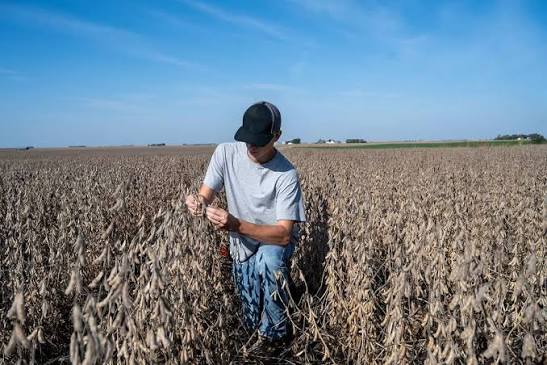
The rise in global food prices could have mixed implications for farmers. Higher commodity prices may improve returns for producers who are able to sell their crops at stronger prices. However, increased prices do not necessarily translate into higher farm incomes because farmers are also facing rising costs for fertilizers, fuel, machinery, seeds and other agricultural inputs.
For consumers, sustained increases in international food prices could create additional inflationary pressure. Developing countries and low-income households are particularly vulnerable because food represents a relatively large share of household expenditure.
Governments may therefore face increased pressure to maintain stable food supplies, manage strategic reserves and protect vulnerable consumers.
Global Food Markets Enter a Critical Period
The latest FAO index increase underlines the fragile nature of the global food system. While international agricultural markets can adjust through increased production, trade and inventories, sudden weather events or geopolitical disruptions can quickly change supply expectations.
For farmers, policymakers and food companies, monitoring global commodity markets will remain critical in the months ahead. Developments in weather, crop production, export policies and international trade routes could determine whether the current rise in food prices continues or begins to moderate.
The August increase in the FAO Food Price Index therefore serves as an important warning that global food markets remain highly sensitive to supply disruptions and geopolitical risks.


 By
By