The 2026 Farm Progress Show highlighted the rapid transformation taking place in modern agriculture, with manufacturers showcasing new tractors, planters and advanced technologies designed to improve farm productivity and efficiency. A key theme emerging from the event was the growing availability of affordable automation and precision technologies that can be integrated into existing farm machinery.
The shift is significant because farmers do not always need to purchase completely new equipment to benefit from digital agriculture. Retrofit technologies are increasingly allowing existing tractors and implements to gain automated and precision capabilities, potentially lowering the cost of adopting smart farming solutions.
Automation Moves Beyond New Machinery
Agricultural automation has traditionally been associated with high-end equipment featuring factory-installed guidance, sensors and advanced control systems. However, the latest developments suggest that automation is becoming more accessible to farmers who already own conventional machinery.
Retrofit systems can add capabilities such as automated steering, precision control and machine monitoring to existing equipment. This approach could help farmers modernize their operations without making the substantial investment required to replace an entire machinery fleet.
For smaller and mid-sized farms, the ability to upgrade existing equipment could be particularly valuable.
Precision Technology Improves Farm Efficiency
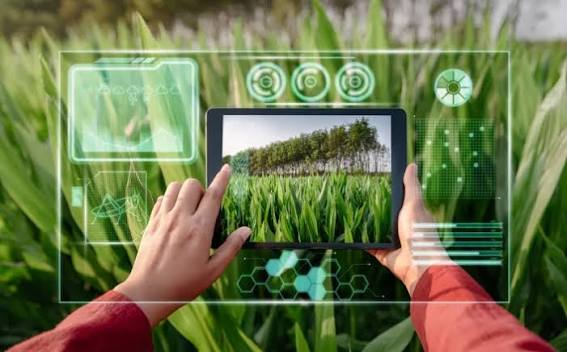
Precision agriculture technologies are designed to help farmers use inputs more efficiently while improving field operations. GPS-based guidance, automated steering, precision planting and digital monitoring can help reduce overlaps, improve planting accuracy and make machinery operations more consistent.
Better precision can potentially reduce unnecessary use of seeds, fertilizers, fuel and other inputs. At a time when farmers are facing pressure from high production costs, technologies that improve input efficiency are attracting greater interest.
Automation can also reduce operator workload by handling repetitive tasks and helping machinery maintain accurate paths across fields.
New Tractors and Planters Showcase Smart Farming
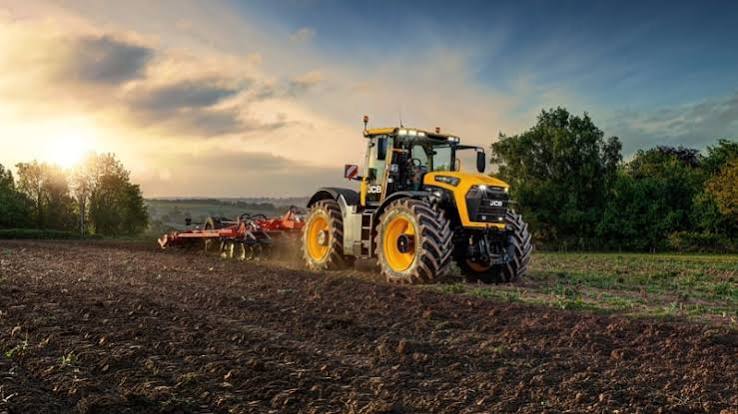
The 2026 Farm Progress Show featured the latest developments in tractors and planting equipment from major agricultural machinery manufacturers. Modern equipment is increasingly being designed around connectivity, automation and data-driven farm management.
Smart tractors can integrate positioning systems, sensors and digital controls to improve field performance. Advanced planters can provide more precise seed placement and monitor planting operations in real time.
These technologies are part of a broader transition toward connected agricultural machinery, where equipment can collect, process and share information to support better farm-management decisions.
Retrofit Solutions Could Accelerate Adoption
One of the most important trends is the development of retrofit technology. Instead of replacing older equipment, farmers can potentially install new electronic and automation systems on machinery they already own.
This model could make precision agriculture more financially accessible. Farmers can gradually upgrade equipment based on their individual needs and budgets rather than making a large investment in an entirely new machine.
Retrofit systems may also extend the useful life of existing machinery while bringing selected features of modern smart equipment to older tractors and implements.
Benefits for Farmers
The adoption of affordable automation could provide several potential benefits, including improved operational accuracy, lower input waste and greater productivity. Automated systems may also help farmers complete field operations more consistently during short planting and harvesting windows.
For farm operators facing labor shortages, automation can provide another potential advantage by reducing the amount of manual intervention required for certain machinery operations.
However, farmers must also consider the cost of technology, compatibility with existing equipment, technical support, connectivity and training before investing.
The Future of Smart Agriculture
The developments showcased at the Farm Progress Show indicate that agricultural technology is moving toward a more flexible and accessible model. Smart farming is no longer limited to purchasing the newest and most expensive machinery.
The growing availability of retrofit automation and precision systems could allow more farmers to modernize their existing equipment while controlling capital expenditure.
Overall, the 2026 Farm Progress Show demonstrated that the future of agricultural machinery is increasingly connected, automated and data-driven. The combination of new smart machinery and affordable retrofit technologies could play an important role in helping farmers improve efficiency, reduce input costs and build more productive and resilient farming operations.

 By
By