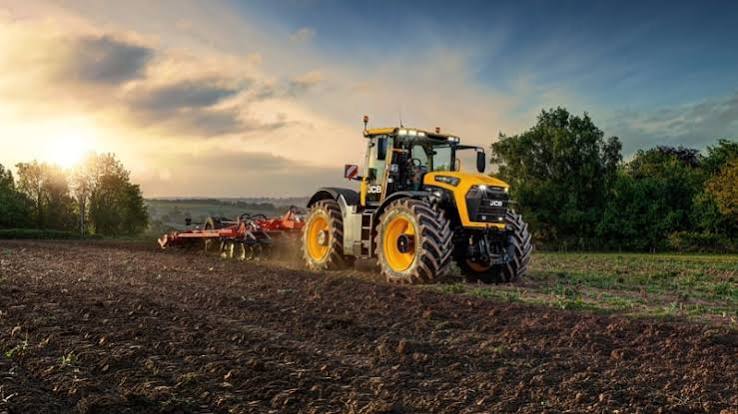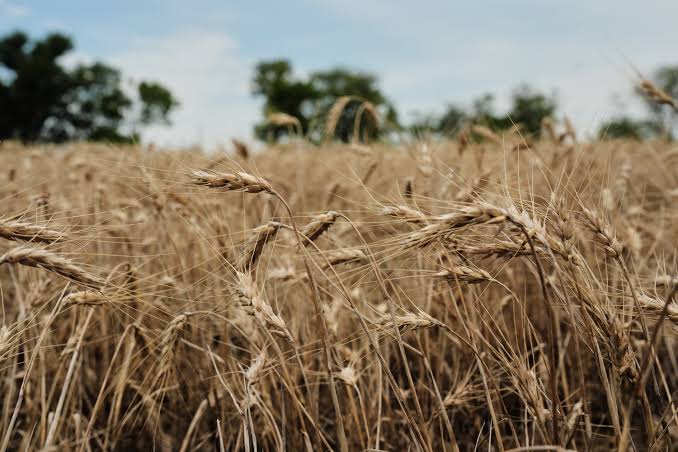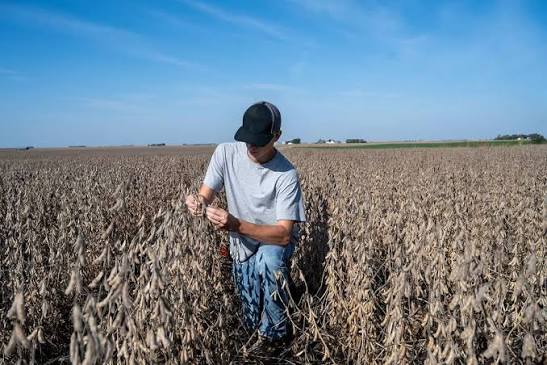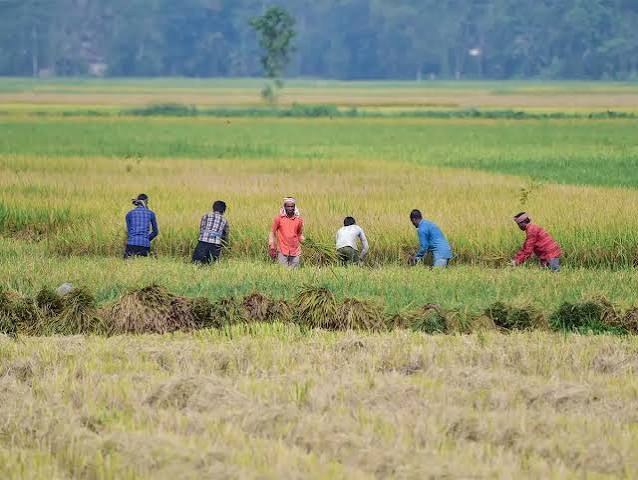
The anticipated return of the El Niño weather pattern is creating fresh uncertainty for global agriculture, with concerns growing over its potential impact on crop production in Asia and other climate-sensitive farming regions. Changes in temperature and rainfall associated with El Niño can significantly influence agricultural conditions, affecting planting, crop development, water availability and yields.
The potential weather shift comes at a time when global food markets are already facing supply concerns. Agricultural producers, traders and governments are therefore closely monitoring weather forecasts for signs of how El Niño could affect major crops and food-exporting regions.
Asia Faces Increased Agricultural Risks
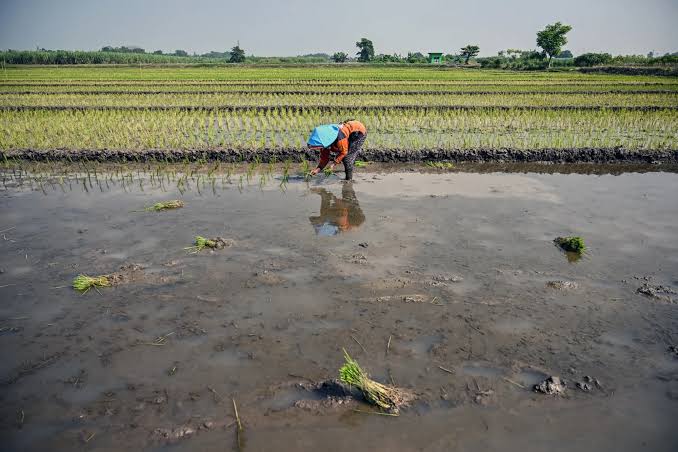
Asia is among the regions that could experience significant agricultural impacts from changing weather patterns. El Niño can alter rainfall distribution and increase the risk of drought or excessive heat in some areas.
Reduced rainfall and higher temperatures can create challenges for crops that depend heavily on adequate water supplies. Rice, palm oil, sugar and other agricultural commodities could be particularly sensitive to changes in weather conditions.
For farmers, prolonged dry conditions could increase irrigation requirements and production costs. In areas where irrigation infrastructure is limited, water shortages could also reduce planting and crop yields.
Palm Oil and Sugar Markets Under Watch
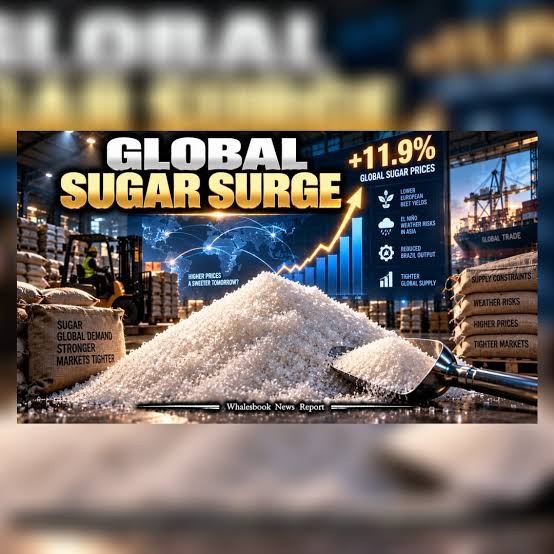
The potential impact of El Niño is attracting particular attention in the palm oil and sugar markets. Both commodities are produced extensively in climate-sensitive regions, making their production prospects closely linked to rainfall and temperature conditions.
If dry weather persists in major producing areas, concerns over lower output could strengthen commodity prices. This could have broader consequences for food manufacturers and consumers because palm oil and sugar are widely used in processed foods, beverages and other products.
However, the eventual impact will depend on the intensity and duration of the weather pattern and how conditions develop across individual producing regions.
European Agriculture Also Faces Weather Pressure
The risks associated with extreme weather are not limited to Asia. European agriculture is already experiencing weather-related challenges, highlighting the broader vulnerability of farming systems to climate variability.
Heatwaves, droughts, heavy rainfall and other extreme conditions can damage crops, disrupt harvesting and increase pressure on agricultural water resources. Such events can also affect livestock production and increase costs for farmers.
The combination of existing weather problems in Europe and the potential emergence of El Niño elsewhere adds another layer of uncertainty to global agricultural markets.
Implications for Global Food Security
Weather-related production losses can have consequences beyond individual farming regions. When major agricultural exporters experience lower output, international supplies can tighten and global commodity prices may rise.
Import-dependent countries could face higher costs for essential food commodities, while consumers may experience additional food-price pressure. Governments may consequently need to monitor domestic supplies, food stocks and import requirements more closely.
Farmers and Markets Remain on Alert
The potential El Niño event demonstrates how closely global agriculture is connected to weather patterns. Even before its full effects become clear, expectations about future crop conditions can influence commodity markets.
Farmers will need to pay close attention to local weather forecasts, water availability and crop-management requirements. Meanwhile, traders and policymakers will be watching production estimates in major agricultural regions.
Overall, the El Niño threat is adding another layer of risk to an already uncertain global food system. Its eventual impact will depend on the strength and duration of the weather pattern, but potential risks to palm oil, sugar and other crops mean that global agricultural markets are likely to remain highly sensitive to weather developments in the months ahead.


 By
By