India’s agriculture sector is facing growing concerns over below-average rainfall in September following a relatively weak monsoon period in several regions. The rainfall outlook has raised concerns about crop development during the ongoing kharif season, with cotton, soybean, maize and rice among the crops that could be affected if dry conditions persist.
The September rainfall pattern is particularly important for Indian agriculture because the final phase of the southwest monsoon plays a crucial role in determining crop yields and replenishing soil moisture and water resources. A prolonged rainfall deficit could increase stress on standing crops and create challenges for farmers in rain-dependent areas.
Cotton and Soybean Among Crops at Risk
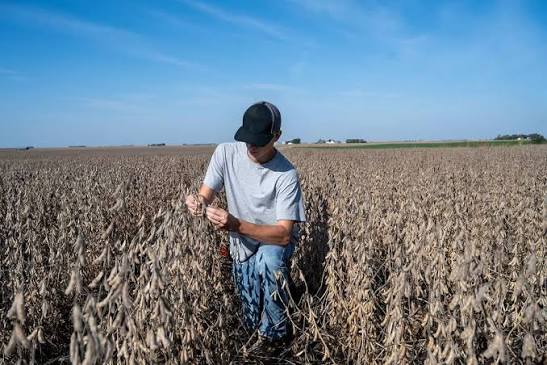
Cotton and soybean are particularly sensitive to moisture availability during important stages of crop development. Insufficient rainfall can affect plant growth, flowering and grain or boll development, potentially reducing yields if adequate irrigation is not available.
Soybean production could also face pressure in areas where rainfall remains inadequate. The crop requires sufficient moisture during key developmental stages, and prolonged dry conditions can affect productivity.
Cotton farmers may similarly face challenges if moisture stress coincides with critical stages of plant development. Irrigated areas could have greater flexibility, but farmers dependent primarily on monsoon rainfall may be more exposed to the risk.
Maize and Rice Could Also Be Affected
Maize is another important kharif crop that could be influenced by uneven rainfall. Moisture shortages during critical growth stages can affect plant development and ultimately reduce yields.
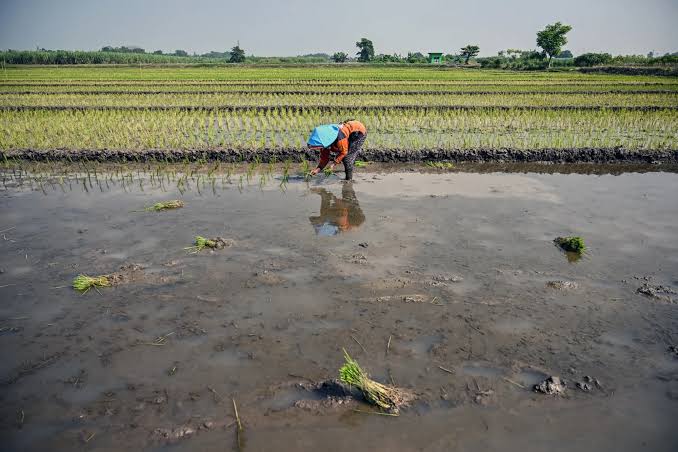
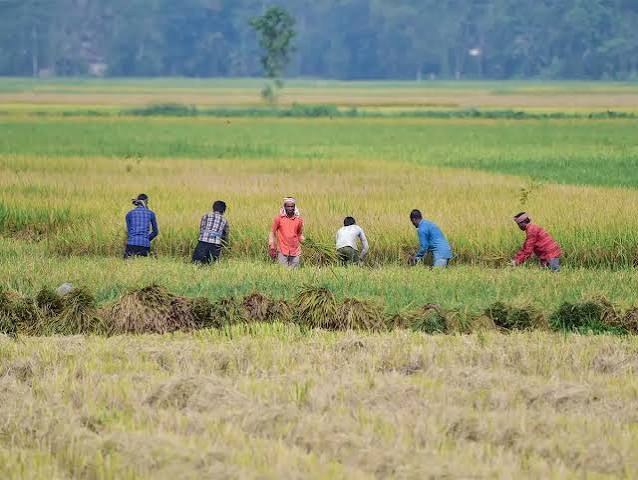
Rice, India’s major monsoon-season crop, could also face localized risks where rainfall remains deficient. Although irrigated rice-growing areas may be better positioned to manage rainfall shortages, rain-fed regions could experience greater pressure if dry conditions continue.
The impact will vary significantly from one state and district to another because rainfall distribution is often uneven. A normal seasonal total does not necessarily guarantee adequate moisture if rainfall is concentrated into short periods.
Soil Moisture Becomes Critical for Rabi Crops
The implications of September rainfall extend beyond the current kharif season. Soil moisture conditions at the end of the monsoon can influence the upcoming rabi planting season.
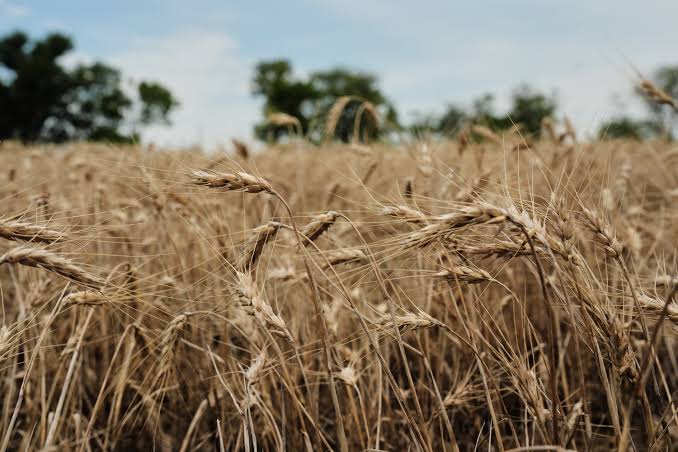
Adequate residual moisture can provide a strong foundation for crops such as wheat, mustard, chickpea and other winter crops, particularly in rain-dependent farming areas. Conversely, poor soil moisture could increase dependence on irrigation and make early-season crop establishment more challenging.
Farmers may therefore need to assess field moisture conditions before making rabi planting decisions and select crops and varieties according to local water availability.
Farmers Need to Monitor Weather Closely
The rainfall situation highlights the importance of localized weather information and efficient water management. Farmers should monitor short-term rainfall forecasts, soil moisture and crop conditions rather than relying only on seasonal rainfall projections.
Where irrigation is available, efficient water application can help protect crops during moisture stress. Conservation practices that reduce evaporation and retain soil moisture may also become increasingly important if dry conditions persist.
Outlook for Indian Agriculture
India’s agricultural outlook will depend heavily on how rainfall evolves during the remainder of the monsoon season. While below-average September rainfall does not automatically mean widespread crop losses, continued dryness could increase risks for rain-fed agriculture.
The situation will also be important for the country’s food supply, farm incomes and agricultural commodity markets. Any significant reduction in kharif production could influence prices and supply expectations for crops such as rice, maize, soybean and cotton.
Overall, below-average September rainfall is emerging as an important risk factor for Indian agriculture. The condition of standing kharif crops, soil moisture levels and the timing of the upcoming rabi season will determine the extent of the impact on farmers and agricultural production.


 By
By