The Food and Agriculture Organization of the United Nations (FAO) has lowered its forecast for global cereal production in 2026, reflecting growing concerns over crop conditions and supply prospects in major producing regions. According to the latest estimate, global cereal production is now expected to reach 2.980 billion tonnes, down by 3.4 million tonnes from the previous forecast.
Despite the downward revision, the outlook remains relatively strong by historical standards. Global cereal production in 2026 would still be around 2% lower than the 2025 level, but it would represent the second-highest production volume on record. This indicates that, although supply expectations have weakened, the global grain market is not facing an immediate shortage at the overall production level.
Weather Remains a Key Concern
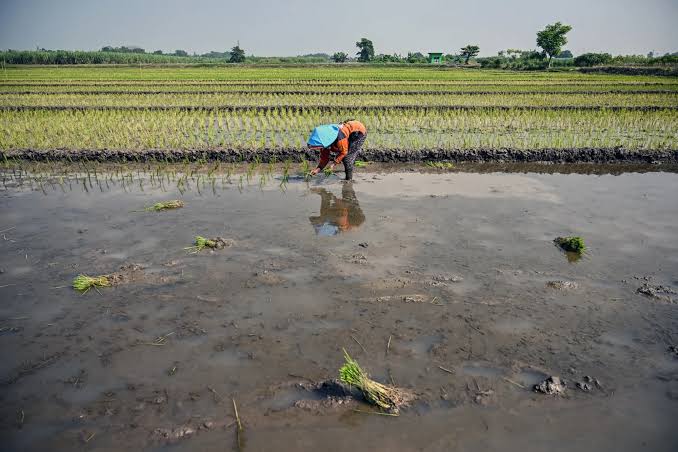
Weather conditions continue to be one of the most important factors influencing the global cereal outlook. Changes in rainfall, temperature and soil moisture can significantly affect yields of wheat, maize, rice and other major cereals.
Adverse weather during critical stages of crop development can lead to lower yields and force international agencies to revise production forecasts. Farmers and grain traders are therefore closely monitoring weather developments across major cereal-producing regions.
The latest reduction in the FAO forecast highlights how quickly production expectations can change when crop conditions deteriorate or harvesting results fall below earlier projections.
Global Grain Supply Still Remains Relatively Strong
Despite the reduction, a production level of 2.980 billion tonnes indicates that global cereal supplies remain historically high. The fact that 2026 production could become the second-highest on record provides some reassurance for global food security.
Strong production can help replenish stocks, support international trade and reduce the risk of severe shortages. However, overall production figures do not tell the complete story. The geographical distribution of supplies, inventories, export policies and domestic demand are also important factors in determining food availability and prices.
Countries that depend heavily on cereal imports could remain vulnerable to fluctuations in international markets, particularly if production declines further in major exporting countries.
Implications for Wheat, Maize and Rice Markets
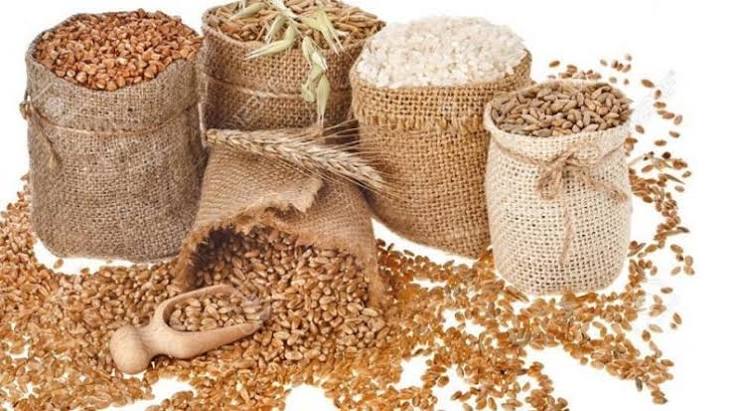
The global cereal outlook is particularly important for wheat, maize and rice markets. These crops form a major part of the global food system and are essential for both human consumption and livestock feed.
A reduction in production expectations can create upward pressure on prices if traders anticipate tighter supplies. However, strong inventories and continued production in other regions could help offset losses in individual producing areas.
For farmers, the situation highlights the importance of monitoring international market trends alongside local weather and input costs. Changes in global cereal prices can influence farm-gate prices, planting decisions and profitability.
Food Security Outlook
The latest FAO forecast presents a mixed picture for global food security. On one hand, the downward revision signals increasing production risks. On the other, projected output remains close to record levels, providing a relatively strong supply base.
The coming months will be critical as weather conditions, harvest results and international trade developments become clearer. Further revisions to the production outlook could influence global cereal prices and food-security assessments.
Overall, FAO’s latest forecast suggests that 2026 global cereal production remains historically strong despite a modest decline in expectations. Continued monitoring of weather, crop conditions and geopolitical developments will be essential to determine whether global grain markets remain well supplied through the year.


 By
By