The ongoing conflict around the Black Sea is creating fresh uncertainty for global grain markets, with continuing attacks and security concerns affecting the movement of agricultural commodities from major exporters Russia and Ukraine. The region remains one of the world’s most important grain-exporting hubs, making disruptions to shipping routes a major concern for international food supplies.
According to the Food and Agriculture Organization of the United Nations (FAO), uncertainty surrounding Black Sea export flows has contributed to the recent increase in global cereal prices. Market participants are closely monitoring developments because any prolonged disruption could affect the availability, cost and delivery of wheat, maize and other grains in international markets.
Black Sea Shipping Under Pressure
Russia and Ukraine are major suppliers to global grain markets. Their ports and shipping routes play an important role in supplying cereals to countries across Africa, Asia, the Middle East and other regions.
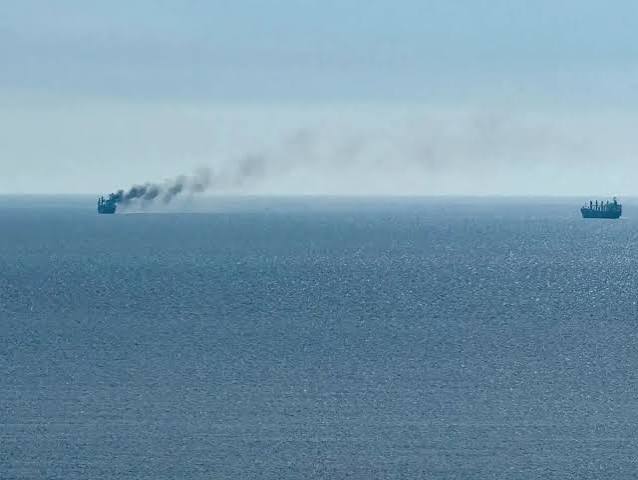
Continuing attacks and security risks have made commercial shipping more complicated. Uncertainty over whether vessels can safely operate, whether ports will remain functional and whether export infrastructure could be damaged has increased risk across the grain supply chain.
Even when physical supplies remain available, concerns about transportation can influence prices. Traders may factor potential delays, higher insurance costs and alternative shipping arrangements into market expectations.
Impact on Global Cereal Prices
The uncertainty surrounding Black Sea exports has contributed to upward pressure on international cereal prices. Wheat markets are particularly sensitive because Russia and Ukraine have historically been among the most important suppliers to global buyers.
When concerns emerge over export availability, importing countries and private traders may seek alternative suppliers or attempt to secure additional stocks. This can increase competition for grain from other exporting regions and contribute to price volatility.
However, the overall impact on prices will depend on the duration and scale of any disruption, as well as crop production and inventories in other parts of the world.
Importing Countries Face Greater Risks
Countries that rely heavily on imports from the Black Sea region could face increased uncertainty if shipping disruptions continue. Importers may need to source grain from alternative origins, potentially increasing transportation costs and procurement expenses.
For developing economies, higher cereal prices can be particularly challenging because wheat, maize and other grains are essential components of food and feed systems. Rising international prices can eventually place additional pressure on domestic food inflation.
Global Grain Trade Remains Vulnerable
The latest developments demonstrate the vulnerability of global agricultural trade to geopolitical disruptions. Modern food supply chains depend on relatively predictable transportation networks, functioning ports and secure maritime routes.
The Black Sea situation shows how a conflict in a major agricultural exporting region can have consequences far beyond its immediate geographic area. Any prolonged disruption could reshape global grain trade patterns as buyers look for alternative suppliers and exporters adjust their shipping strategies.
For farmers, traders, food manufacturers and governments, developments in the Black Sea will therefore remain an important market indicator. Continued uncertainty around Russian and Ukrainian grain exports could keep global cereal markets volatile, particularly if shipping disruptions coincide with weather-related production risks elsewhere.
Overall, the Black Sea conflict remains a significant factor influencing global grain flows and cereal prices, reinforcing the importance of stable trade routes for global food security.


 By
By