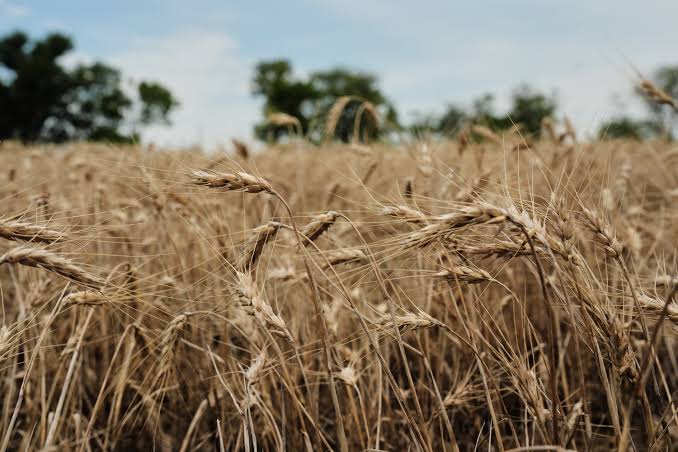
Farmers in Kansas and other parts of the U.S. Midwest are experimenting with Kernza, a perennial grain that could offer an alternative approach to conventional annual grain farming. Unlike traditional crops that must be planted again after every harvest, Kernza can continue growing for multiple years, potentially reducing some of the costs and environmental pressures associated with repeated cultivation.
The crop is attracting increasing attention as farmers face more frequent challenges from drought, extreme heat, soil erosion and unpredictable weather. Its perennial nature and deep root system could make it particularly useful as part of climate-resilient farming systems.
What Makes Kernza Different?
Kernza is a perennial grain developed from intermediate wheatgrass, a forage grass that has been selectively bred for grain production. Its most notable characteristic is its ability to remain in the soil and produce grain over successive years.
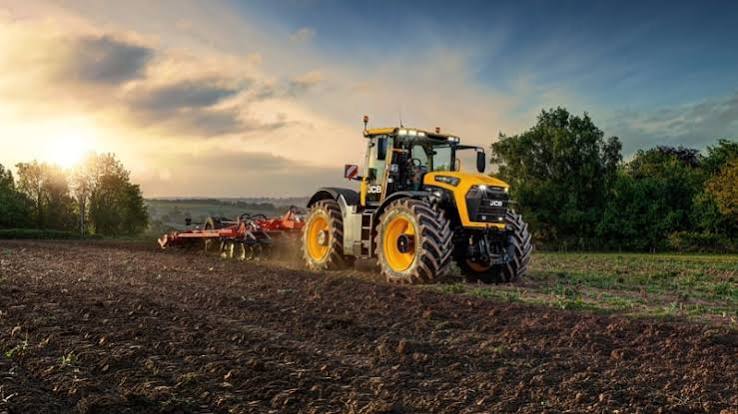
Conventional annual grains require farmers to prepare fields, plant seeds and establish new crops every season. Kernza’s perennial growth cycle can reduce the need for repeated soil disturbance and annual replanting.
Its extensive root system also allows the plant to access moisture deeper in the soil, which may help it withstand periods of water stress better than some shallow-rooted annual crops.
Potential Benefits for Drought-Prone Areas
Water availability is becoming an increasingly important issue for farmers across the U.S. Midwest. Drought conditions can reduce yields and increase production risks, particularly for crops that depend heavily on seasonal rainfall.
Kernza’s deep root network could help the crop access water stored deeper in the soil. While it is not immune to drought, its perennial characteristics may provide greater resilience under certain conditions.
Farmers are therefore investigating whether Kernza could become part of diversified cropping systems designed to withstand increasingly variable weather.
Protecting Soil From Erosion
Another potential advantage of Kernza is its ability to maintain living roots in the soil for much of the year. Conventional annual crops can leave fields relatively exposed between growing seasons, increasing the risk of soil erosion caused by wind and water.
Because Kernza remains established, its root system can help hold soil in place and potentially improve soil structure. Continuous ground cover may also contribute to better water infiltration and reduce runoff.
These characteristics make perennial grains particularly interesting from a soil-health and conservation perspective.
Potential to Reduce Production Inputs
Kernza could also reduce certain production requirements because farmers do not need to establish a completely new crop every year. Reduced tillage and fewer planting operations could potentially lower fuel, labor and machinery requirements.
However, the economic benefits are still being evaluated. Kernza remains a developing crop, and farmers must consider factors such as seed availability, grain yields, harvesting requirements, markets and processing infrastructure.
For widespread adoption, farmers will need reliable markets that provide sufficient returns to make Kernza competitive with established crops such as wheat and corn.
Challenges Remain
Despite its potential, Kernza is not yet a direct replacement for conventional grain crops. Researchers and farmers are continuing to work on improving yields, disease resistance, grain quality and agronomic performance.
Market development is another major challenge. Farmers are more likely to adopt a new crop when buyers, processors and food companies are willing to purchase it at attractive prices.
A Potential Climate-Resilient Crop
The growing interest in Kernza reflects a broader effort among U.S. farmers and researchers to develop agricultural systems that can better withstand extreme weather while protecting natural resources.
Its deep roots, perennial growth cycle and potential soil-conservation benefits make Kernza an interesting option for sustainable agriculture. However, further research and market development will be necessary before it can become a mainstream grain crop.
As climate risks increase across agricultural regions, experiments with crops such as Kernza could provide valuable lessons about how perennial farming systems can contribute to drought resilience, soil health and more sustainable grain production in the future.


 By
By