Global food prices rose sharply in August 2026, reaching their highest level since the end of 2022, as extreme weather, geopolitical tensions and disruptions to major trade routes increased concerns over food supplies worldwide.
According to the latest Food and Agriculture Organization of the United Nations (FAO) Food Price Index, the benchmark index averaged 133.3 points in August, marking a 1.9% increase from July and a 2.5% rise compared with August 2025. The increase was broad-based, with prices of cereals, vegetable oils, sugar, meat and dairy products all moving higher.
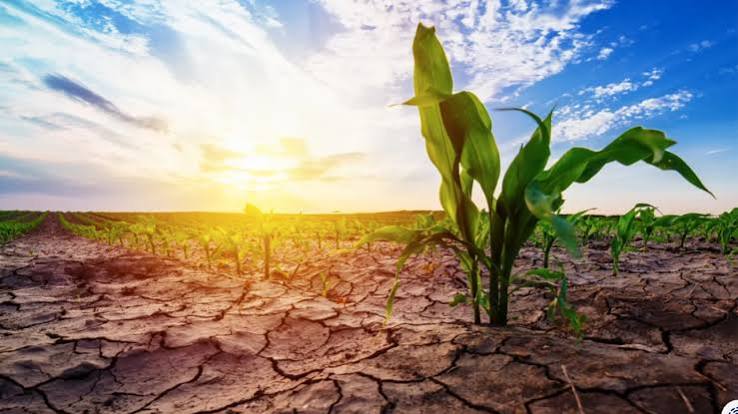
The latest increase highlights growing risks for global food markets, particularly as farmers and traders face increasingly unpredictable weather conditions. High temperatures, drought concerns and other weather-related risks in several major producing regions have raised questions about crop yields and future supplies.
Sugar Prices Lead the Increase
Among the major food commodities, sugar recorded the sharpest increase, with the FAO Sugar Price Index jumping 11.9% in August. The index reached its highest level since June 2025.
The rise was linked to concerns over sugar production in the 2026/27 season, including hot and dry weather in parts of the European Union and Asia, as well as lower production expectations in Brazil. India’s decision to allow duty-free imports of raw sugar also influenced global market expectations.
Wheat and Maize Prices Also Rise
The FAO Cereal Price Index increased 2.2% in August, reaching its highest level since May 2024. Wheat prices rose amid continued uncertainty surrounding Black Sea export logistics and weather-related production concerns in Europe.
Maize prices also increased by 2.5%, supported by concerns over crop yields in parts of the United States and European Union, strong demand from the feed and ethanol sectors, and disruptions affecting Ukrainian exports.
The Black Sea region remains particularly important to global grain markets. Continued geopolitical tensions and logistical disruptions have increased uncertainty around the movement of wheat, maize and other agricultural commodities from major exporting countries.
All Major Food Categories Move Higher
The increase was not limited to grains and sugar. Vegetable oil prices rose 0.6%, marking the third consecutive monthly increase and bringing the index to its highest level since June 2022. Meat prices increased 1.0%, while dairy prices climbed 2.3%, marking the first increase in four months.
FAO Chief Economist Máximo Torero said the latest increase shows that a “risk premium” is returning to global food markets as climate shocks, geopolitical tensions and trade disruptions converge to tighten supply expectations.
What It Means for Farmers and Consumers
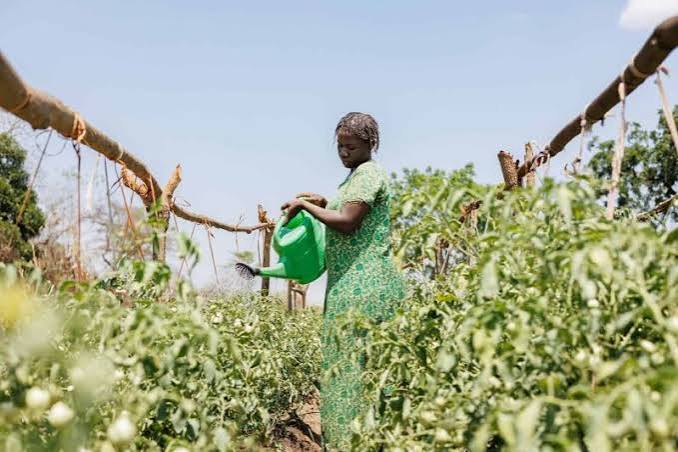
Higher international food prices could create mixed outcomes for farmers. Producers of commodities experiencing strong price increases may benefit from improved market returns, but higher costs for fertilizers, fuel, transportation and other agricultural inputs could reduce those gains.
For consumers, sustained increases in global commodity prices could add pressure to food inflation, particularly in countries that depend heavily on imports.
Despite the August increase, the FAO Food Price Index remains 16.8% below its record level reached in March 2022. However, the latest figures underline how vulnerable global food markets remain to climate change, geopolitical instability and disruptions in international trade.


 By
By