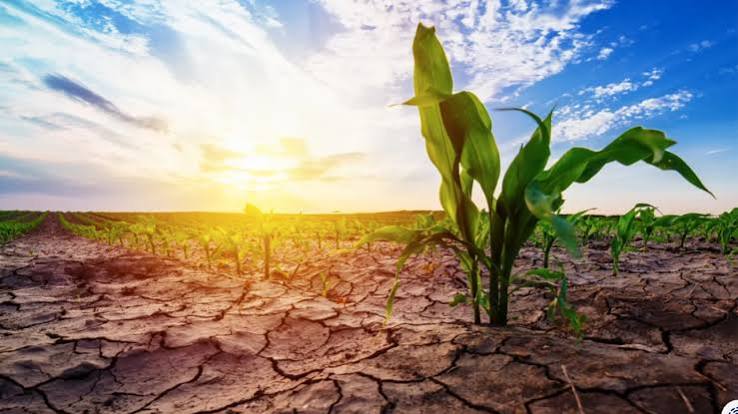
Climate-related risks are emerging as one of the biggest challenges for global agriculture, with extreme weather, changing rainfall patterns and rising temperatures creating uncertainty for farmers across major food-producing regions. The strengthening influence of El Niño is adding another layer of risk, potentially affecting rainfall and temperatures across several agricultural regions.
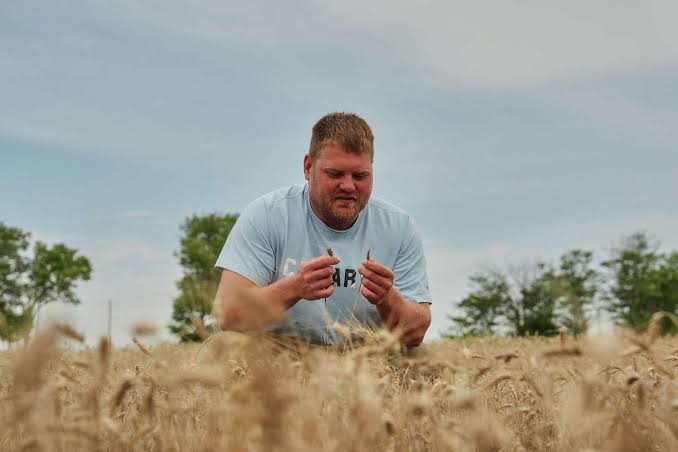
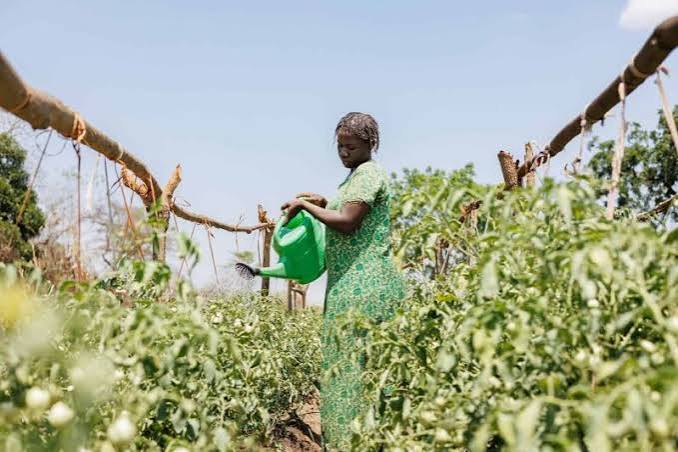
For farmers, the concern is not limited to one crop or one country. Weather conditions influence everything from seed germination and crop growth to irrigation requirements, pest outbreaks and final yields. A prolonged dry spell can reduce water availability, while excessive rainfall can cause flooding, soil erosion and crop losses.
India Faces Weather-Related Agricultural Risks
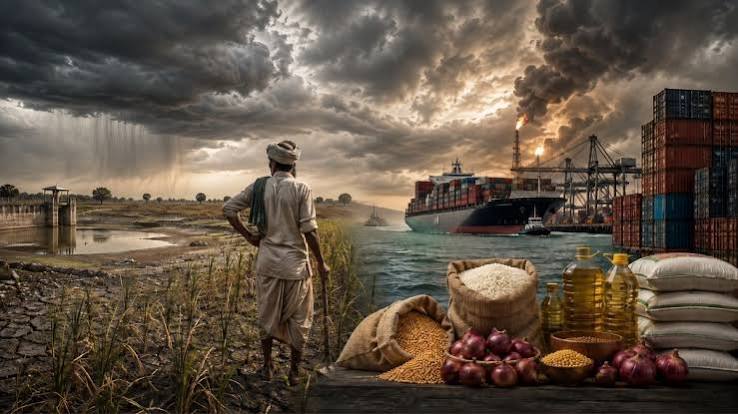
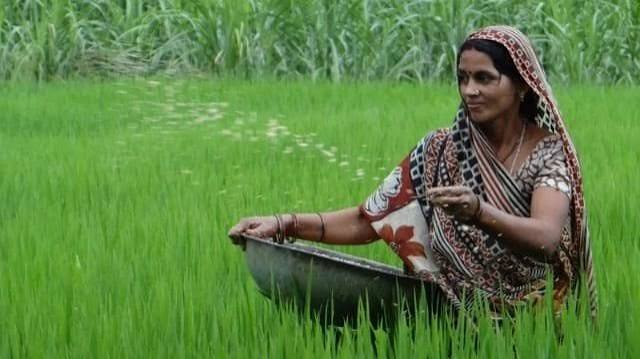
India’s agriculture remains highly dependent on the monsoon, making changes in rainfall patterns particularly important for farmers. Irregular rainfall, prolonged dry periods and episodes of intense precipitation can create difficulties for both rainfed and irrigated agriculture.
High temperatures can also affect crop development, particularly during sensitive stages such as flowering and grain filling. Crops including wheat, rice, maize, pulses and oilseeds can experience productivity losses when temperatures move beyond optimal ranges.
For Indian farmers, improving irrigation efficiency, adopting climate-resilient crop varieties, diversifying cropping systems and using weather-based agricultural advisories could become increasingly important tools for managing climate risks.
Europe Watches Heat and Rainfall Patterns
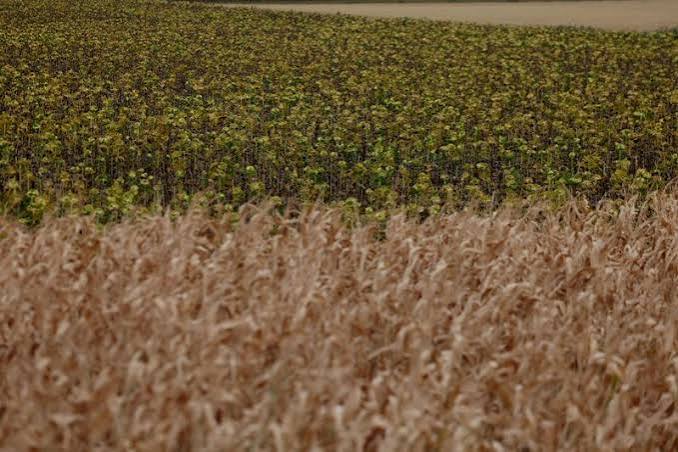
Agriculture in Europe is also facing increasing weather uncertainty. Heatwaves and periods of insufficient rainfall can place pressure on cereals, oilseeds, fruits and vegetables, while excessive rainfall can delay planting and harvesting.
Weather volatility can also affect livestock production by increasing heat stress and placing additional pressure on water and feed resources.
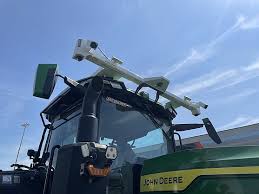
European farmers are therefore increasingly exploring drought-tolerant varieties, improved soil management, water conservation and precision agriculture to strengthen resilience.
Asia Faces Multiple Challenges
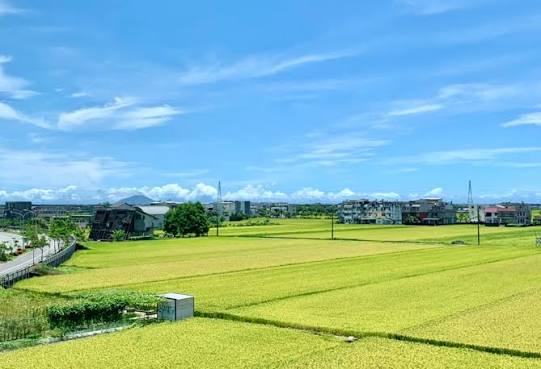
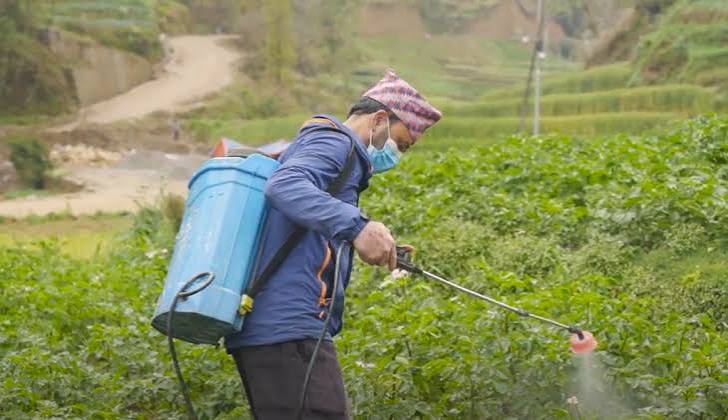
Across parts of Asia, climate risks are similarly affecting agricultural planning. Changes in the timing and intensity of rainfall can make planting decisions more difficult, while extreme heat can increase crop water requirements.
Countries that depend heavily on seasonal rainfall may face particularly significant challenges if climate patterns become more unpredictable. At the same time, flooding and tropical storms can cause sudden losses of crops, livestock and agricultural infrastructure.
El Niño Adds More Uncertainty
The developing El Niño pattern is an additional concern for global agriculture because it can alter temperature and precipitation patterns in different parts of the world. Its impacts are not uniform, meaning some regions may experience drier conditions while others could face increased rainfall.
This uncertainty makes agricultural forecasting and early-warning systems increasingly important. Governments, researchers and farmers are relying more heavily on weather monitoring, satellite data, climate models and digital advisory platforms to anticipate risks.
Building Climate-Resilient Agriculture
The growing frequency and intensity of extreme weather events are strengthening the case for climate-resilient farming. Measures such as efficient irrigation, soil-moisture conservation, crop diversification, integrated pest management, climate-smart seeds and better agricultural insurance can help farmers manage weather-related risks.
The challenge ahead is to maintain food production while using natural resources more efficiently. As climate variability increases, agriculture will need to become more flexible and resilient.
From India and Europe to Asia and other major agricultural regions, climate risk is no longer a distant concern—it is becoming a central factor shaping crop production, food prices and global food security


 By
By