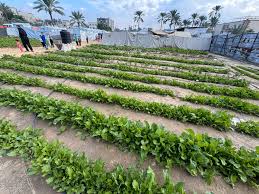
Farmers and agricultural communities in Gaza are working to rebuild a small seed bank containing traditional crop varieties, following the destruction of a larger collection. The effort is focused on preserving locally adapted seeds and maintaining the resilience of agriculture under extremely difficult farming conditions.
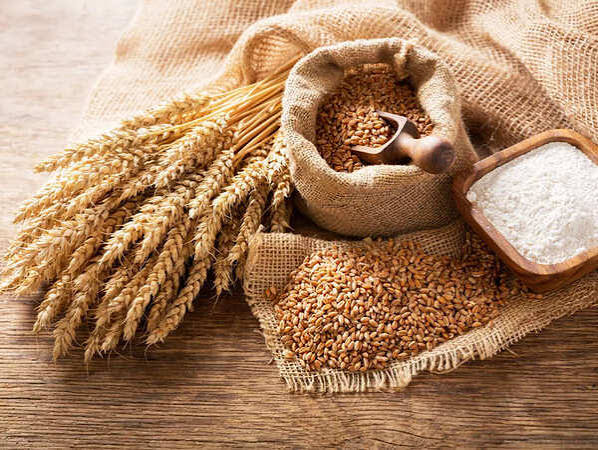
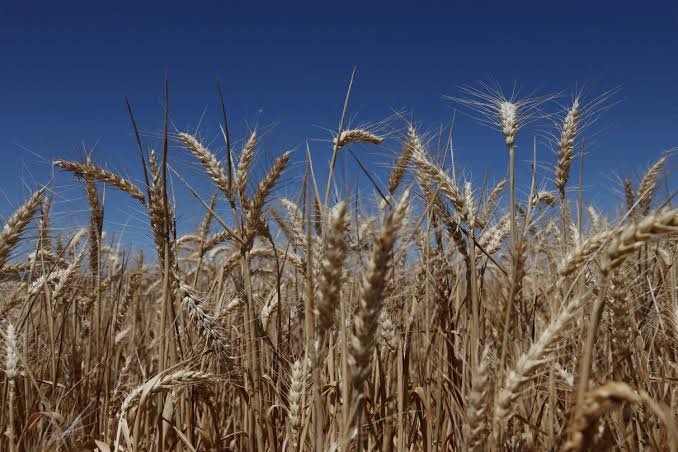
Traditional seeds can hold considerable value for farming communities because they are often adapted to local soil, climate and growing conditions. Preserving these varieties can help farmers maintain access to planting material even when commercial seeds or agricultural supplies become difficult to obtain.
Protecting Local Crop Diversity
The rebuilding initiative is not simply about storing seeds. It is also an effort to protect agricultural biodiversity and retain varieties that have been cultivated by local farming communities over generations.
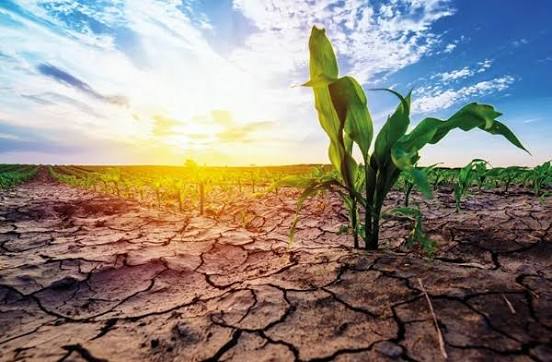
Locally adapted crops may possess characteristics that are valuable under challenging environmental conditions, including tolerance to heat, limited water availability or particular soil conditions. Maintaining genetic diversity can provide farmers with more options when weather conditions and agricultural circumstances change.
Seed banks can play an important role in this process by carefully collecting, storing and reproducing varieties that might otherwise disappear.
Agriculture Under Severe Restrictions
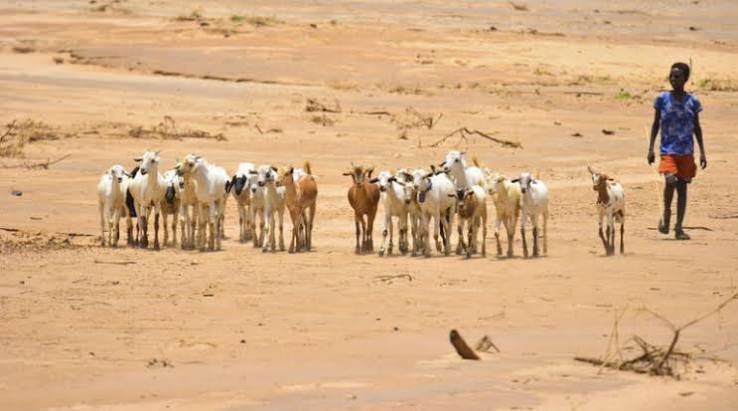
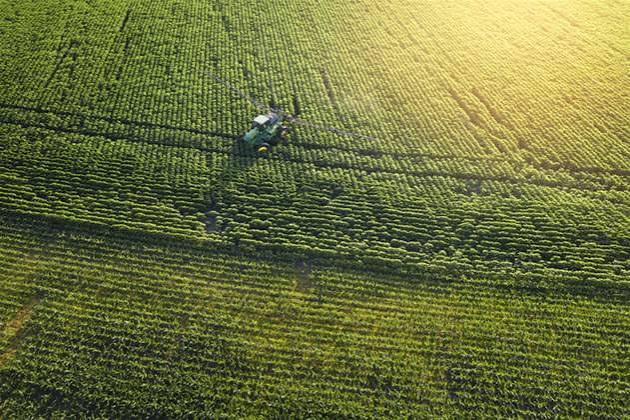
Farmers in Gaza face major challenges in maintaining agricultural production. Restrictions affecting farmland, water, agricultural inputs and movement can make ordinary farming activities considerably more difficult.
Access to seeds, fertilizers, pesticides, machinery and other essential inputs can be limited, increasing the importance of locally available agricultural resources.
Under such circumstances, traditional seed varieties can become particularly valuable. Farmers may be able to reproduce seeds locally rather than depending entirely on external supplies.
A Small Collection With a Larger Purpose
Although the rebuilt seed bank remains relatively small, its significance extends beyond the number of varieties it contains. Each preserved seed can represent part of the region’s agricultural heritage and provide genetic material for future cultivation.
Maintaining such collections also helps protect farmers from the permanent loss of varieties following conflict, environmental disasters or disruptions to agricultural systems.
Seed preservation organizations and agricultural researchers around the world have long emphasized the importance of maintaining crop diversity. A wide genetic base can help agriculture adapt to changing climates, emerging pests and diseases, and evolving production conditions.
Supporting Future Food Production
For Gaza’s farming communities, rebuilding a local seed resource could contribute to longer-term agricultural resilience. Farmers with access to locally adapted planting material may have greater flexibility when commercial supply chains are disrupted.
The initiative also demonstrates the role that farmers themselves can play in conserving agricultural biodiversity. Instead of relying exclusively on centralized collections, communities can preserve and exchange seeds at the local level.
Agriculture as a Symbol of Resilience
The rebuilding of the seed bank highlights the connection between seeds, food security and cultural heritage. In difficult circumstances, maintaining access to traditional crops can help communities preserve knowledge and retain the ability to produce food locally.
While a small seed bank cannot resolve the broader challenges facing Gaza’s agricultural sector, it can serve as an important foundation for preserving crop diversity and supporting future farming.
The initiative ultimately reflects a broader principle of sustainable agriculture: protecting seeds today can help preserve farming possibilities for future generations.

 By
By