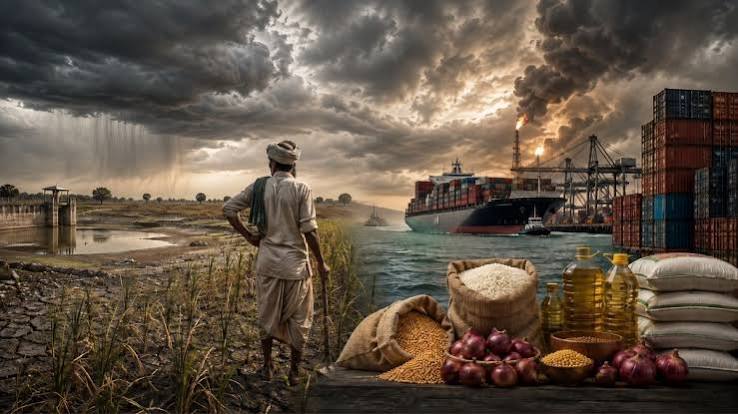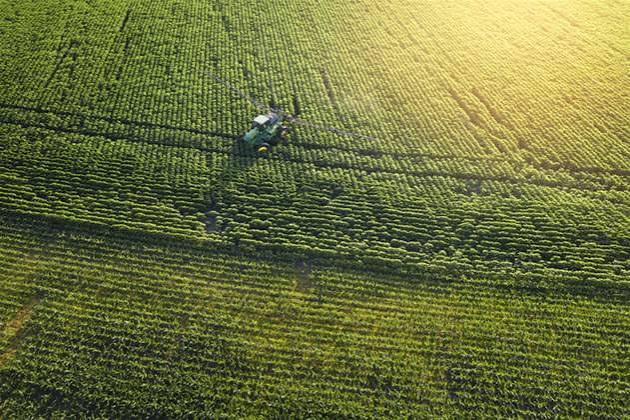
Global agriculture is entering a period of heightened uncertainty as the developing 2026 El Niño emerges as a major weather risk for farmers, livestock producers and food markets around the world. According to analysis from the Food and Agriculture Organization of the United Nations (FAO), the climate phenomenon could produce significant differences in rainfall and temperatures across regions, creating challenging conditions for agricultural production.
El Niño is a recurring climate pattern linked to warmer-than-normal sea surface temperatures in the central and eastern tropical Pacific Ocean. Although its effects vary by region, the phenomenon can influence rainfall patterns, temperatures and extreme-weather conditions far beyond the Pacific.
Uneven Weather Could Create Regional Crop Risks
One of the biggest challenges associated with El Niño is that its agricultural impact is unlikely to be uniform. Some regions may experience unusually dry conditions, while others could receive excessive rainfall.
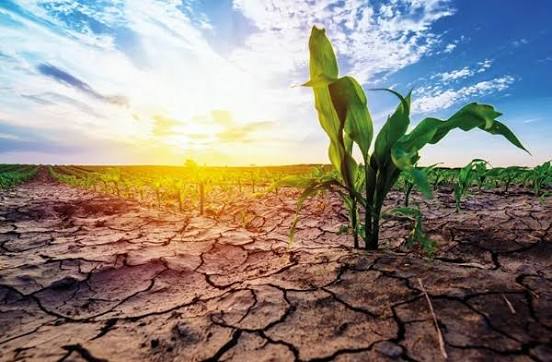
For farmers in drought-prone areas, below-normal precipitation can reduce soil moisture and limit water availability for irrigation. Crops may face stress during critical growth stages, potentially lowering yields. Water shortages can also affect livestock by reducing access to drinking water, pasture and animal feed.
In other areas, El Niño-related changes may increase rainfall and the risk of flooding. Excessive moisture can damage standing crops, delay planting and harvesting, erode soil and create favourable conditions for certain crop diseases.
Livestock Sector Also Faces Pressure
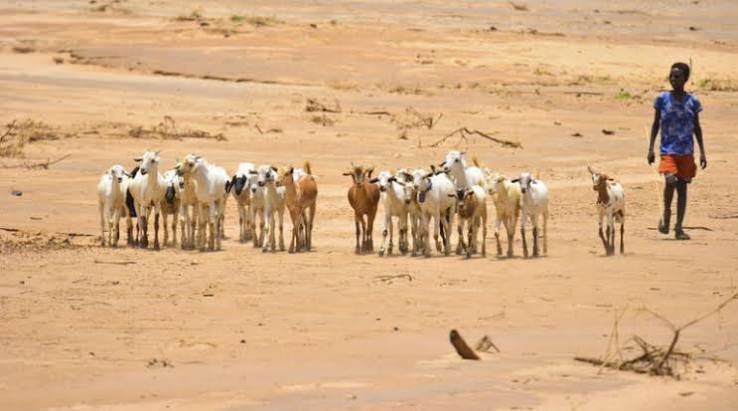
The potential impact extends beyond crop production. Livestock producers depend on reliable supplies of water and fodder, both of which can be affected by unusual weather.
Extended heat and drought can reduce pasture quality and increase demand for supplemental feed. At the same time, extreme temperatures can place additional physiological stress on animals, potentially affecting productivity and farm economics.
Where excessive rainfall occurs, muddy conditions, damaged grazing areas and disruptions to transport can create different challenges for livestock operations.
Food Supply Chains Could Feel the Impact
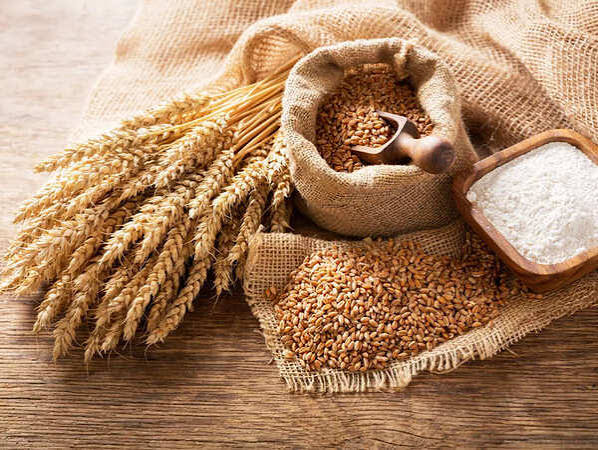
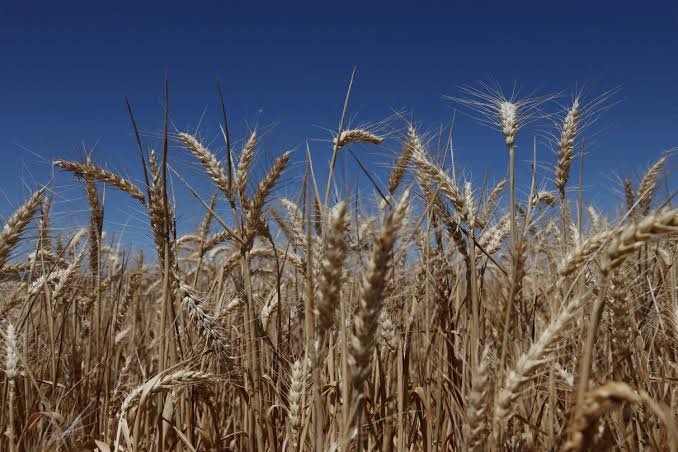
Changes in agricultural output can eventually affect commodity markets and food supply chains. If major producing regions experience significant crop losses, global availability of grains, oilseeds and other agricultural commodities could tighten.
Lower production in one region may increase demand for supplies from other exporting countries. This can influence international trade flows, freight requirements and commodity prices.
However, the final impact will depend on the strength and duration of the weather event, the geographic areas affected and how farmers adapt during the growing season.
Climate-Smart Agriculture Gains Importance
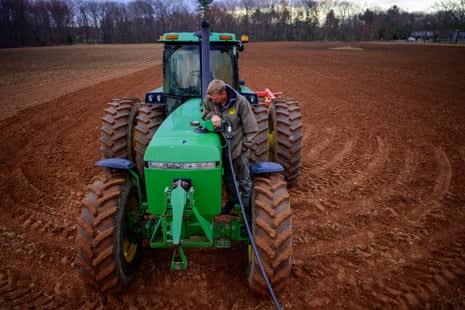
The potential risks associated with El Niño are increasing attention on climate-resilient farming practices. Farmers can use several strategies to reduce weather-related risks, including drought-tolerant crop varieties, improved irrigation efficiency, soil-moisture conservation, diversified cropping systems and better weather forecasting.
Early-warning systems can also help producers make decisions about planting dates, irrigation, livestock management and harvesting.
For governments and agricultural agencies, accurate climate information will be important for preparing emergency measures and supporting vulnerable farming communities.
Global Markets to Watch Weather Closely
The developing 2026 El Niño demonstrates how closely agriculture is connected to global climate patterns. With weather conditions capable of affecting crops and livestock across multiple regions simultaneously, farmers, traders and policymakers will be closely monitoring rainfall, temperatures and crop conditions.
While the exact agricultural impact remains dependent on regional weather developments, the possibility of significant production disruptions makes El Niño an important factor for global agriculture in 2026. Greater use of climate information, resilient farming practices and efficient water management could help producers navigate the uncertainty ahead.

 By
By