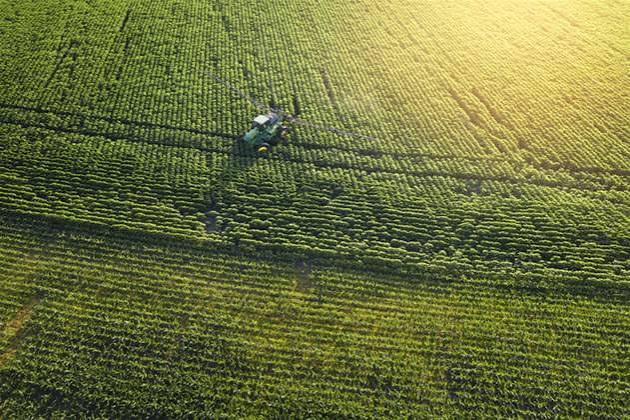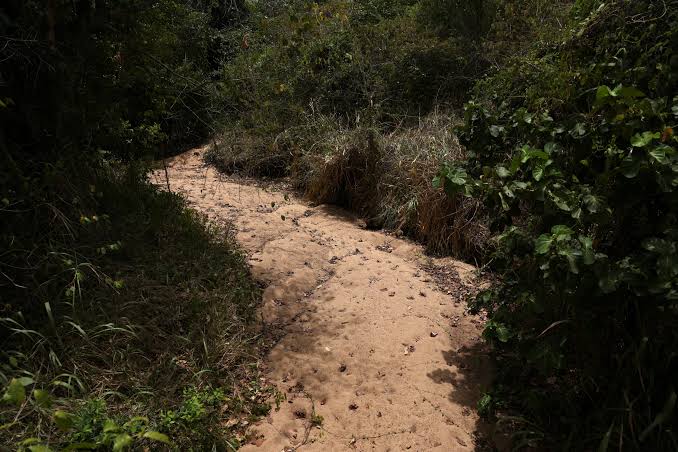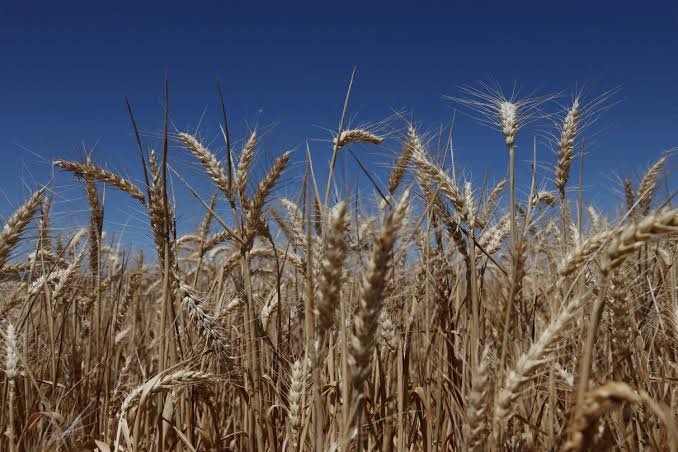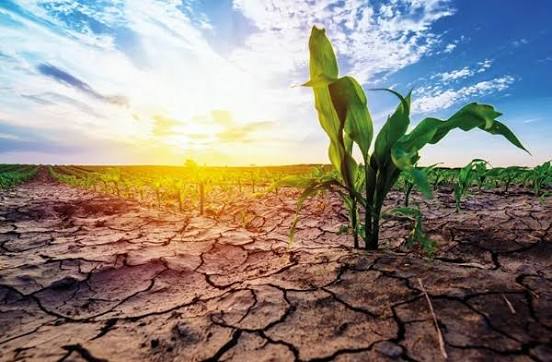
Europe’s maize sector is facing a difficult production season as extreme heat, prolonged drought and declining water availability affect crops across some of the European Union’s major maize-producing regions. Hungary and Romania are among the countries facing significant weather-related pressure, raising concerns about yields, farm incomes and regional grain supplies.
The European Commission has estimated the EU’s 2026 maize harvest at approximately 50.1 million tonnes, a level that would place production close to a two-decade low. The forecast highlights the growing impact that extreme weather conditions can have on one of Europe’s important feed and food crops.
Hungary Faces a Major Supply Challenge
Hungary is particularly exposed to the current conditions because maize is an important crop in the country’s agricultural economy. The country has traditionally produced enough maize to support domestic requirements while also supplying international markets.
However, severe heat and insufficient rainfall have damaged crop prospects in several growing areas. Water shortages are adding another layer of difficulty, particularly where farmers depend on irrigation to protect crops during critical growth stages.
If domestic production falls substantially, Hungary could potentially shift from being a regular exporter to an importer of maize. Such a change would represent a significant development for the country’s grain trade and could increase its dependence on supplies from other European or international markets.
Romania Also Under Weather Stress
Romanian maize growers are facing similar challenges. High temperatures combined with limited rainfall have increased moisture stress in fields, affecting crop development and raising concerns over final yields.
The situation is particularly challenging when dry conditions continue through periods when maize requires adequate soil moisture. Farmers without reliable irrigation facilities have fewer options to protect their crops from extreme weather.
Lower production in both Hungary and Romania could influence the wider European maize market because the two countries are important producers within the region.
Potential Impact on Feed and Food Markets
Maize is widely used across Europe for livestock feed, food processing, biofuel production and other industrial applications. A significant reduction in production could therefore have consequences beyond the farm sector.
If domestic supplies tighten, feed manufacturers and livestock producers could face higher procurement costs. Grain traders may also need to increase imports from alternative origins to compensate for lower European availability.
The potential decline in production comes at a time when European agriculture is already adapting to increasingly unpredictable weather patterns. Heatwaves, droughts and water shortages are becoming important factors in crop planning and farm management.
Climate Resilience Becomes a Priority
The situation is likely to strengthen discussions around climate-resilient agriculture across Europe. Farmers may increasingly consider drought-tolerant maize varieties, improved irrigation systems, better soil-moisture management and farming practices designed to conserve water.
Investment in efficient irrigation infrastructure could become particularly important in areas where groundwater and surface-water resources are under pressure.
The projected 50.1-million-tonne EU maize harvest demonstrates how strongly weather conditions can influence agricultural output. For Hungary, the possibility of moving from maize exporter to importer underlines the seriousness of the current production challenge.
As the 2026 harvest progresses, market participants will closely monitor rainfall, temperatures, crop conditions and import requirements. Further weather deterioration could tighten supplies, while improved rainfall and favourable conditions could limit some of the expected losses.

 By
By