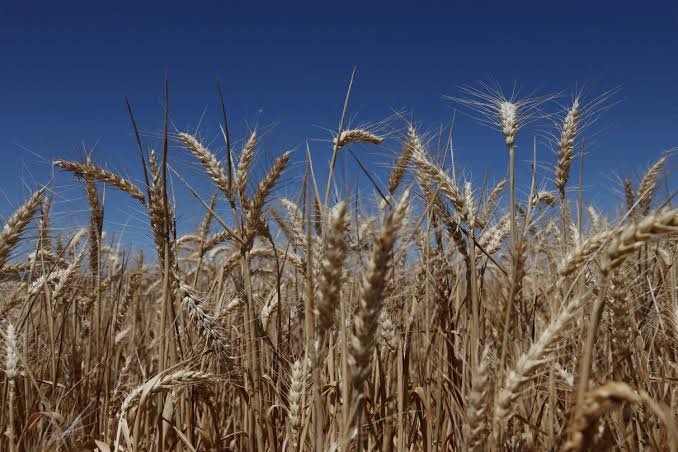
Global food markets are facing renewed uncertainty as the FAO Food Price Index reached 131.1 points in July, its highest level since January 2023. The increase highlights growing pressure across international food and agricultural markets, with weather disruptions and geopolitical developments creating additional risks for production, transportation and trade.
The Food Price Index, monitored by the Food and Agriculture Organization of the United Nations (FAO), tracks international price trends for a basket of major food commodities. Movements in the index are closely watched by governments, traders, food companies and consumers because they provide an indication of broader changes in global food markets.
Weather Disruptions Threaten Agricultural Supplies
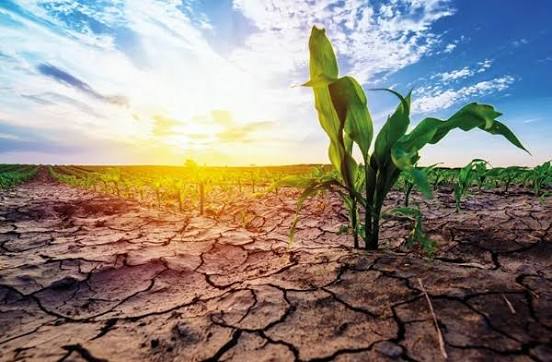
Unpredictable weather has become an important factor influencing agricultural commodity prices. Drought, excessive heat, flooding and other extreme conditions can reduce crop production and disrupt harvesting operations.
When agricultural output falls in a major producing region, global supplies can become tighter. Importing countries may then compete for available supplies, potentially pushing international prices higher.
Weather-related disruptions can also affect livestock production. Shortages of feed crops, pasture or water may increase production expenses for livestock farmers, while extreme temperatures can affect animal productivity.
Geopolitical Risks Affect Trade Routes
Agricultural markets are also vulnerable to geopolitical disruptions. Conflicts and tensions can interfere with shipping routes, port operations, transportation networks and international trade.
Many countries depend on imports of grains, vegetable oils, sugar and other agricultural commodities. Disruptions along major trade corridors can increase freight costs and extend delivery times, adding expenses throughout the food supply chain.
Even when adequate food supplies exist globally, difficulties in moving commodities from exporting countries to importing markets can contribute to regional price increases.
Farmers and Consumers Face Different Challenges
Higher international food prices can have mixed effects across the agricultural sector. Farmers may benefit from stronger commodity prices if the increase is reflected in the prices they receive for their produce. However, higher costs for fuel, fertilizer, machinery, transportation and other inputs can reduce those gains.
For consumers, sustained increases in food commodity prices can contribute to higher retail food costs. Low-income households are often particularly vulnerable because food represents a larger share of their household expenditure.
Food manufacturers and retailers must also manage higher raw-material and logistics costs, creating difficult decisions over pricing and margins.
Supply Chain Resilience Becomes More Important
The latest movement in the FAO Food Price Index highlights the importance of strengthening agricultural supply chains. Governments and businesses are increasingly looking at ways to reduce exposure to individual suppliers, improve storage capacity and diversify import sources.
Investment in climate-resilient agriculture could also help reduce the impact of extreme weather. Better irrigation systems, improved crop varieties, soil-management practices and accurate weather forecasting can support farmers in managing production risks.
Global Markets Remain Vulnerable
The rise of the FAO Food Price Index to 131.1 points demonstrates how quickly international food markets can respond to changes in weather and global trade conditions.
Going forward, crop production, energy prices, freight costs, geopolitical developments and weather patterns will remain important factors for food markets. Continued volatility could make planning more difficult for farmers, food companies and governments.
For the global agricultural sector, building resilient production and trade systems will be essential to maintaining stable food supplies and limiting the impact of future disruptions on farmers and consumers.

 By
By