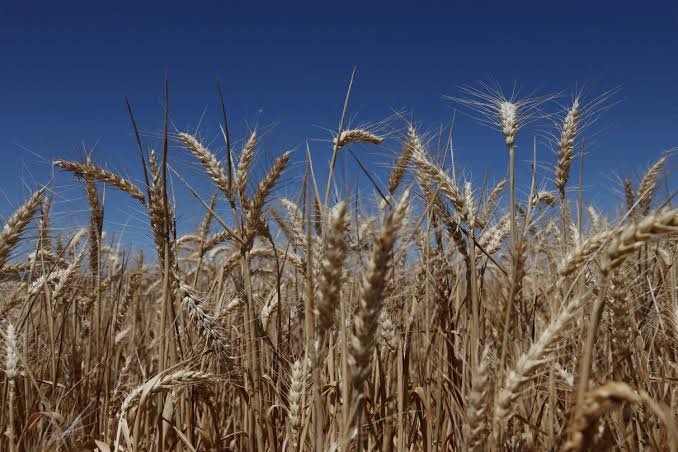
Asian wheat importers are increasingly looking beyond traditional suppliers as disruptions in Black Sea shipments create uncertainty in the international grain market. Recent buying activity indicates that importers in Asia have secured at least 500,000 metric tonnes of wheat from Australia and Argentina, highlighting a growing shift toward alternative sources.
The purchasing activity comes at a time when supply conditions in the Black Sea region remain a major concern for global grain traders. Russia and Ukraine have traditionally played an important role in supplying wheat to international markets, particularly to buyers across Asia, the Middle East and Africa. Any disruption to shipments from the region can quickly influence freight costs, availability and purchasing decisions.
Australia and Argentina Gain Attention
The latest purchases underline the increasing competitiveness of Southern Hemisphere wheat exporters. Australia has established itself as a major supplier to Asian markets because of its geographical proximity to several importing countries, relatively efficient shipping routes and large production capacity.
Argentina, meanwhile, is strengthening its position as another important source of wheat for international buyers. Although transportation distances to Asian destinations can be longer compared with Australian shipments, competitive prices and export availability can make Argentine wheat attractive when buyers are looking to diversify their supply portfolios.
The reported purchases of around half a million tonnes suggest that Asian importers are actively responding to changing market conditions rather than relying heavily on a single geographic supply region.
Black Sea Disruptions Reshape Buying Strategies
The Black Sea remains one of the world’s most important wheat-producing and exporting regions. Market disruptions involving logistics, shipping routes, geopolitical tensions or export availability can create uncertainty for international buyers.
For Asian importers, diversification provides a way to reduce exposure to unexpected supply interruptions. By purchasing wheat from different origins, trading companies and flour millers can spread supply risks and potentially improve their ability to manage price volatility.
This approach could become increasingly important if uncertainty surrounding Black Sea exports continues. Importers may compare wheat prices, quality specifications, freight rates and delivery schedules across multiple origins before finalising contracts.
Implications for Global Wheat Trade
The increased interest in Australian and Argentine wheat could have broader implications for international grain markets. Stronger demand from Asia may support export flows from the Southern Hemisphere and increase competition among major wheat suppliers.
For Australia, stronger Asian demand could reinforce its role as a reliable supplier to markets across the region. Countries located relatively close to Australia may find its wheat particularly attractive because shorter shipping distances can provide logistical advantages.
Argentina could also benefit if Asian buyers continue searching for competitively priced wheat outside the Black Sea region. Greater diversification of export destinations could provide Argentine suppliers with additional opportunities in the global market.
Buyers Focus on Supply Security
The recent purchasing activity reflects a broader trend in agricultural commodity markets: food security and supply reliability are becoming increasingly important alongside price.
Asian wheat buyers are likely to continue monitoring developments in the Black Sea while assessing supplies from Australia, Argentina and other major exporting nations. If supply disruptions persist, alternative origins could capture a larger share of Asian wheat demand.
The reported 500,000-tonne purchases therefore represent more than a single round of transactions. They signal how global wheat trade is adapting to supply uncertainty, with Asian importers seeking greater flexibility and Southern Hemisphere exporters gaining an opportunity to expand their presence in key markets.
As international wheat trade continues to adjust, competition among suppliers is expected to remain strong, with prices, freight costs, crop output and geopolitical developments all influencing where Asian buyers source their future wheat requirements.


 By
By