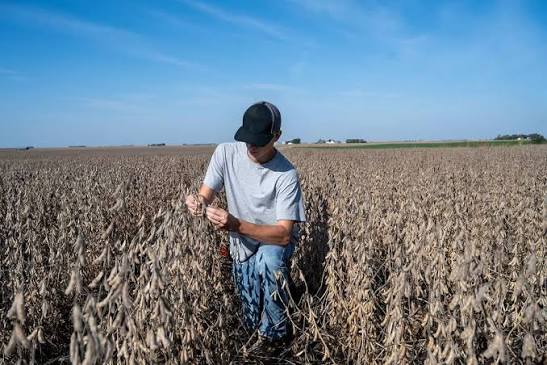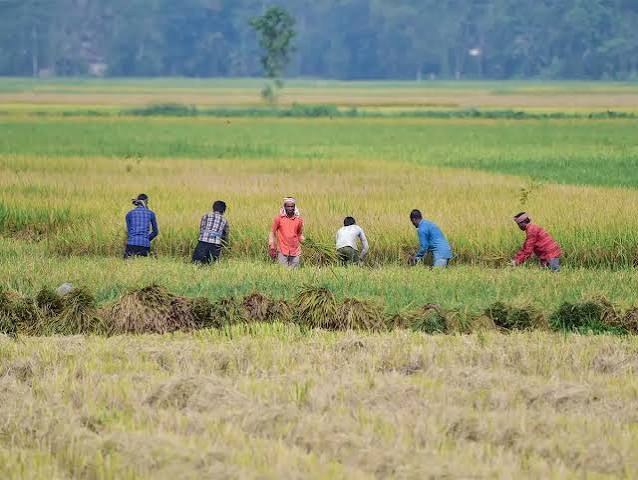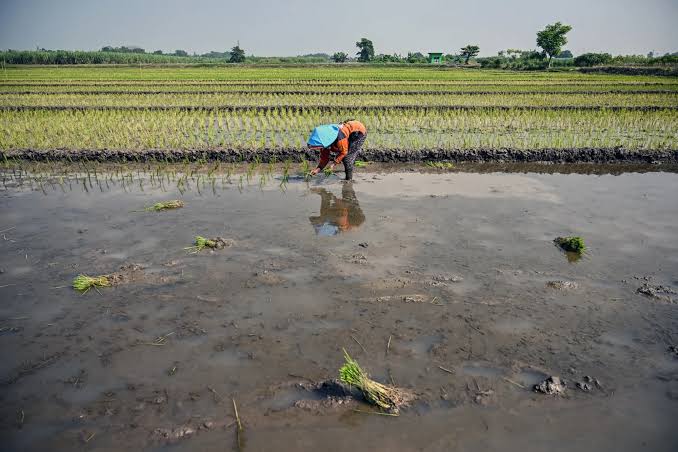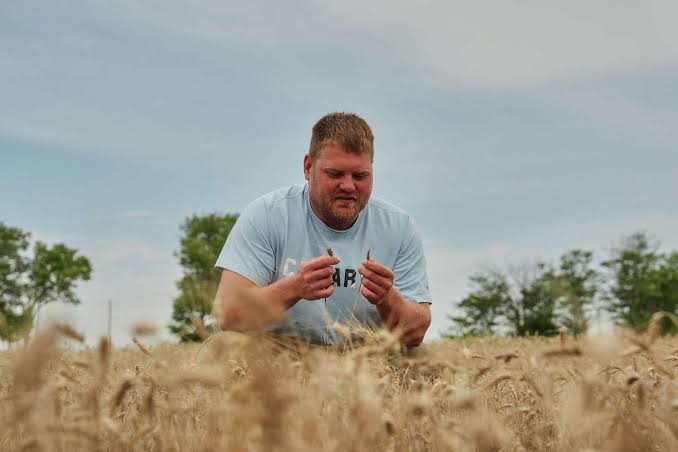
A new study has raised serious concerns about the health risks faced by agricultural workers worldwide, estimating that hundreds of millions of farmers experience unintentional acute pesticide poisoning every year. The findings highlight the urgent need for safer pesticide use, stronger farmer education and better access to protective equipment in agricultural communities.
Pesticides play an important role in protecting crops from insects, weeds, fungi and other threats. However, improper handling, inadequate protective clothing, unsafe storage and incorrect application can expose farmers to potentially harmful chemicals.
Farmers Among the Most Exposed
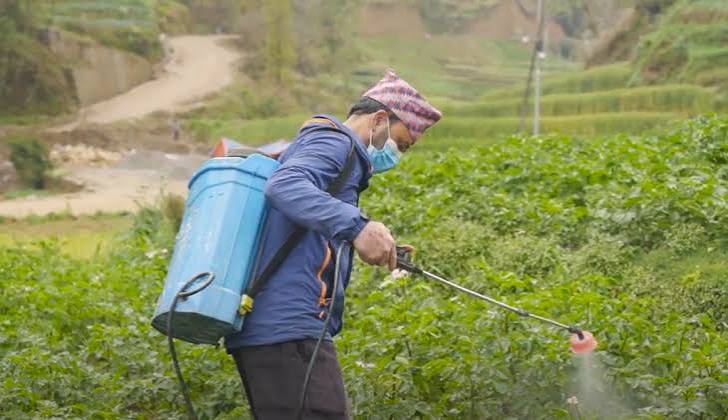
Farmers and agricultural workers can come into contact with pesticides during mixing, loading, spraying and cleaning farm equipment. Exposure can also occur when workers enter treated fields too soon or handle contaminated plants and equipment.
Acute pesticide poisoning can produce symptoms such as headache, dizziness, nausea, vomiting, skin or eye irritation and breathing difficulties. The severity depends on the pesticide involved, the amount of exposure and the route through which the chemical enters the body.
The scale of the estimated exposure is particularly concerning because many incidents occur in rural areas where access to healthcare and occupational safety services may be limited.
Unsafe Practices Increase the Risk
Experts have repeatedly emphasized the importance of following pesticide labels and using appropriate protective measures. Farmers should avoid handling pesticides with bare hands and should use suitable gloves, protective clothing, footwear, eye protection and respiratory protection when required by the product label.
Correct mixing and application procedures are equally important. Using more pesticide than recommended does not necessarily provide better crop protection and can increase risks to farmers, consumers and the environment.
Safe storage is another critical issue. Pesticides should be kept in their original, clearly labelled containers and stored away from food, animal feed, children and unauthorized users.
Training Can Make a Difference
Farmer education is considered one of the most effective ways to reduce accidental exposure. Training programmes can teach farmers how to select appropriate products, calculate application rates, use spraying equipment safely and recognize early signs of poisoning.
Better access to integrated pest management (IPM) can also reduce unnecessary pesticide use. IPM combines monitoring, biological controls, cultural practices and targeted chemical applications rather than relying solely on pesticides.
Need for Stronger Farmer Protection
The findings underline the importance of treating pesticide safety as an essential part of agricultural policy and rural healthcare.
Governments, agricultural extension agencies, manufacturers and farmer organizations can contribute by expanding safety training, improving access to protective equipment and strengthening monitoring of pesticide exposure.
There is also a growing need to promote safer alternatives, biological pest-control methods and precision application technologies that can reduce unnecessary chemical exposure while maintaining crop protection.
Protecting Farmers Is Essential for Food Security
Farmers are responsible for producing much of the world’s food, yet millions work in environments where occupational risks can be significant. Protecting their health is therefore not only a public-health priority but also an important component of sustainable food production.
The new findings serve as a reminder that pesticide safety must go hand in hand with agricultural productivity. Greater awareness, responsible chemical use, effective regulation and improved access to protective measures can help reduce preventable pesticide exposure and create safer working conditions for farmers around the world.


 By
By