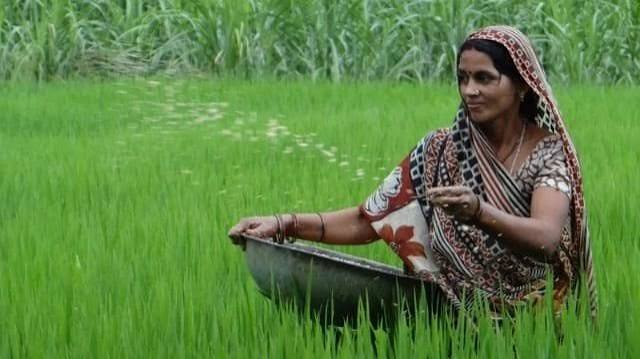
Regenerative agriculture is gaining momentum worldwide as farmers, researchers and policymakers look for ways to rebuild soil health, improve farm resilience and reduce dependence on synthetic agricultural inputs. The approach is increasingly being viewed as a pathway toward more sustainable and climate-resilient food production.
Unlike conventional farming systems that often focus primarily on maximizing short-term yields, regenerative agriculture places greater emphasis on restoring the health and biological activity of agricultural soils. Healthy soils can improve water retention, nutrient cycling and root development, while supporting beneficial microorganisms and other organisms essential to productive farming.
Focus on Soil Health
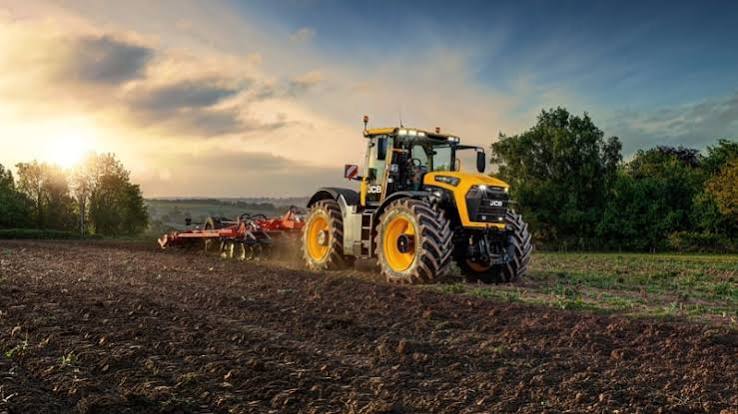
At the heart of regenerative agriculture is the idea that soil should be treated as a living ecosystem rather than simply a growing medium. Farmers adopting regenerative practices may use cover crops, crop rotation, reduced or minimum tillage, compost, organic matter management and diversified cropping systems.
Cover crops, for example, can protect soil from erosion and help maintain soil structure between major cropping seasons. Crop diversification can also improve nutrient cycling and create habitats for beneficial insects and soil organisms.
These practices can gradually increase soil organic matter and improve the soil’s ability to hold water and nutrients, potentially making farms more resilient during periods of drought or heavy rainfall.
Reducing Dependence on Chemical Inputs
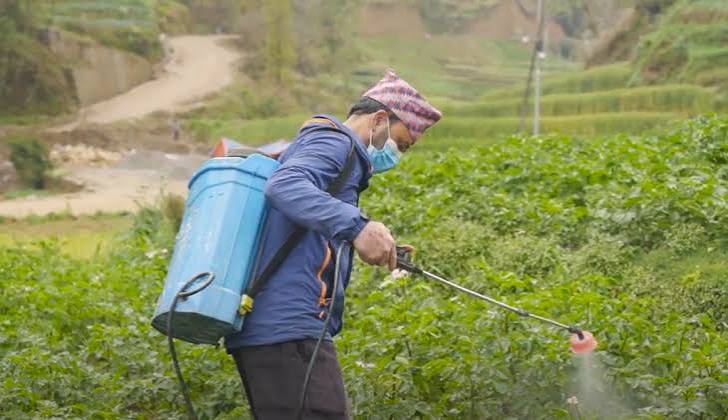
Another major reason for the growing interest in regenerative agriculture is the possibility of reducing dependence on chemical fertilizers, insecticides and pesticides.
Rather than relying exclusively on external inputs, regenerative systems seek to strengthen natural processes within the farm ecosystem. Improved soil biology, crop diversity and integrated pest-management approaches can help farmers manage nutrients and pests more efficiently.
However, experts caution that regenerative agriculture is not a single standardized farming system. Practices need to be adapted to local soil conditions, climate, crops and farm economics. In some situations, conventional inputs may still be necessary, particularly during the transition period.
Potential Climate Benefits
Regenerative agriculture has also attracted attention because of its potential contribution to climate action. Healthier soils can store more organic carbon, while practices such as reduced tillage and improved nutrient management can potentially lower certain agricultural emissions.
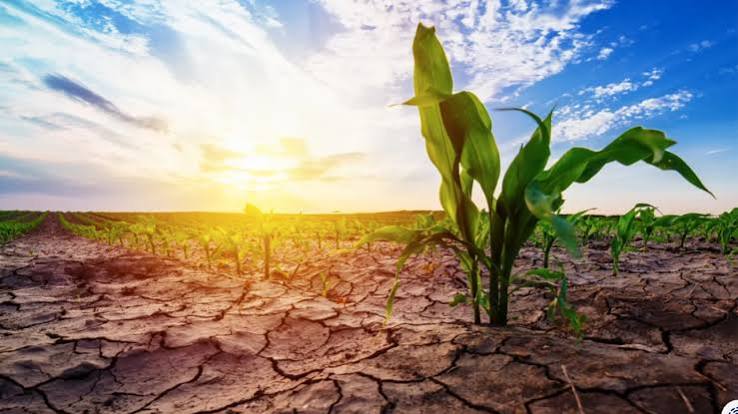
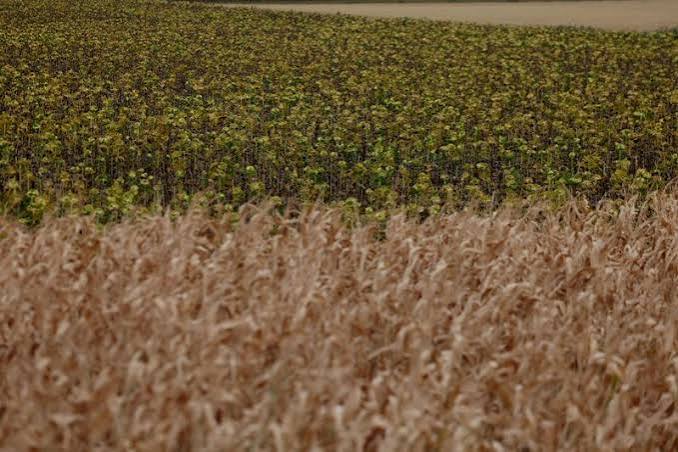
The approach may also help farmers adapt to climate change. Soils with better structure and higher organic matter can generally retain more moisture, which can be valuable during dry periods, while improved soil structure can reduce erosion and runoff during intense rainfall.
Challenges Remain
Despite its growing popularity, regenerative agriculture faces several challenges. Farmers may need to invest time and money before improvements in soil health translate into measurable economic benefits. Knowledge, access to suitable machinery, availability of organic inputs and reliable markets for sustainably produced crops can also influence adoption.
There is also increasing discussion about the need for clear measurement and verification standards so that claims about soil health, carbon storage and environmental benefits can be accurately assessed.
A Growing Global Movement
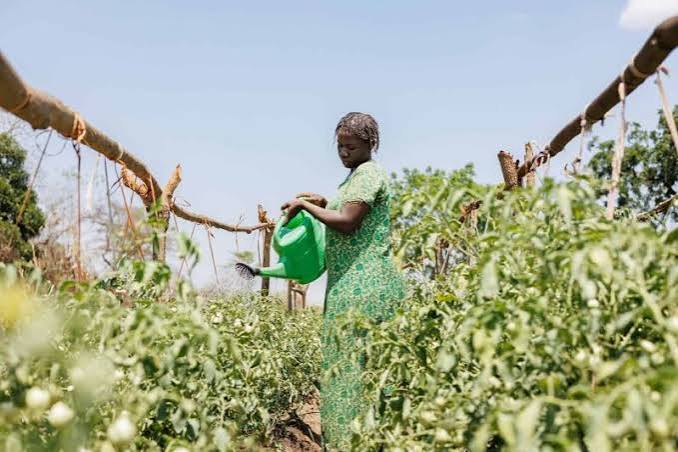
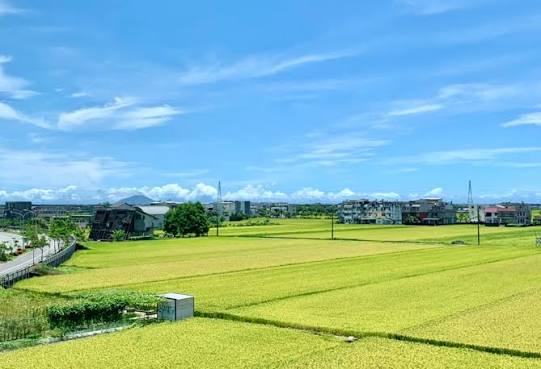
From North America and Europe to Asia, Africa and Australia, regenerative agriculture is becoming part of a broader conversation about the future of food production.
Its growing appeal lies in a simple principle: productive agriculture depends on healthy natural resources. By rebuilding soil health, improving biodiversity and using resources more efficiently, regenerative farming could help create agricultural systems that are productive today while remaining resilient for future generations.
As research, farmer experience and investment continue to grow, regenerative agriculture is likely to remain an important part of the global debate over sustainable farming, food security and climate-resilient agriculture.

 By
By