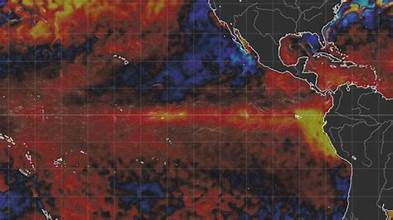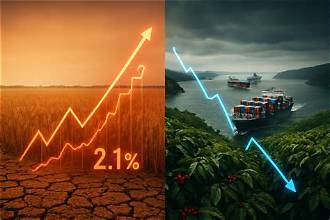
El Niño Threatens Asian Agriculture, Raising Concerns Over Global Food Security in 2026A potentially powerful El Niño event developing in 2026 is raising concerns about agricultural production, water availability and global food security, with several parts of Asia facing increased risks from drought, extreme heat and changing rainfall patterns. The developing climate phenomenon could create additional challenges for farmers, particularly in regions heavily dependent on seasonal rainfall for crop cultivation.
According to climate-related assessments reported in international media, the event could intensify toward December 2026, potentially affecting agricultural activities across Southeast Asia and other important food-producing regions. Its possible effects on rice cultivation, palm oil production, fisheries and agricultural supply chains are attracting growing attention from climate experts and food security observers.
Southeast Asia Faces Growing Agricultural Risks
Southeast Asia is particularly vulnerable to changes in rainfall and temperature because agriculture in several countries depends heavily on monsoon patterns and seasonal water availability.
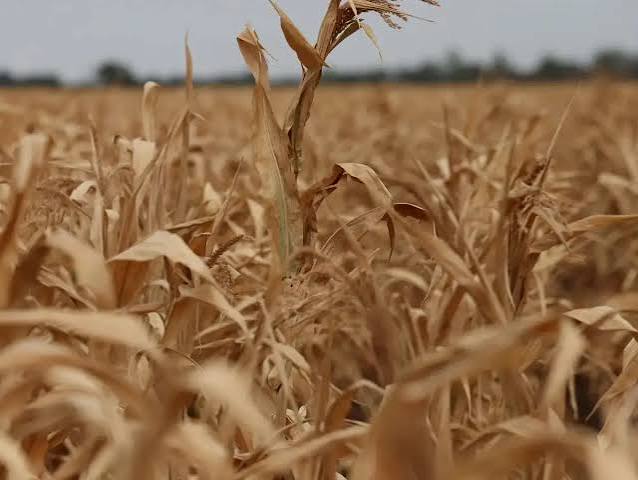
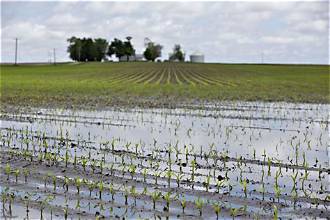
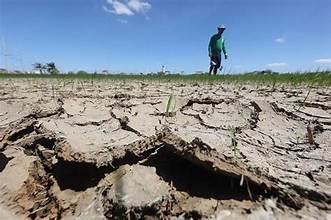
Rice, one of the region’s most important staple crops, could face production challenges if rainfall becomes irregular or prolonged dry conditions develop. Reduced water availability during critical crop growth stages may affect planting schedules, crop establishment and grain development.
Countries with extensive rice-growing areas could experience increased pressure on irrigation systems and water management infrastructure. Farmers may need to adjust sowing dates, select suitable crop varieties and adopt improved water conservation practices to reduce potential production losses.
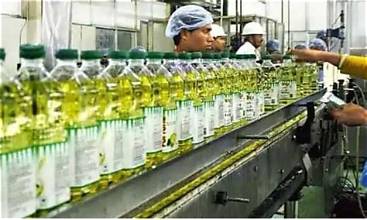
Palm oil production could also face challenges. Oil palm cultivation requires adequate moisture, and prolonged drought conditions may affect fruit development and yields. Any significant reduction in production could influence vegetable oil supplies and international agricultural commodity markets.
Fisheries and aquaculture are additional areas of concern. Higher water temperatures, changes in rainfall and declining water levels may affect aquatic ecosystems, fish populations and farming operations. These developments could create difficulties for fishing communities and businesses dependent on reliable aquatic resources.
Water Scarcity and Rising Input Costs Add Pressure
The potential El Niño event comes at a time when farmers in several regions are already managing challenges related to agricultural input costs, energy prices and climate variability.
Reduced rainfall and declining groundwater availability could increase dependence on irrigation, raising demand for electricity and diesel-powered pumps. Higher irrigation expenses could place additional financial pressure on small and marginal farmers.
Fertilizer production and distribution are also closely connected to energy markets. Any increase in energy and transportation costs could further raise agricultural production expenses, particularly in countries dependent on imported fertilizers and fuel.
If lower crop yields coincide with higher cultivation costs, farmers could face reduced profitability and greater uncertainty during the 2026–27 agricultural season.
Potential Implications for Global Food Prices
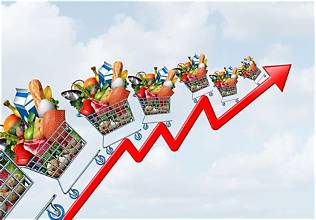
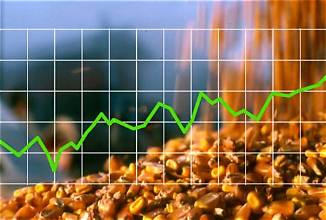
Agricultural production disruptions in major exporting regions can influence international commodity markets. Lower availability of rice, vegetable oils or other agricultural products could contribute to price volatility, depending on production levels, inventories, export policies and global demand.
However, the actual impact on food prices will depend on the intensity and geographical distribution of El Niño, as well as the ability of governments and agricultural supply chains to manage potential disruptions.
Adequate grain stocks, diversified sourcing, efficient irrigation and timely agricultural planning could help reduce the risks associated with extreme weather.
Preparedness and Climate-Resilient Agriculture
With the climate phenomenon potentially strengthening toward the end of 2026, timely weather advisories, efficient water management and access to climate-resilient crop varieties will remain important for agricultural communities.
Governments, agricultural research institutions and farming organizations can support preparedness through improved climate monitoring, contingency crop planning and farmer awareness programmes.
The coming months will be significant for assessing the actual intensity of El Niño and its consequences for agricultural production.
For farmers and policymakers, the priority will be to strengthen preparedness, protect available water resources and maintain stable food supplies amid increasing climate uncertainty.

 By
By