Russia is expanding its grain export logistics through Baltic and Arctic ports as disruptions to Black Sea shipping routes create challenges for agricultural shipments. The country is adapting existing fertilizer and coal terminals to handle grain cargo, aiming to diversify export channels and maintain access to international agricultural markets.
The reported developments at Ust-Luga, St. Petersburg and Murmansk highlight Russia’s efforts to reduce its dependence on traditional Black Sea export routes and strengthen the flexibility of its grain transportation network.
The move comes after Russian grain exports reportedly declined by 31% during July and August, increasing attention on alternative shipping infrastructure and the country’s ability to sustain grain deliveries to overseas buyers.
Baltic and Arctic Ports Gain Importance
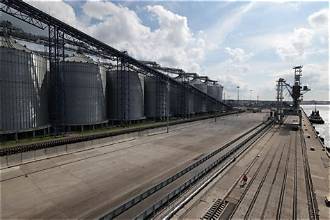
Russia is reportedly modifying selected port facilities originally designed to handle fertilizer and coal shipments so they can also accommodate grain exports.
Ust-Luga and St. Petersburg, located in the Baltic region, provide access to international shipping routes connecting Russian exporters with markets across Europe, Africa and other destinations, subject to applicable trade restrictions and commercial arrangements.
Murmansk, situated in the Arctic region, offers another potential outlet for agricultural cargo. Its strategic location provides access to northern maritime routes and could support diversification of Russia’s export infrastructure.
Converting existing terminals for grain handling may allow exporters to make use of established port infrastructure rather than relying exclusively on the development of entirely new facilities.
However, handling agricultural commodities requires suitable storage systems, grain-loading equipment, transport connections and measures to prevent contamination from other cargoes. The scale and speed of any expansion will therefore depend on infrastructure readiness and investment requirements.
Black Sea Disruptions Reshape Grain Logistics
The Black Sea has traditionally played a central role in Russia’s agricultural export operations, providing access to major international grain markets.
Disruptions affecting shipping through the region can create logistical uncertainty, increase transportation expenses and complicate delivery schedules for exporters and international buyers.
Russia’s efforts to develop alternative routes reflect the importance of maintaining reliable export channels, particularly during periods of geopolitical uncertainty and changing shipping conditions.
A greater reliance on Baltic and Arctic ports could also require adjustments in inland transportation. Grain produced in different agricultural regions must be transported efficiently to alternative ports, potentially increasing the importance of rail networks, storage facilities and coordinated cargo handling.
The economic viability of these routes will depend on freight costs, port capacity, seasonal conditions and access to suitable vessels.
Implications for Global Grain Markets
Russia is a major participant in international wheat trade, and changes in its export logistics can influence global grain availability, shipping patterns and commodity market expectations.
If alternative ports successfully handle larger grain volumes, they could provide exporters with additional flexibility and help reduce dependence on individual maritime corridors.
For international grain buyers, diversified export routes could support supply continuity. However, higher freight expenses or prolonged transportation delays could affect delivered grain prices and the competitiveness of Russian supplies.
Import-dependent countries will continue to monitor Russian export volumes, shipping costs and the availability of grain from other major suppliers.
Outlook for International Agricultural Trade
The reported port conversions represent a potential shift in Russia’s agricultural export strategy, with greater emphasis on diversified transportation infrastructure and alternative maritime access.
The extent of this transformation will depend on how quickly terminals can be adapted, whether sufficient shipping capacity is available and how trade conditions evolve in the Black Sea region.
For global agricultural markets, developments in Russia’s port infrastructure will remain an important factor in assessing grain trade flows and supply-chain resilience during the 2026–27 marketing season.


 By
By