Global food commodity prices increased in August 2026 as adverse weather conditions, geopolitical tensions and disruptions to international grain trade added pressure to agricultural supply chains. The latest reported figures from the Food and Agriculture Organization of the United Nations (FAO) indicate growing uncertainty surrounding global food availability and prices.
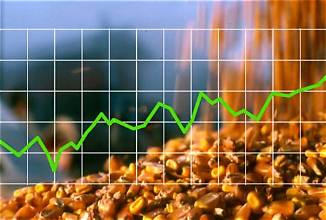
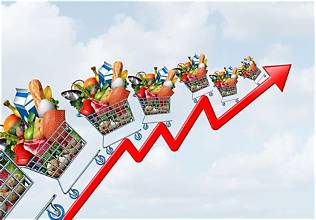
The FAO Food Price Index averaged 133.3 points in August, registering a 1.9% increase from July and standing 2.5% above its level in August 2025. The increase reflects changing conditions across international agricultural commodity markets, where production concerns and trade-related challenges are influencing prices.
The latest developments are drawing attention to the potential implications for farmers, food-importing countries, agricultural businesses and consumers during the 2026–27 marketing season.
FAO Food Price Index Records Monthly Increase
The FAO Food Price Index tracks monthly changes in international prices of a basket of globally traded food commodities, including cereals, vegetable oils, dairy products, meat and sugar.
The August increase indicates that international food commodity prices have moved upward compared with the previous month.
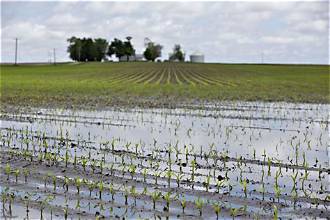
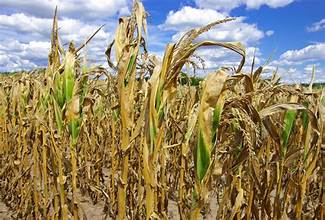
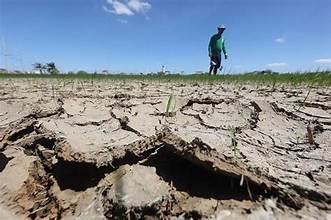
Adverse weather conditions in important agricultural producing regions are creating uncertainty about crop yields and production levels. Drought, excessive rainfall and changing seasonal weather patterns can affect harvesting, transportation and the availability of agricultural commodities.
At the same time, geopolitical tensions and disruptions to shipping routes are increasing uncertainty in international trade.
Higher transportation costs, delays in shipments and changes in export availability can influence commodity prices, particularly in countries that depend heavily on imported food and agricultural products.
Global Cereal Production Estimated at 2.98 Billion Tonnes
FAO estimates global cereal production at approximately 2.98 billion tonnes in 2026, representing a reported 2% decline compared with 2025.
A reduction in cereal output could tighten the balance between global supply and consumption, depending on demand levels and the availability of existing inventories.
Wheat, maize and rice are essential components of the global food system. These crops support human consumption, livestock production and several food-processing industries.
Lower cereal production in major agricultural regions could increase competition among importing countries and influence international grain prices.
However, the overall impact will depend on harvest results, stock availability, export policies and changes in global consumption.
Rice Production Faces Additional Uncertainty
Rice production is also expected to decline during the 2026–27 season, according to the information provided.
Rice is a staple food for billions of people, particularly across Asia, making production changes especially important for food security.
Weather-related challenges, irrigation requirements and changing water availability can influence rice cultivation and productivity.
A decline in rice output could create additional pressure on international rice markets, particularly if major exporting countries experience simultaneous production difficulties.
For importing nations, maintaining adequate supplies and diversifying procurement sources could become increasingly important.
Black Sea Disruptions and Geopolitical Tensions
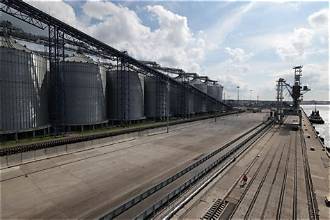
Disruptions affecting Black Sea trade routes continue to create uncertainty for international agricultural shipments.
The region plays an important role in global grain exports. Shipping interruptions and logistical challenges can delay deliveries, increase freight costs and influence the availability of wheat and other cereals in international markets.
Geopolitical tensions can also affect energy prices, fertilizer supply chains and agricultural transportation expenses.
These factors may increase production and import costs, placing additional pressure on agricultural economies.
Implications for Farmers and Global Food Security
Rising international food commodity prices can benefit some producers by improving potential selling prices. However, higher fertilizer, fuel, irrigation and transportation expenses may reduce the gains farmers receive.
For consumers, sustained increases in food prices could affect household purchasing power, particularly in countries where food represents a substantial share of household expenditure.
Governments and agricultural institutions will need to monitor production forecasts, strengthen food supply chains and support efficient agricultural practices.
Outlook
The combination of lower projected cereal production, uncertain rice supplies and continuing trade disruptions highlights the importance of monitoring global agricultural markets during the 2026–27 season.
The direction of food prices will depend on actual harvest outcomes, international trade conditions, stock levels and demand trends.
For farmers, policymakers and food businesses, timely market information and effective supply-chain management will remain important in addressing emerging food security challenges.

 By
By