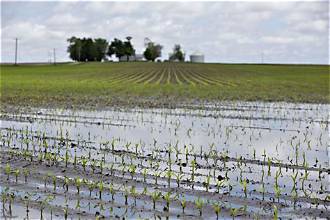
Severe flooding in parts of northeast Iowa is creating difficulties for farmers preparing for the 2026 US corn harvest. Heavy rainfall has saturated fields, delayed harvest preparations and raised concerns about potential crop-quality problems as farmers across the region monitor changing weather conditions.
The situation is also being watched closely by grain markets because the US is one of the world’s major corn producers and exporters. Any significant disruption to harvesting or crop quality could influence expectations for corn supplies during the new marketing season.
Heavy Rainfall Disrupts Harvest Preparations
According to the information provided by Grain Central, much of northeast Iowa received approximately 3.5 to 5 inches of rainfall, while some locations recorded even higher totals.
Such intense rainfall can leave fields waterlogged and make it difficult for farm machinery to operate. Wet soil conditions may prevent combines and other harvesting equipment from entering fields without causing soil compaction or getting stuck.
The delay is particularly important as farmers enter the harvest period and attempt to complete field preparations before additional weather systems arrive.
Crop Quality Becomes a Key Concern
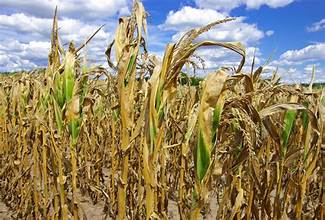
Extended wet conditions can create risks beyond harvesting delays. Excessive moisture around mature corn plants can increase the possibility of fungal diseases and deterioration in crop quality.
Among the concerns are ear rot and stalk rot, which can affect both the quality and harvestability of corn. Diseased ears may reduce grain quality, while weakened stalks can increase the risk of plants lodging before they can be harvested.
Farmers may therefore need to monitor fields carefully as conditions improve and harvesting becomes possible.
Crop quality can also influence the value of harvested grain. Corn affected by excessive moisture or fungal damage may face additional handling, drying or quality-management requirements.
US Corn Belt Under Close Watch
The developments in Iowa are being monitored alongside weather conditions across the wider US Corn Belt, where corn production is concentrated.
Harvest progress in the region is an important indicator for global grain markets. The pace of harvesting provides traders with information about actual crop availability, while field conditions can influence estimates of production losses and grain quality.
If wet weather persists across additional producing areas, harvesting could become more difficult and logistical pressure could increase.
However, the overall impact will depend on the geographical extent and duration of the adverse weather, as well as how quickly fields dry enough for harvesting equipment to operate.
Possible Implications for Grain Markets
Weather developments in the United States can have international consequences because American corn is widely used in livestock feed, ethanol production and food processing.
Any reduction in marketable supplies or deterioration in crop quality could influence domestic prices and international trade expectations. At the same time, strong yields in other producing regions could help offset some supply concerns.
For now, market participants are closely watching US harvest progress, field conditions and updated crop assessments.
Outlook for the 2026 Corn Harvest
The coming weeks will be important for determining how significantly flooding and rainfall affect the US corn harvest.
Farmers will need suitable field conditions to resume harvesting efficiently, while grain buyers and traders will continue monitoring crop quality and production estimates. The situation in northeast Iowa highlights how quickly extreme rainfall can complicate agricultural operations even as crops approach harvest. Further weather developments across the Corn Belt will remain an important factor for determining the availability and quality of US corn during the 2026–27 marketing year.

 By
By