China’s 2026 autumn grain harvest is facing a mix of favorable production conditions and growing weather-related challenges. Storms, drought and other extreme weather events have raised concerns about crop conditions in several agricultural regions, even as the country continues to maintain strong overall grain production.
The autumn harvest is particularly important for China because it accounts for a major share of the country’s annual grain output. Farmers across key agricultural provinces are currently working to harvest crops and protect yields amid changing weather conditions.
According to available production figures, China’s 2026 summer grain output reached 150.7 million tonnes, representing an increase of 0.7% compared with the previous year. The rise indicates that China’s grain sector has maintained production momentum despite fluctuations in weather and agricultural conditions.
The increase in summer grain production provides a positive foundation for the country’s overall food supply. However, attention has now shifted toward the autumn grain harvest, which is more vulnerable to weather events during the growing and harvesting periods.
Storms and Drought Create Agricultural Challenges
Extreme weather has emerged as one of the key factors influencing China’s autumn agricultural season. In some regions, heavy rainfall and storms can lead to waterlogging, crop damage and difficulties in harvesting and transporting agricultural produce. Strong winds can also affect standing crops and increase the risk of lodging, particularly when crops are approaching maturity.
At the same time, drought conditions in other areas are creating a different set of challenges. Insufficient rainfall can reduce soil moisture and affect crop growth, particularly in regions where irrigation resources are limited or where crops depend heavily on seasonal rainfall.
The combination of excessive rainfall in some areas and water shortages in others highlights the increasing importance of climate-resilient agricultural practices.
Autumn Harvest Remains Critical
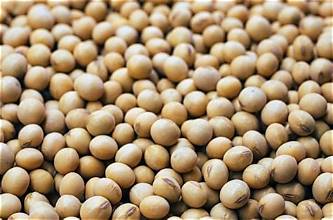
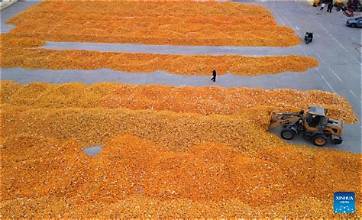
China’s autumn grain crops include major cereals such as corn, rice and soybeans, making the season crucial for both domestic food security and agricultural markets. The performance of these crops will influence the country’s overall grain balance and supply conditions in the coming months.
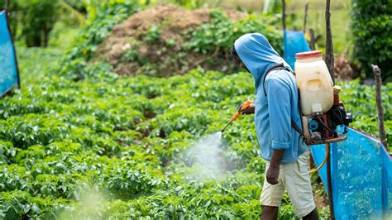
Agricultural authorities and farmers are therefore focusing on timely harvesting, crop monitoring and measures to reduce losses caused by adverse weather. Rapid harvesting when crops reach maturity can help minimize damage from storms and prolonged rainfall.
The use of modern agricultural machinery, weather forecasting, irrigation systems and digital farming technologies is also becoming increasingly important in managing production risks.
Strong Summer Grain Output Offers Encouragement
The 150.7 million tonnes of summer grain production recorded in 2026 demonstrates the resilience of China’s agricultural sector. A 0.7% year-on-year increase suggests that improvements in farming practices, crop management and agricultural infrastructure have helped support production.
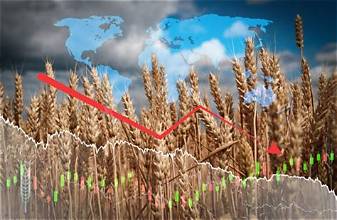
However, the final picture for China’s 2026 grain production will depend significantly on the performance of the autumn harvest. Weather conditions during the remaining harvesting period will remain an important factor.
China’s experience this year underlines a broader issue facing agriculture worldwide: maintaining stable food production while adapting to increasingly unpredictable weather patterns. Continued investment in climate-resilient crops, irrigation, agricultural technology, early-warning systems and efficient farm management will be important for protecting future harvests.
For now, China’s strong summer grain performance provides a positive signal, while the autumn harvest remains closely watched as farmers navigate storms, drought and other weather-related challenges.


 By
By