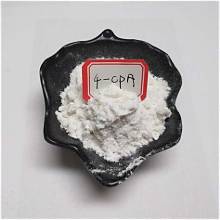
The U.S. Environmental Protection Agency (EPA) has completed its registration review of 4-CPA (4-chlorophenoxyacetic acid), an agricultural plant growth regulator used in applications associated with plant development and fruit-set management.
The completion of the registration review represents an important regulatory milestone for a crop-protection compound that has been used in agriculture for specific plant-growth management purposes. Registration review is part of the EPA’s ongoing process of evaluating registered pesticides and related agricultural chemicals to determine whether they continue to meet current standards for human health and environmental protection.
What Is 4-CPA?
4-CPA, or 4-chlorophenoxyacetic acid, belongs to the group of synthetic compounds that can influence plant growth and development. It is associated with agricultural applications involving plant growth regulation and fruit-set management.
Plant growth regulators are used in agriculture to influence specific physiological processes in crops. Depending on the crop and application, such products may be used to support fruit development, influence flowering or improve the uniformity of certain production processes.
Because these compounds can affect plant physiology, their use is generally subject to specific regulatory requirements, including approved uses, application rates and other conditions designed to ensure safe and effective use.
EPA Registration Review
The EPA conducts registration reviews to reassess pesticides and ensure that their continued use complies with current regulatory requirements. The process can involve evaluations of available scientific information concerning potential risks to human health, workers, consumers and the environment.
Completion of a registration review provides clarity regarding the regulatory status of the product or active ingredient and any conditions that may apply to its continued use.
For agricultural stakeholders, such reviews are significant because regulatory decisions can influence product availability, permitted applications and compliance requirements across the crop-protection industry.
Importance for Agriculture
Crop growth regulators such as 4-CPA occupy a specialized position within the agricultural input market. Unlike conventional pesticides that primarily target insects, weeds or diseases, plant growth regulators are intended to influence physiological processes within plants.
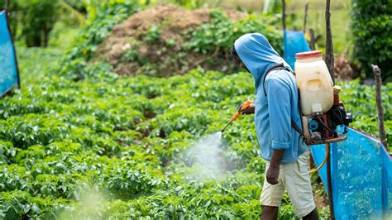
The use of such products can therefore be closely linked to crop-specific production practices. Farmers and agricultural professionals need to follow approved product labels and application instructions when using regulated plant growth regulators.
The completion of the EPA review also highlights the continuing importance of science-based regulatory assessment in the agricultural chemicals sector. As agricultural technologies evolve, regulatory authorities regularly review existing products using updated scientific information and regulatory standards.
Implications for the Crop-Protection Industry
The conclusion of the 4-CPA registration review provides an updated regulatory reference point for manufacturers, distributors, agricultural professionals and other stakeholders dealing with products containing the compound.
For the wider crop-protection industry, regulatory reviews remain an important part of ensuring that agricultural inputs continue to be evaluated in light of current scientific knowledge. They also help establish the conditions under which products can be used in agricultural systems.
As global agriculture increasingly focuses on productivity, crop quality and efficient resource use, plant growth regulators remain one component of the broader agricultural-input landscape. The regulatory status of compounds such as 4-CPA will continue to be relevant for companies and growers operating in markets where these products are registered and permitted for use.


 By
By