A new analysis has highlighted the potential of regenerative agriculture to strengthen food production and restore degraded farmland across the global smallholder farming sector. The analysis suggests that around 240 million smallholder farmers could benefit from better access to regenerative agricultural practices, technologies, knowledge and financial support.
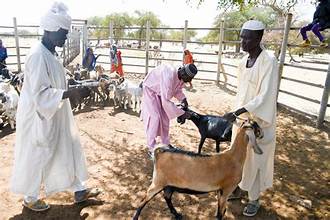
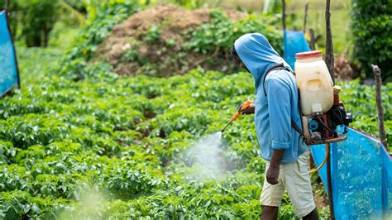
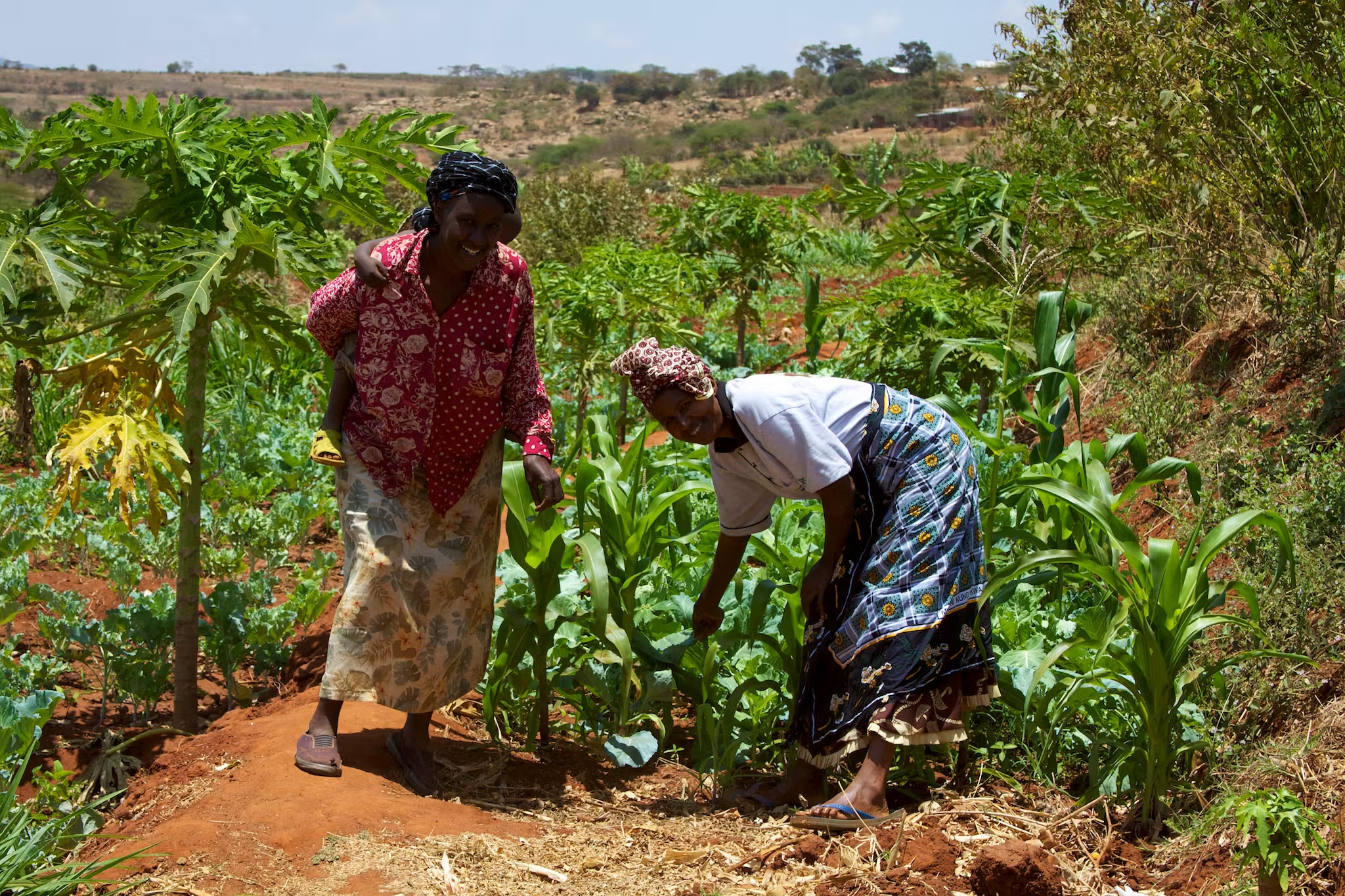
Smallholder farmers play a critical role in the global food system, particularly across developing countries in Africa, Asia and Latin America. Many of these farmers depend directly on agriculture for their livelihoods while operating on relatively small plots of land and with limited access to modern agricultural inputs and services.
Improving their access to regenerative farming approaches could create opportunities to address both agricultural productivity and environmental challenges.
Regenerative Agriculture Gains Global Attention
Regenerative agriculture is an approach that focuses on improving soil health, strengthening biodiversity, improving water management and maintaining long-term ecosystem productivity. Practices can include crop rotation, cover cropping, reduced soil disturbance, improved nutrient management, agroforestry and the use of organic matter to improve soil conditions.
Unlike farming systems that focus primarily on short-term production, regenerative approaches place greater emphasis on the long-term health and productivity of agricultural land.
For smallholder farmers, improved soil health can be particularly important because degraded soils can reduce crop productivity and make farms more vulnerable to drought, erosion and other climate-related stresses.
Opportunity to Increase Food Production
The analysis indicates that better access to regenerative agriculture could help smallholder farmers improve the productive capacity of their land.
Healthy soils generally have better capacity to retain water and nutrients, which can support crop growth and improve resilience during periods of environmental stress. In regions where farmers face irregular rainfall or declining soil fertility, these characteristics can be especially valuable.
However, regenerative agriculture is not a single standardized farming system. The practices that work effectively can differ depending on local climate, soil conditions, crops, farming systems and available resources.
For this reason, providing farmers with locally appropriate knowledge and technical support is an important part of expanding regenerative agriculture.
Restoring Degraded Agricultural Land
Land degradation is a major challenge for agriculture in many parts of the world. Continuous cultivation, erosion, nutrient depletion, water stress and other factors can gradually reduce soil quality and agricultural productivity.
Regenerative practices can contribute to restoring soil structure, increasing organic matter and reducing erosion. Over time, these improvements may help degraded farmland regain some of its productive capacity.
For smallholder communities, restoring existing farmland can also reduce pressure to expand cultivation into additional areas, although the outcomes depend on local conditions and how regenerative practices are implemented.
Access Remains a Major Challenge
Despite the potential benefits, many smallholder farmers face barriers to adopting new agricultural practices. Limited access to finance, extension services, quality inputs, markets, technology and reliable information can make it difficult for farmers to change established production systems.
The analysis therefore points to the importance of improving farmers’ access to the broader ecosystem needed for regenerative agriculture. Training, farmer organizations, digital advisory services, financial mechanisms and market opportunities can all play a role.
Access to affordable financing is particularly important because some regenerative practices may require an initial investment before farmers see benefits.
A Broader Opportunity for Global Agriculture
The focus on regenerative agriculture reflects a wider shift in global agriculture toward improving productivity while protecting natural resources. For the estimated 240 million smallholder farmers, expanding access to appropriate regenerative practices could potentially connect food-production goals with soil restoration and climate resilience.
The success of such efforts, however, will depend on whether regenerative approaches are adapted to local farming realities and whether farmers receive adequate technical, financial and market support.
As global demand for food continues to grow and agricultural land faces increasing environmental pressure, smallholder farmers are likely to remain an important part of discussions around sustainable food production. Improving their access to practical and locally suitable regenerative agriculture could become an important component of efforts to strengthen both food security and land health.


 By
By