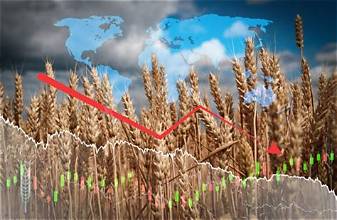
Global grain markets came under pressure on September 27, with futures for corn, soybeans and wheat recording declines as traders assessed weather conditions in the United States, the pace of the soybean harvest and developments in China-related trade.
The weakness across major grain contracts reflects a combination of supply, demand and trade-related factors that continue to influence agricultural commodity markets. Traders are closely monitoring harvest progress in the United States as well as weather patterns that could affect crop production and field operations.
Corn Futures Decline Amid Weather and Supply Focus
December corn futures moved lower in the latest market update as participants continued to assess U.S. crop conditions and harvesting prospects.
Weather remains an important factor for the U.S. corn market at this stage of the agricultural season. Favorable conditions can support harvesting and improve the movement of newly harvested grain into the market, while adverse weather can create delays and increase uncertainty around crop quality and supply timing.
The market is therefore watching both weather forecasts and the progress of fieldwork across major producing regions.
Soybean Futures Face Harvest Pressure
November soybean futures also declined on September 27. One factor influencing sentiment is the relatively slow start to the U.S. soybean harvest.
Harvest progress can have a significant short-term impact on soybean markets because the arrival of newly harvested supplies increases availability for processors, exporters and other buyers.
A slower harvest can temporarily restrict physical supplies in some locations, while an acceleration in harvesting can increase the amount of soybeans entering elevators and processing facilities. Traders are therefore paying close attention to field conditions, weather forecasts and weekly harvest data.
Soybean prices are also highly sensitive to international demand, particularly developments involving major global buyers.
Wheat Futures Also Under Pressure
December wheat futures recorded a decline as the broader grain complex remained under pressure.
Wheat markets are influenced by several factors, including global production estimates, export competition, weather conditions, currency movements and international demand. Changes in expectations for corn and soybean supplies can also influence broader agricultural commodity sentiment.
The latest weakness indicates that traders remain cautious while assessing the balance between global grain supplies and demand.
China-Related Trade Developments Remain Important
Developments involving China and agricultural trade are another factor influencing market sentiment. China is a major participant in global agricultural commodity markets, particularly for products such as soybeans.
Changes in trade flows, purchasing activity, tariffs, import policies or diplomatic developments can therefore affect expectations for U.S. agricultural exports.
For U.S. farmers and grain traders, Chinese demand is particularly important because export sales can influence domestic prices and the movement of agricultural commodities through the supply chain.
Markets Watch Harvest and Weather Signals
The September 27 market movement highlights the sensitivity of global grain futures to short-term changes in supply expectations and international trade conditions.
For now, traders are closely watching U.S. weather, soybean harvest progress, corn and wheat crop conditions, and China-related trade developments. Any significant change in these factors could influence market expectations and price direction in the coming sessions.
The latest declines in December corn, November soybeans and December wheat futures therefore reflect a market environment in which traders are balancing seasonal harvest pressure with weather uncertainty and global demand considerations.


 By
By