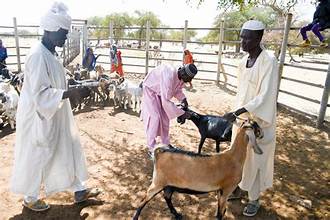
The Food and Agriculture Organization of the United Nations (FAO) has launched a nationwide livestock vaccination campaign in Sudan to protect animals and support the livelihoods and food security of communities affected by the ongoing conflict.
Livestock plays a critical role in Sudan’s rural economy. Millions of people depend on cattle, sheep, goats, camels and other animals for food, income, transportation and household assets. In conflict-affected areas, protecting livestock has become particularly important as farmers and pastoral communities face disruptions to markets, veterinary services and access to essential agricultural inputs.
Protecting Livestock in Conflict-Affected Communities
The vaccination campaign is designed to help reduce the spread of major livestock diseases and protect vulnerable animal populations. Disease outbreaks can cause significant losses for households that depend on livestock, particularly when veterinary services and animal-health infrastructure have been disrupted.
For many rural families, livestock represents more than a source of food. Animals can provide milk, meat and other products while also serving as an important financial asset. The loss of animals because of disease can therefore have a direct impact on household income and food availability.
By supporting vaccination and animal-health services, the campaign aims to help communities protect these critical assets.
Supporting Food Security and Livelihoods
Sudan is facing severe humanitarian and food-security challenges, making livestock protection an important component of agricultural and livelihood support.
Healthy livestock can contribute to household nutrition through the availability of milk and meat while generating income through the sale of animals and livestock products. Maintaining animal health can therefore strengthen the resilience of households facing displacement, disrupted markets and reduced access to agricultural resources.
The FAO campaign is intended to reach livestock-dependent communities across the country, with particular attention to areas where conflict and limited veterinary capacity have increased risks to animal health.
Importance of Veterinary Services
Conflict can severely disrupt veterinary systems by limiting the movement of veterinary professionals, reducing access to medicines and vaccines, and damaging or disrupting animal-health infrastructure.
Vaccination campaigns can help address some of these gaps by delivering preventive animal-health services directly to communities.
Alongside vaccination, awareness among livestock owners is important for identifying disease symptoms, improving animal management and encouraging timely reporting of suspected outbreaks. Community-level engagement can help make animal-health interventions more effective, particularly in remote pastoral and farming areas.
Livestock Protection as Part of Recovery
Protecting livestock is also relevant to Sudan’s longer-term agricultural recovery. For households that have lost crops, income sources or other productive assets because of conflict, livestock can remain an important foundation for rebuilding livelihoods.
Preventing avoidable animal losses can help families preserve productive assets and maintain access to food and income.
The nationwide vaccination campaign therefore represents more than an animal-health intervention. It forms part of broader efforts to support livelihood resilience, food security and agricultural recovery in conflict-affected communities.
As Sudan continues to face major humanitarian and agricultural challenges, maintaining livestock health will remain an important priority. Continued access to vaccines, veterinary services, animal-health information and support for livestock keepers will be essential for protecting rural livelihoods and strengthening food-security resilience.


 By
By