Farmer confidence in the United States weakened significantly in September as producers became increasingly concerned about rising input costs and the financial pressure facing agricultural businesses. The latest reading from the Purdue University/CME Group Ag Economy Barometer showed farmer sentiment falling to 123 points, down from 135 points previously.
The decline signals growing caution among U.S. farmers as they assess profitability, production expenses and the outlook for the agricultural economy. Higher costs for fuel, fertilizer, machinery, crop protection products and other farm inputs are putting additional pressure on farm margins.
Input costs emerge as the biggest concern
One of the most significant findings from the September survey was the sharp increase in concern over input prices. A record 52% of farmers identified higher input costs as their biggest concern.
The result highlights the challenge producers face when input expenses rise faster than crop and livestock revenues. Farmers often have limited ability to pass higher production costs directly on to buyers, making cost management a critical factor in farm profitability.
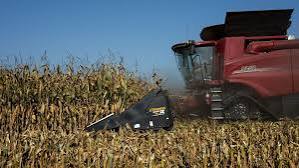
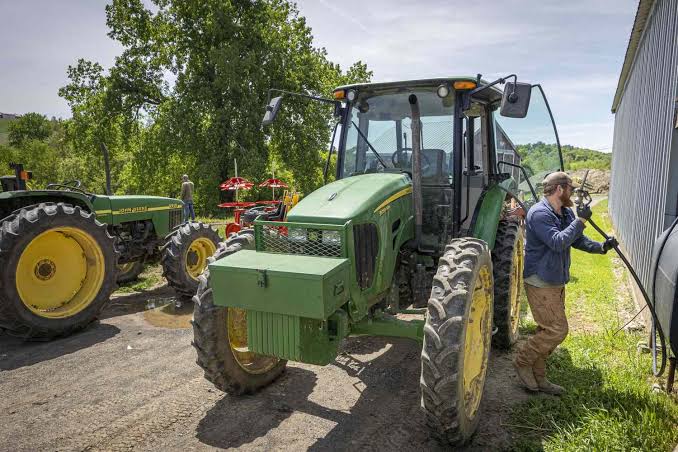
Fuel and fertilizer are particularly important expenses for crop producers. Higher energy prices can increase the cost of operating tractors, combines, irrigation systems and transportation, while fertilizer prices directly affect the cost of establishing and maintaining crops.
Pressure on farm profitability
The decline in farmer sentiment also reflects broader uncertainty over farm income. When commodity prices weaken while production costs remain elevated, profit margins can narrow quickly.
Farmers must make major financial decisions months before they know the final price they will receive for their crops. Decisions about seed, fertilizer, chemicals, machinery and labor therefore involve considerable financial risk.
The latest sentiment reading suggests that producers are becoming more cautious about these decisions and the overall economic outlook.
Implications for U.S. agriculture
The United States is one of the world’s largest producers and exporters of corn, soybeans, wheat and other agricultural commodities. Financial pressure on American farmers can therefore have implications beyond individual farms.
If high input costs persist, farmers may reconsider planting decisions, reduce discretionary spending or delay machinery purchases. Over time, elevated production costs could also influence acreage allocation and agricultural supply.
The situation is particularly important as farmers prepare for upcoming production seasons and evaluate expected commodity prices against fertilizer, fuel and other operating expenses.
Outlook remains uncertain
The fall in the Ag Economy Barometer from 135 to 123 points indicates a clear deterioration in farmer sentiment. The record share of farmers concerned about input costs further underlines the financial challenges facing U.S. agriculture.
For farmers, managing expenses will remain a major priority. For policymakers and agricultural businesses, the survey provides an important signal that cost pressures are becoming a central issue for producers.
With 52% of surveyed farmers citing higher input costs as their biggest concern, the latest data shows that profitability—not just production—is increasingly shaping the outlook for U.S. agriculture.

 By
By