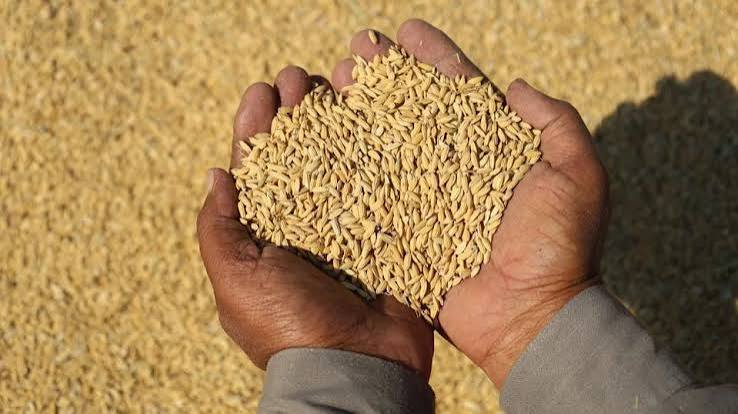
Global food prices climbed sharply in September, with the FAO Food Price Index reaching 136.0 points, its highest level in almost four years. The increase highlights growing pressure across international food commodity markets as weather risks, logistical challenges and disruptions to grain trade continue to influence global supplies.
The latest rise was driven primarily by a sharp increase in cereal prices, while sugar prices also strengthened significantly, reaching an 18-month high. The developments are raising concerns among food-importing countries and consumers about the potential impact of higher commodity costs on food inflation.
Cereal prices provide major boost
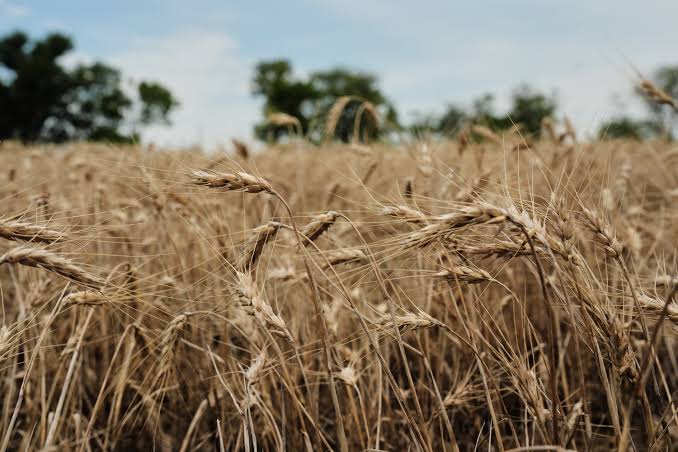
Cereals were among the biggest contributors to the September increase. Global wheat and other grain markets have been affected by concerns over production, weather conditions and disruptions to international trade routes.
The Black Sea region remains a key focus for traders. Russia and Ukraine are major suppliers of wheat and other grains to global markets, and continued security risks involving ports and commercial vessels have increased uncertainty over shipments.
Any prolonged disruption to Black Sea exports could tighten supplies in some importing markets and encourage buyers to seek grain from alternative suppliers. This could increase competition for available supplies and put additional upward pressure on international prices.
Weather risks remain a major concern
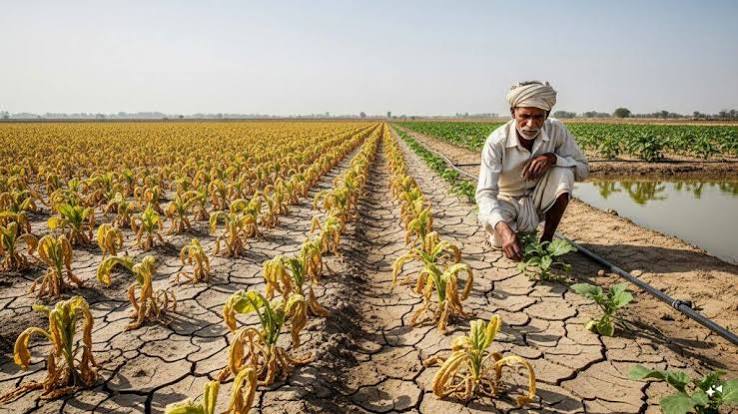
Weather is another important factor behind the recent rise in global food prices. Extreme heat, drought, excessive rainfall and other adverse conditions can reduce crop yields and affect harvest quality.
Markets are particularly sensitive to weather developments because agricultural production cannot be quickly replaced when crops are damaged. Concerns over production can therefore trigger price increases even before an actual supply shortage develops.
For farmers, changing weather patterns also mean higher production risks and greater uncertainty over yields, input requirements and farm income.
Sugar reaches an 18-month high
Sugar prices also contributed to the increase in global food costs, reaching their highest level in around 18 months. Sugar markets are influenced by production expectations in major producing countries, weather conditions and competition between food, ethanol and other uses.
A sustained increase in sugar prices could eventually affect food and beverage manufacturers, particularly in markets where sugar is an important input.
Implications for global food inflation
The rise in the FAO Food Price Index is an important indicator for governments, food companies, traders and consumers. Higher international commodity prices can increase the cost of importing food and agricultural raw materials, particularly for countries that depend heavily on global markets.
However, the impact on consumers will vary between countries depending on domestic production, government policies, currency movements, transport costs and food supply chains.
For now, the combination of weather risks, logistics problems and Black Sea trade disruptions is keeping global agricultural markets highly sensitive to new developments.
If supply disruptions persist and crop conditions deteriorate further, food prices could remain elevated in the coming months. Conversely, improved weather, stronger harvests and smoother global trade flows could ease some of the current pressure.

 By
By