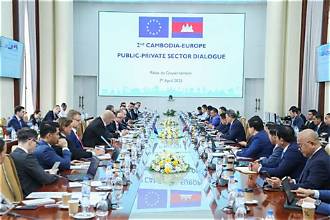
The European Union and Cambodia are expanding cooperation in agriculture through new initiatives aimed at improving farming standards, strengthening sustainability and creating better economic opportunities for rural communities. The partnership is expected to support Cambodia’s agricultural sector while helping producers improve their access to domestic and international markets.
Agriculture remains an important part of Cambodia’s economy and provides livelihoods for a large share of the country’s rural population. However, farmers continue to face challenges related to productivity, climate change, market access, quality standards and access to modern agricultural technologies.
The new EU-supported efforts are designed to address some of these challenges by promoting more sustainable and efficient farming practices. Improving agricultural standards can help producers meet increasingly demanding requirements in international markets, where consumers and buyers are paying greater attention to food safety, environmental sustainability and responsible production.
A major focus of the cooperation is expected to be strengthening value chains for important agricultural products. Better coordination between farmers, processors, traders and exporters can help reduce losses, improve product quality and increase the value farmers receive from their produce.
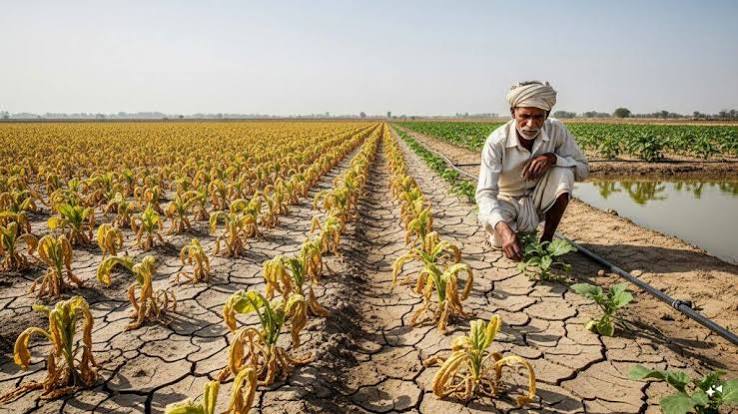
Sustainability is another key component of the partnership. Cambodian agriculture is increasingly exposed to climate-related risks, including irregular rainfall, drought and extreme temperatures. Encouraging efficient water use, improved soil management and climate-resilient farming practices could help farmers cope with these challenges while protecting natural resources.
The initiatives may also contribute to improving rural livelihoods. Smallholder farmers often face difficulties accessing finance, technology, training and reliable markets. Strengthening agricultural services and producer organisations could help rural communities improve productivity and develop stronger links with buyers.
Improved quality and production standards could also create new opportunities for Cambodian agricultural exports. Meeting international requirements can make it easier for agricultural businesses to enter higher-value markets and diversify their export destinations.
For Cambodia, stronger agricultural trade could generate additional income for farmers and rural businesses while supporting broader economic development. For European partners, cooperation in sustainable agriculture can contribute to wider goals related to responsible supply chains, environmental protection and inclusive rural development.
Technology and knowledge transfer are likely to play an important role as the partnership develops. Training programmes, improved production methods, digital tools and better agricultural data can help farmers make more informed decisions and increase efficiency.
The cooperation also reflects a broader shift toward agricultural development that combines productivity with environmental sustainability. Rather than focusing only on increasing output, modern agricultural programmes increasingly seek to improve resource efficiency, farmer incomes and resilience at the same time.
As the new initiatives progress, their impact will depend on how effectively support reaches farmers and agricultural enterprises across Cambodia. Strong coordination between government agencies, producers, private-sector companies and development partners will be important for achieving long-term results.
The strengthened EU-Cambodia agricultural partnership could therefore provide a foundation for more sustainable farming, stronger rural economies and expanded opportunities for Cambodian agricultural products in international markets.

 By
By
 anti-violence-519353 says: