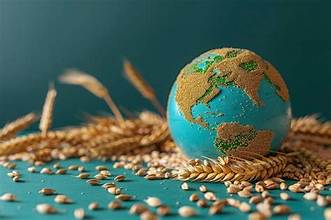
An unusually strong El Niño weather pattern is raising concerns about the outlook for global agriculture, with climate risks expected to intensify as the phenomenon approaches its projected peak between November 2026 and February 2027.
The potential development of a powerful El Niño has put farmers, governments and commodity markets on alert. The weather phenomenon can significantly alter rainfall patterns and temperatures across different parts of the world, creating the possibility of drought, excessive heat and disruptions to agricultural production.
Asia among regions facing higher risks
Parts of Asia could face increased weather-related risks during the coming months. Changes in rainfall patterns can affect the planting, growth and harvesting of major crops, particularly rice, maize, wheat and other staples.
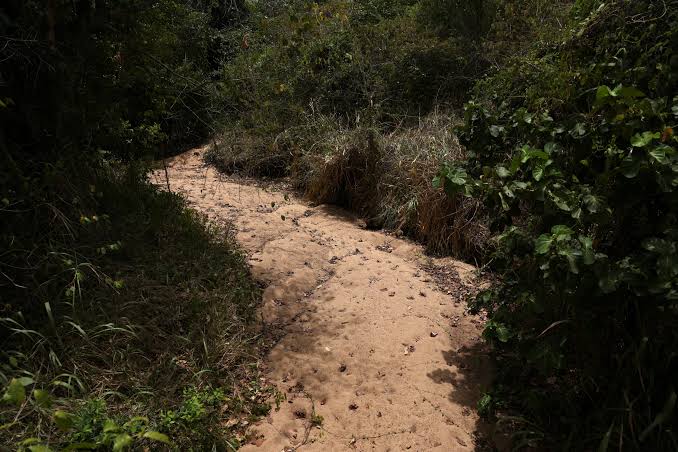
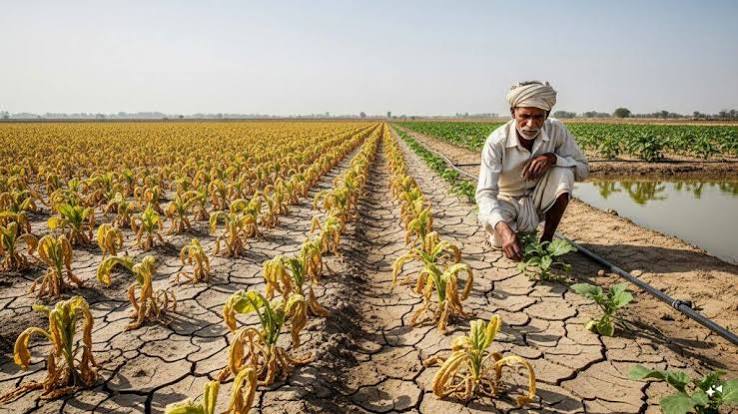
For farmers, prolonged dry conditions can reduce soil moisture and increase irrigation requirements. At the same time, unusually high temperatures can place additional stress on crops and livestock, potentially reducing yields.
The potential impact is particularly significant for countries that depend heavily on seasonal rainfall for agriculture. Any disruption to normal monsoon or dry-season patterns could affect farm incomes, food availability and agricultural commodity prices.
Philippines prepares for potential disruption
The Philippines is already taking precautionary measures ahead of the expected peak of El Niño. Authorities are preparing by strengthening food and agricultural-input reserves while expanding storage capacity.
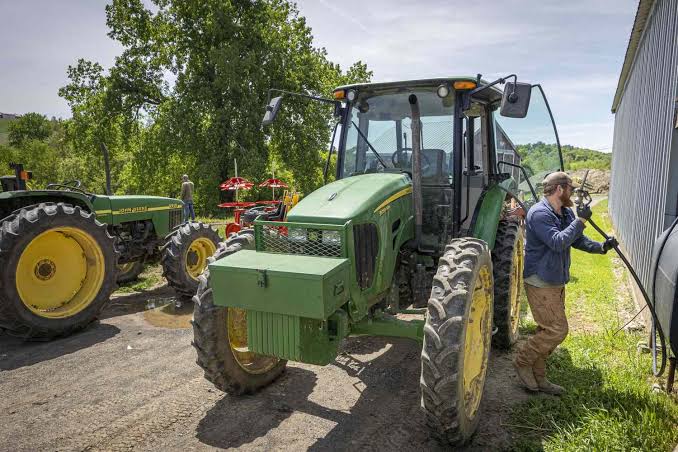
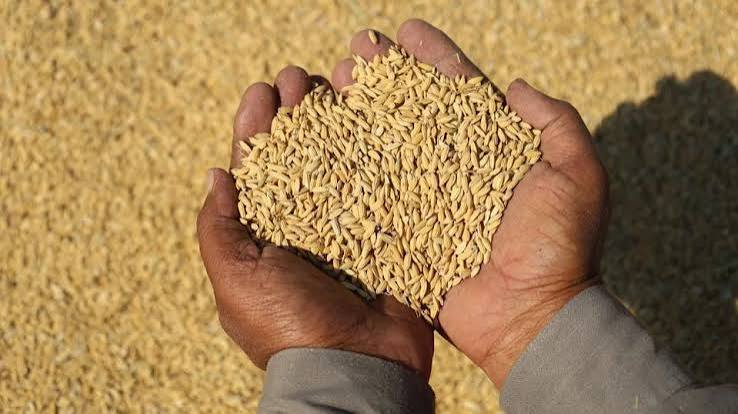
Building strategic stocks of food, seeds, fertilizers and other farm inputs can help reduce the impact of potential supply disruptions. Additional storage capacity can also allow governments and agricultural supply chains to maintain supplies during periods when transportation or domestic production is affected by extreme weather.
The Philippines is particularly exposed to climate-related agricultural risks because many farmers depend on rainfall and are vulnerable to drought conditions.
Global commodity markets on alert
A strong El Niño can have implications well beyond the countries directly affected by extreme weather. If major agricultural producing regions experience lower yields, global supplies could tighten and commodity prices could rise.
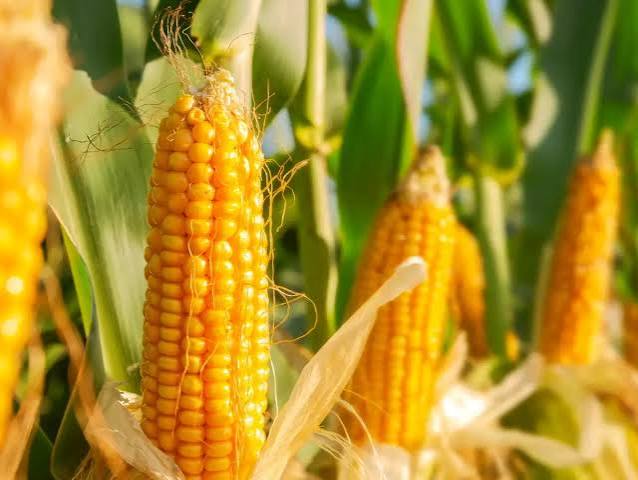
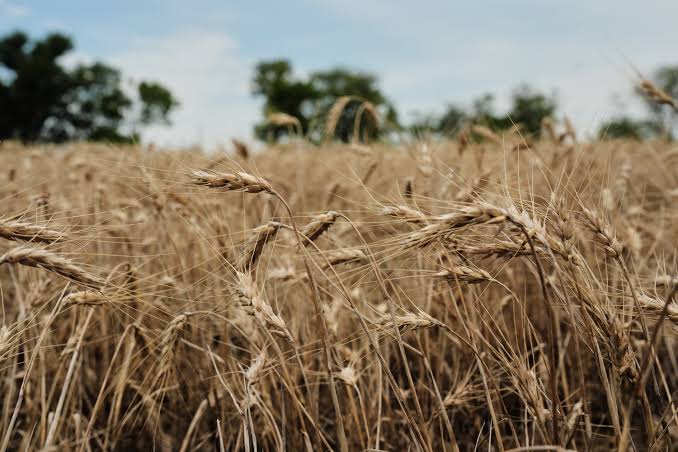
Markets for rice, corn, wheat, palm oil, coffee and other agricultural commodities can respond to changes in production expectations. Traders are therefore closely monitoring forecasts and crop conditions as the 2026–27 season approaches.
However, the impact of El Niño is not uniform. Some regions may experience drought, while others can receive heavier-than-normal rainfall. The final impact on global agricultural production will depend on the strength and duration of the event and how weather conditions develop across individual crop-producing regions.
Farmers face a period of uncertainty
The projected peak between November 2026 and February 2027 means agricultural policymakers and farmers have an important window to prepare for possible disruptions. Water management, drought-resistant varieties, improved storage and timely availability of farm inputs could help reduce risks.
For governments, maintaining adequate food reserves and strengthening supply chains will be increasingly important if extreme weather affects production or transportation.
With the possibility of a powerful “Godzilla” El Niño, the global agriculture sector is entering a period of heightened weather uncertainty. The coming months will be closely watched as governments, farmers and commodity markets assess whether the climate event develops into a major threat to crop production and global food security.

 By
By