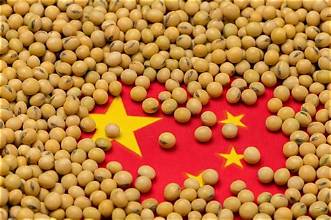
China’s soybean market is showing signs of continued weakness as soft animal-feed demand, poor crushing margins and elevated inventories reduce the country’s need for additional imports. The slowdown is becoming an important development for global oilseed markets and could put further pressure on soybean exporters, particularly the United States.
Soybean demand in China is closely watched by international traders because the country is the world’s largest soybean importer and a major consumer of soybean meal and soybean oil. Changes in Chinese buying patterns can therefore have a significant impact on global trade flows and prices.
Soybean Inventories Reach Multi-Year High
Inventories held at major Chinese soybean-crushing plants have reportedly climbed to their highest level in at least 15 years. High stocks indicate that crushers already have substantial supplies available, reducing the immediate need to purchase additional beans from overseas markets.
Large inventories can also encourage buyers to delay new purchases until existing supplies decline or market conditions become more favorable.
For exporters, weaker Chinese buying can create additional competition among suppliers seeking alternative destinations for their soybeans.
Weak Feed Demand Hurts Soybean Consumption
One of the major factors affecting soybean demand is weaker consumption from China’s animal-feed sector.
Soybeans are crushed to produce soybean meal, a major protein source used in livestock and poultry feed. When demand for animal feed slows, soybean crushing activity can also come under pressure.
Lower feed demand can therefore reduce the amount of soybeans that Chinese processors need to purchase, particularly when inventories are already elevated.
Poor Crushing Margins Add Pressure
Chinese soybean crushers are also facing weak crushing margins, making it less attractive to process additional imported beans.
Crushing margins depend on the relationship between the cost of imported soybeans and the value of the resulting soybean meal and soybean oil. When margins become less favorable, processors may reduce operating rates or become more cautious about purchasing new supplies.
This combination of weak margins and high inventories is creating a challenging environment for China’s soybean market.
U.S. Export Prospects Face Pressure
The slowdown in Chinese soybean demand could have significant implications for U.S. soybean exporters. China has historically been one of the most important destinations for U.S. soybeans, particularly during the U.S. harvest season.
If Chinese buyers reduce purchases, U.S. exporters may need to rely more heavily on other international markets. Increased competition for buyers could weigh on export prices and influence domestic soybean markets.
The timing is particularly important as U.S. farmers bring their latest soybean crop to market and exporters seek overseas demand.
Global Oilseed Market in Focus
China’s weak demand comes as global oilseed markets are already responding to changing weather conditions, production expectations and shifting trade flows.
High Chinese inventories could continue to influence purchasing decisions in the near term. Traders will be watching soybean crushing rates, animal-feed demand and inventory levels for signs of whether Chinese demand is beginning to recover.
For global soybean producers and exporters, China’s purchasing activity remains a critical market indicator. Until inventories decline and crushing margins improve, China’s import demand could remain subdued, creating additional pressure on U.S. soybean export prospects and the broader international oilseed market.

 By
By