Australia’s canola exports increased sharply in August, highlighting strong international demand for the oilseed and the continuing importance of China as a major destination for Australian agricultural commodities.
Australia exported 299,109 tonnes of canola in August, representing a 41% increase from July. The substantial month-on-month rise indicates stronger export activity as Australian supplies move into international markets.
China Leads Australian Canola Purchases
China was the largest destination, receiving approximately 167,500 tonnes of Australian canola during August. The volume represents more than half of Australia’s total canola exports for the month, underlining China’s significant role in the global oilseed trade.
China is one of the world’s largest consumers of oilseeds, with canola used primarily for vegetable oil production and livestock feed. Strong Chinese demand can therefore have an important influence on international canola trade flows and prices.
For Australian exporters, China’s position as a major buyer provides an important outlet for domestic production and reinforces the country’s role as a significant supplier in global oilseed markets.
Strong Export Flow Supports Australian Agriculture
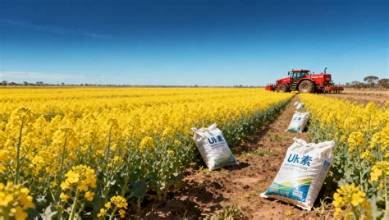
The increase in shipments comes at an important time for Australia’s agricultural sector. Canola is one of the country’s major winter crops and an important source of export revenue for farmers and the wider agricultural supply chain.
Higher export volumes can benefit producers by strengthening demand for Australian canola and supporting activity across grain handling, storage, transportation and port operations.
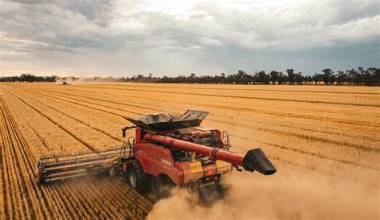
The increase also demonstrates the importance of efficient logistics in Australia’s agricultural export system. Moving large quantities of grain from growing regions to ports requires coordinated transportation, storage and handling infrastructure.
Global Oilseed Market Impact
Australia is a major exporter of canola, while Canada and the European Union are also important players in global oilseed markets. Changes in export flows from any major supplier can influence international trade patterns.
China’s purchasing activity is particularly important because of its enormous feed and edible-oil industries. Changes in Chinese demand can affect global oilseed prices and alter trade flows between major producing countries.
The strong August export figures therefore provide an important signal for the international canola market.
Outlook for Australian Canola
Australia’s canola export performance will depend on several factors in the coming months, including domestic production, crop quality, international prices, shipping conditions and demand from major importing countries.
The 41% monthly increase in exports to 299,109 tonnes demonstrates strong movement of Australian canola into overseas markets. With China accounting for around 167,500 tonnes, its continued demand will remain a key factor for Australian exporters and the wider global oilseed trade.
As Australia’s new crop becomes available and international buyers assess their requirements, canola exports are likely to remain an important indicator of global oilseed market conditions.

 By
By