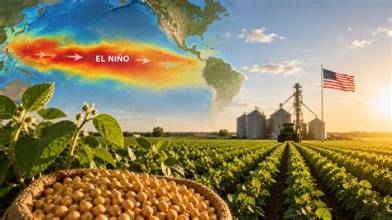
Brazil is entering an important phase of its agricultural calendar with the country’s wet season beginning broadly on schedule, but a strong El Niño pattern is creating uncertainty over rainfall distribution across major farming regions.
The contrasting weather outlook could present different challenges for farmers depending on their location. While parts of southern Brazil may experience excessive rainfall, increasing concerns about crop diseases and field conditions, central and northern regions could face periods of below-normal rainfall and growing drought risks.
Southern Brazil Faces Excess Rainfall Risk
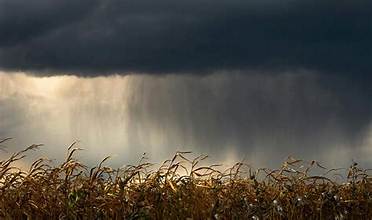
Southern agricultural areas could see wetter conditions under the evolving weather pattern. While sufficient rainfall is essential for crop development, excessive moisture can create problems for farmers.
Waterlogged fields can delay planting and harvesting operations, restrict access for farm machinery and increase the risk of fungal diseases. Persistent humidity and wet conditions can also affect crop quality and raise production costs as farmers respond to disease and pest pressures.
For producers, managing excess moisture could become an important priority if rainfall remains above normal during critical crop-development periods.
Dryness Concerns in Central and Northern Regions
The situation could be markedly different in central and northern Brazil, where El Niño-related weather patterns may contribute to drier conditions.
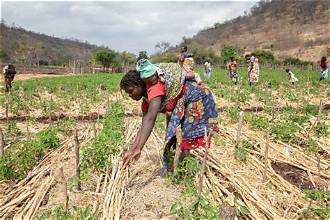
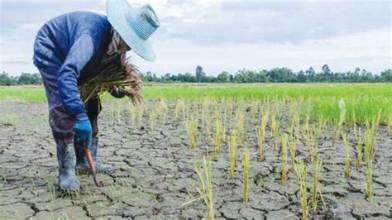
These regions are important to Brazil’s agricultural economy, particularly for the production of crops such as soybeans and corn. Insufficient rainfall during planting or key stages of crop development could reduce soil moisture and make crop establishment more difficult.
Farmers may also face increased demand for irrigation where water resources are available. In areas without adequate irrigation infrastructure, prolonged dry conditions could increase the risk of yield losses.
Implications for Soybean and Corn Production
Brazil is one of the world’s leading producers and exporters of soybeans and corn, meaning weather developments in the country can have consequences far beyond its borders.
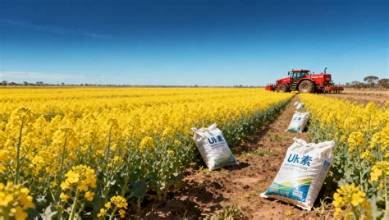
Soybean planting and early crop development depend heavily on timely rainfall. Delays in rainfall can postpone planting, while excessive rainfall can create separate problems for field operations and plant health.
Corn production can also be affected by shifts in rainfall patterns, particularly when dry conditions coincide with sensitive stages of crop development.
El Niño Adds Uncertainty to Global Markets
The contrasting Brazilian outlook comes as global agricultural markets are already closely monitoring the effects of a strong El Niño pattern. Weather developments in major producing countries can influence expectations for crop supplies, exports and international commodity prices.
However, the final impact on Brazilian agriculture will depend on how rainfall is distributed geographically and how long the weather pattern persists.
For farmers, timely weather information and careful water management will be increasingly important as the season progresses. Producers may need to adjust planting schedules, monitor soil moisture and prepare for both excessive rainfall and dry spells.
With Brazil’s wet season now getting underway, the coming weeks will be crucial in determining whether the country’s major agricultural regions receive the rainfall needed to support healthy crop development—or face weather-related disruptions that could affect production and global grain markets.

 By
By