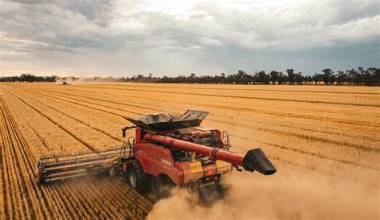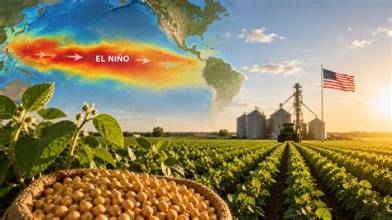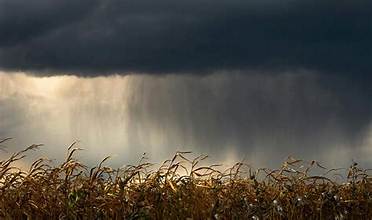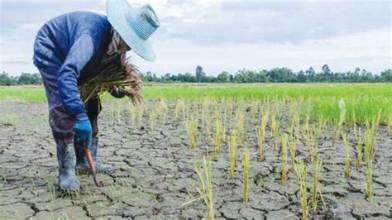
Heavy rainfall across parts of the U.S. Corn Belt is disrupting the harvest of corn and soybeans, with farmers in key producing states facing increasingly difficult field conditions. Iowa, one of the country’s leading agricultural states, has been particularly affected as wet fields prevent farm machinery from operating efficiently.
The harvest disruption comes at a critical time for U.S. farmers, who are working to bring mature crops out of the fields before weather conditions deteriorate further. Persistent rainfall can leave fields saturated, making it difficult for combines and other heavy equipment to enter without causing soil compaction or becoming stuck.
Short Dry Period Could Provide Relief
Farmers may receive some relief if a temporary period of dry weather develops. Even a few days without significant rainfall could allow soil conditions to improve enough for combines to return to the fields and accelerate harvesting.
However, the opportunity may be limited. Forecasts indicating additional rain later this week are creating uncertainty for producers attempting to make up for lost harvesting time.
A prolonged wet pattern could result in further delays, increasing pressure on farmers to complete field operations while suitable conditions remain available.
Soybean Harvest Also Affected
Soybean harvesting is facing similar challenges. Delays can increase concerns about crop quality, particularly if mature plants remain exposed to unfavorable weather for extended periods.
For farmers, the timing of soybean harvest is important because excessive moisture can complicate field operations and transportation. Wet conditions can also increase costs as producers spend more time and fuel moving equipment and managing difficult fields.
Winter Wheat Planting Faces Delays
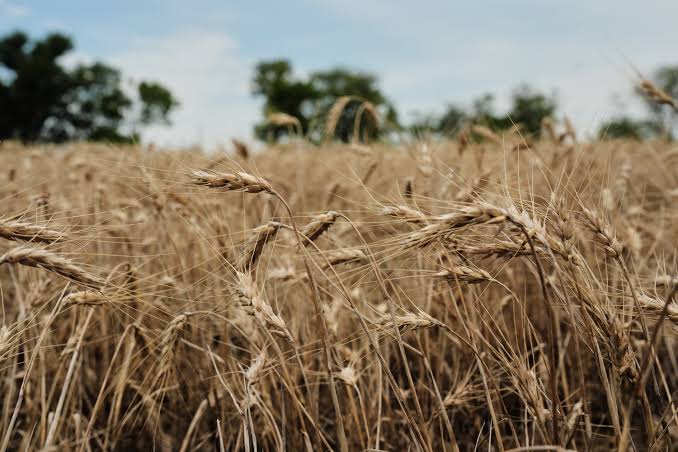
The wet conditions are also creating problems for winter-wheat planting. Farmers often need to prepare fields and plant winter wheat within a suitable seasonal window to give seedlings enough time to establish before winter.
Continued rainfall could prevent field preparation and push planting further behind schedule. While adequate soil moisture is beneficial for crop establishment, excessively wet conditions can prevent farmers from getting machinery into fields at the right time.
Weather Remains Key to U.S. Grain Markets
The harvest disruptions are being closely watched by grain traders because the pace of U.S. fieldwork can influence expectations for near-term grain supplies. Any significant delay in harvesting can affect the timing of crops entering elevators, storage facilities and export channels.
The United States is a major global supplier of corn and soybeans, making developments in the Corn Belt important not only for American farmers but also for international commodity markets.
For now, farmers are watching every available dry window. A brief improvement in weather could allow harvesting to resume, but another round of rain later in the week could quickly reverse those gains.
As the U.S. harvest progresses, rainfall, soil conditions and the timing of winter-wheat planting will remain critical factors shaping farm operations and grain-market expectations.

 By
By