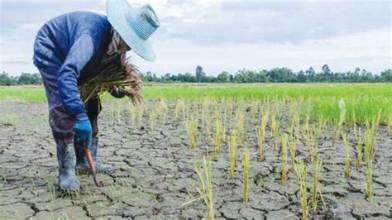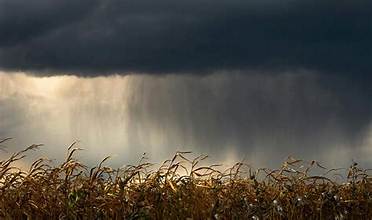
U.S. grain markets came under pressure as changing weather forecasts influenced trading sentiment during the ongoing harvest season. Corn and soybean prices weakened, while wheat also moved lower, as traders assessed expectations for drier conditions across key agricultural regions.
Weather remains one of the most important factors influencing U.S. agricultural markets at this time of year. With farmers actively harvesting corn and soybeans, changes in rainfall and temperature forecasts can quickly affect expectations for crop progress, yields and the pace of supplies reaching the market.
Drier Weather Supports Harvest Progress
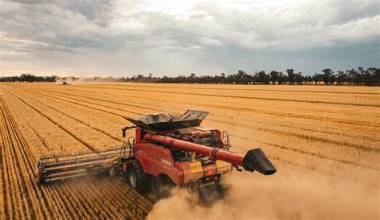
Forecasts for drier conditions are being closely watched by farmers and grain traders. A reduction in rainfall could allow harvesting equipment to operate more efficiently, helping farmers bring crops from fields to storage and markets.
Faster harvest progress can also increase the volume of grain available in the short term. Higher supplies entering the market may put downward pressure on prices, particularly when traders expect production to remain strong.
For soybean growers, weather conditions are equally important because harvest timing can influence both crop quality and marketing decisions. Delays caused by excessive moisture can create logistical challenges, while improved field conditions can accelerate harvesting and transportation.
Winter Wheat Planting Also in Focus
Weather is not only affecting the outlook for corn and soybeans. U.S. winter-wheat planting decisions are also being influenced by soil moisture and upcoming weather conditions.
Farmers need adequate moisture to establish winter wheat successfully, but excessive rainfall can delay field preparation and planting. Conversely, overly dry conditions may create difficulties in achieving good seed-to-soil contact and uniform crop emergence.
As a result, producers and traders are closely monitoring forecasts for the coming weeks. Weather developments could influence expectations for the area planted to winter wheat as well as prospects for crop establishment.
Wheat Prices Also Ease
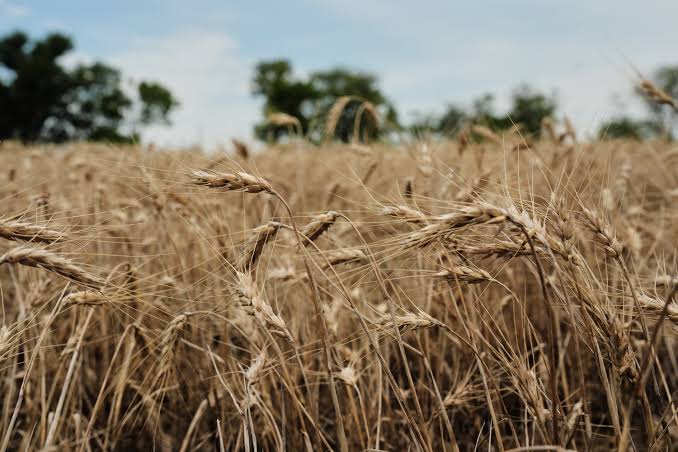
Wheat prices also weakened alongside corn and soybean markets. The movement reflects broader adjustments in grain markets as traders evaluate harvest progress, weather forecasts and potential supply availability.
The interconnected nature of grain markets means developments in one crop can influence others. Corn, soybeans and wheat compete for acreage, storage capacity, transportation and investment flows, making weather developments across major U.S. growing regions particularly important for global agricultural markets.
Global Market Impact
The United States is one of the world’s largest producers and exporters of corn, soybeans and wheat. Consequently, changes in U.S. crop conditions can influence international prices and purchasing decisions in major importing countries.
For farmers, the current market environment highlights the importance of closely monitoring both weather forecasts and commodity prices. While favorable weather could support harvest progress and increase near-term supplies, unexpected weather changes could quickly alter market expectations.
With the U.S. harvest continuing, weather is likely to remain a key driver of grain markets in the weeks ahead. Traders will be watching field conditions, harvest progress and winter-wheat planting closely for signals about the direction of prices and global grain supplies.

 By
By