Global food prices continued their upward trajectory in September, reaching their highest level in nearly four years as rising cereal prices, weather concerns and transport disruptions put additional pressure on international food markets.
According to the Food and Agriculture Organization of the United Nations (FAO), the FAO Food Price Index averaged 136.0 points in September, marking a 1.5% increase from August and a significant 5.8% rise compared with September last year. The latest increase highlights renewed pressure across global agricultural commodity markets and raises concerns about food affordability for consumers, particularly in countries that depend heavily on imports.
Cereal Prices Lead the Increase
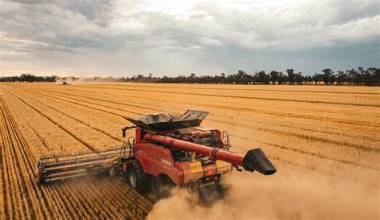
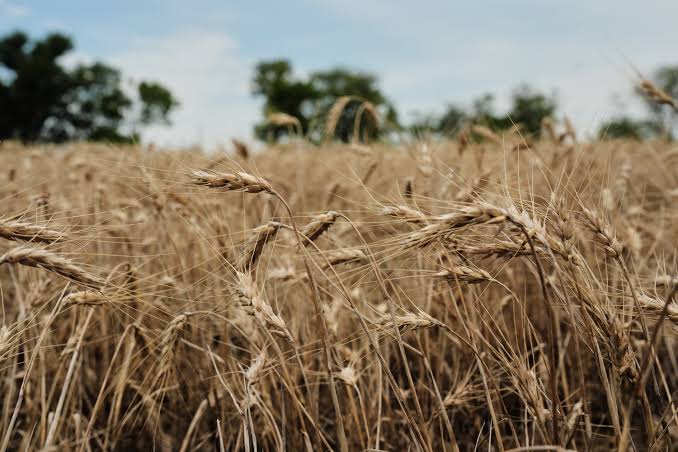
Cereals were among the biggest contributors to the September rise. Wheat prices increased by 6.3% during the month, while maize prices climbed 5.6%. The increases reflect a combination of supply concerns, changing market expectations and logistical challenges affecting the movement of agricultural commodities.
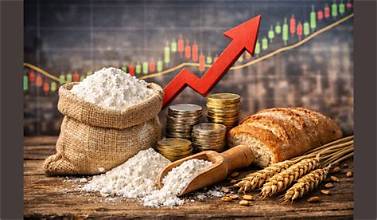
Wheat remains a critical staple for billions of people and is widely traded across international markets. Any sustained increase in wheat prices can have implications beyond grain markets, potentially affecting the cost of flour, bread, pasta and other wheat-based food products.
Maize prices are also particularly important because the crop is used not only for human consumption but also as a major feed ingredient for the livestock and poultry industries. Higher maize costs can therefore increase production expenses for meat, eggs and dairy products.
Weather and Transport Disruptions Add Pressure
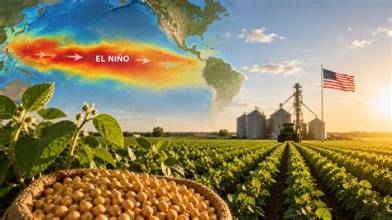
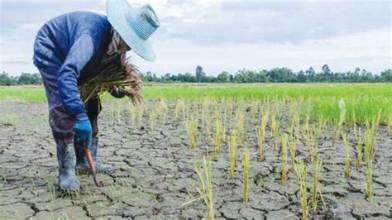
Weather conditions are emerging as another important factor behind the recent market volatility. Concerns over crop conditions and future production in key growing regions can encourage traders to factor potential supply risks into international prices.
At the same time, disruptions to global transportation networks are adding to uncertainty. Delays, higher freight costs and difficulties in moving agricultural commodities from producing regions to major importing markets can increase the final cost of food.
These challenges are particularly significant for countries that rely on international markets to meet a substantial share of their cereal requirements.
Implications for Farmers and Consumers
The rise in global food prices presents a mixed picture for farmers. Higher commodity prices can improve returns for producers who have sufficient marketable stocks. However, increased costs for fuel, fertilizers, machinery, transportation and other agricultural inputs can reduce the benefits of higher crop prices.
For consumers, sustained food-price inflation could increase household expenditure, particularly among low-income families that spend a larger proportion of their income on food.
The September increase in the FAO Food Price Index therefore serves as an important indicator of renewed pressure in global food markets. Continued monitoring of weather conditions, crop production, trade flows and transportation disruptions will be crucial in determining whether food prices continue rising in the months ahead or begin to stabilize.

 By
By