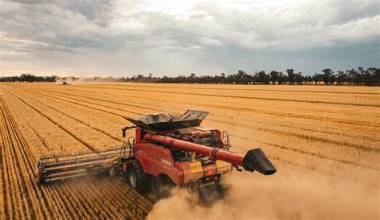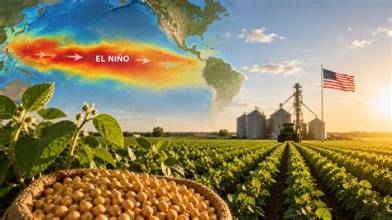
A very strong El Niño event is emerging as a major risk for global agriculture, raising concerns over crop production, water availability and food security across several important farming regions. The developing climate pattern could have significant implications for farmers in Asia, Latin America and other agricultural economies, depending on how its intensity and regional weather impacts evolve.
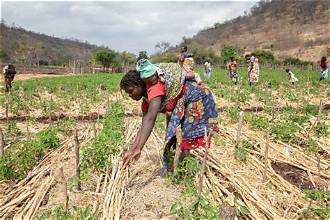
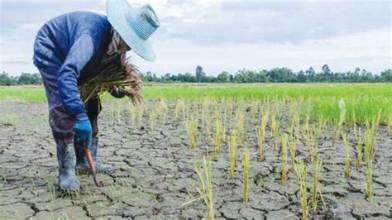
According to the Food and Agriculture Organization of the United Nations (FAO), strengthening El Niño conditions could have particularly important consequences for rice production in South and Southeast Asia, where millions of farmers depend on predictable rainfall and suitable water availability for cultivation.
Rice Production Faces Growing Weather Risk
Rice is one of the world’s most important staple crops and is particularly sensitive to changes in rainfall, temperature and water availability. South and Southeast Asia account for a large share of global rice production, making weather disruptions in these regions important for international food markets.
A strong El Niño can alter normal rainfall patterns, increasing the risk of drier-than-usual conditions in some agricultural areas. If rainfall declines during critical stages of rice cultivation, farmers may face greater irrigation requirements and higher production costs.
Reduced water availability could become especially challenging in areas where farmers depend heavily on monsoon rainfall rather than reliable irrigation systems.
Wider Impact Across Global Agriculture
The potential effects of El Niño extend beyond rice. Changes in temperature and precipitation can influence the production of maize, wheat, soybeans, sugar, coffee and other major crops across different regions.
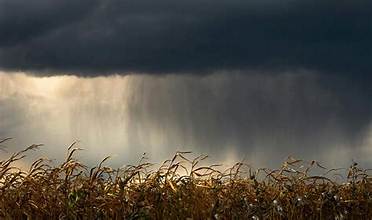
The impact, however, is not uniform. El Niño can bring wetter conditions to some parts of the world while creating drought risks in others. Consequently, its agricultural effects depend heavily on geography, crop calendars and local water resources.
Farmers may also face increased uncertainty when making decisions about planting dates, crop varieties, irrigation and input use.
Food Prices Could Come Under Pressure
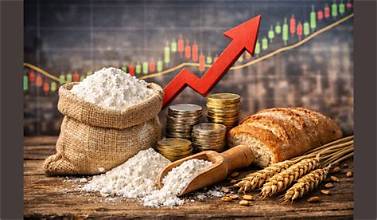
Any significant reduction in crop production could have consequences for global commodity markets. Lower supplies from major producing regions can tighten international markets and potentially increase prices, particularly for staple foods such as rice.
For importing countries, higher international prices could increase food-import bills and create additional pressure on domestic food inflation. Vulnerable households could be particularly exposed if food prices rise sharply.
At the same time, the final impact will depend on the duration and intensity of El Niño, regional rainfall patterns, crop conditions and the ability of farmers and governments to respond.
Early Monitoring Is Critical
The developing El Niño highlights the importance of early weather forecasting, climate monitoring and agricultural preparedness. Governments and agricultural agencies can use seasonal forecasts to provide farmers with timely advisories on crop selection, irrigation, planting schedules and water management.
For farmers across Asia and other vulnerable regions, closely monitoring weather forecasts will be essential in the coming months.
With El Niño strengthening, global agricultural markets are likely to pay increasing attention to rainfall and temperature patterns. Rice-producing regions of South and Southeast Asia will remain particularly important to watch, as weather conditions could influence both regional food security and global rice supplies.

 By
By