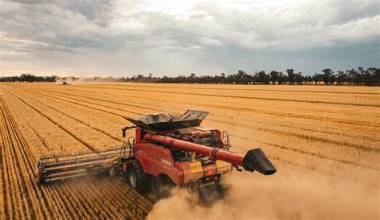
Australia’s grain harvest is getting underway, with the first deliveries of newly harvested crops reported in South Australia, marking the beginning of an important period for farmers, grain handlers and exporters.
Early crop prospects remain encouraging in several growing regions, supported by recent rainfall that has improved crop development and moisture conditions. However, weather will continue to play a critical role as harvesting expands across the country’s major grain-producing areas.
Harvest Gets Underway in South Australia
The arrival of the first grain deliveries signals the start of Australia’s broader harvest season. Farmers are now preparing machinery, storage facilities and transportation networks for an increase in grain movement as more crops reach maturity.
The pace of harvesting will depend on crop maturity as well as field and weather conditions. Dry weather is generally preferred once crops are ready for harvesting, allowing farmers to operate machinery efficiently and deliver grain without significant delays.
Rainfall Supports Crop Development
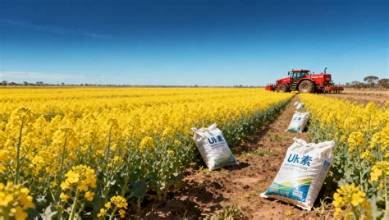
Recent rainfall has provided important moisture during crop development, helping support yield potential in several regions. Adequate soil moisture is particularly important for winter crops such as wheat, barley and canola, which form a major part of Australia’s grain industry.
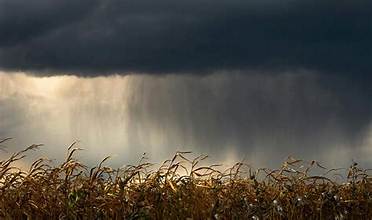
Good growing conditions can improve crop establishment and yield prospects, although excessive rainfall close to harvest can create new challenges. Wet conditions may delay machinery operations, increase disease risks and potentially affect grain quality.
As a result, farmers will be closely monitoring local weather forecasts as harvesting activity expands.
Regional Conditions Remain Important
Australia’s agricultural regions can experience significantly different weather conditions, meaning harvest prospects are unlikely to be uniform across the country.
Some areas may benefit from favorable moisture and strong crop development, while others could face challenges from insufficient rainfall, excessive moisture or changing temperatures.
The coming weeks will therefore be important for determining the final production outlook. Weather during the harvest window can have a major influence on both the quantity and quality of grain reaching markets.
Importance for Global Grain Markets
Australia is a major global supplier of agricultural commodities, particularly wheat and barley. Developments in its harvest can influence international grain trade, especially when global markets are already closely watching weather conditions in major producing countries.
A strong Australian harvest could provide additional supplies to international markets and support export flows. Conversely, significant weather-related disruptions could tighten availability and affect global price expectations.
For now, the beginning of grain deliveries in South Australia provides an early indication that Australia’s harvest season is moving forward. Favorable rainfall has supported crop development, but weather conditions during the harvest period will remain crucial as farmers across the country bring more grain to market.

 By
By