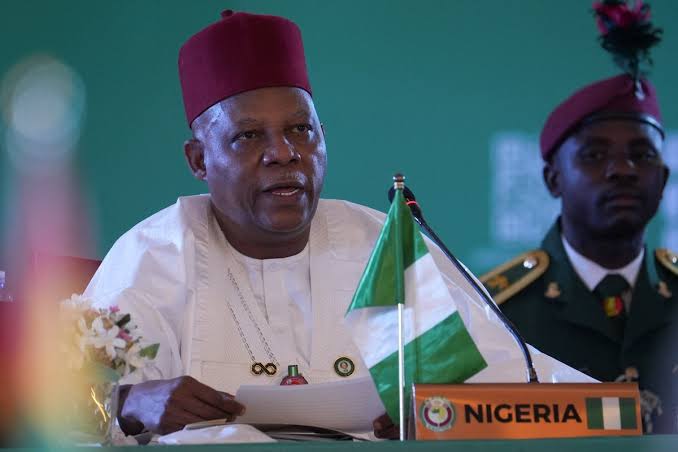
Nigeria has announced plans to establish a $500 million agriculture investment fund aimed at strengthening food security, expanding agricultural production and attracting greater investment into the country’s food and farming sector. The proposed fund will focus on a broad range of agricultural activities, including crops, livestock, fisheries and marine resources.
The initiative is expected to bring together development finance institutions, government agencies and private investors to mobilise capital for projects across Nigeria’s agricultural value chains. The move comes as the country seeks to increase domestic food production, reduce dependence on imports and create more opportunities for farmers and agribusinesses.
Investment to Cover Multiple Agricultural Sectors
Unlike programmes focused on a single crop or agricultural activity, the proposed fund is designed to support several major areas of Nigeria’s food economy.
Investment is expected to target crop production, livestock development, fisheries and marine resources. This broad approach could help strengthen different parts of the food system while creating opportunities for businesses involved in processing, storage, transportation and marketing.
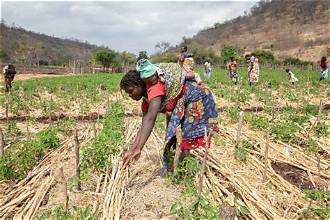
Greater investment in agricultural infrastructure could also help address some of the challenges faced by farmers, including limited access to finance, inadequate storage facilities, inefficient supply chains and restricted market access.
Focus on Food Security
Food security is one of the major priorities behind the proposed investment fund. Nigeria has a large and rapidly growing population, creating strong demand for food and increasing the need to expand domestic agricultural production.
Improving productivity across crops, livestock and fisheries could help increase the availability of locally produced food. Greater domestic production could also reduce pressure on foreign exchange caused by food imports.
The fund could support investments that help farmers increase yields, improve access to modern technologies and strengthen links between producers and markets.
Bringing Public and Private Capital Together
One of the key features of the proposed initiative is its focus on bringing together development institutions and private investors.
Public and development finance can help reduce investment risks and provide capital for projects that may otherwise struggle to attract commercial financing. Private-sector participation, meanwhile, can bring additional capital, technology, management expertise and access to domestic and international markets.
A stronger partnership between public institutions and private investors could therefore help create larger and more sustainable agricultural projects.
Opportunities for Farmers and Agribusinesses
Agricultural investment can generate benefits beyond direct farm production. Financing for processing and storage can help reduce post-harvest losses, while investment in transportation and logistics can improve farmers’ access to markets.
For livestock producers, funding could support improved breeding, animal health, feed production and processing facilities. In fisheries, investment could strengthen production, cold-chain infrastructure and value-added processing.
Such developments could create new employment opportunities across rural communities while increasing the value generated from agricultural products.
Technology and Modern Farming
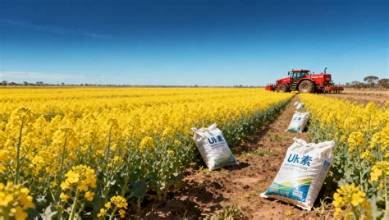
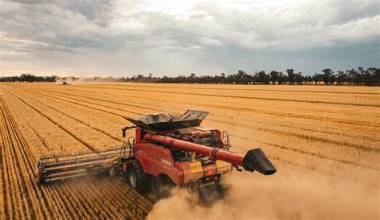
Access to investment is also essential for modernising Nigeria’s agricultural sector. Digital agriculture, mechanisation, irrigation, improved seeds, precision farming and climate-smart technologies can help farmers increase productivity and manage production risks.
Investment in technology could be particularly important as farmers face challenges linked to changing weather patterns, rising production costs and resource constraints.
The development of modern agricultural value chains could also help connect smallholder farmers with larger processors, retailers and export markets.
Challenges Will Require Effective Implementation
While the $500 million fund represents a significant investment opportunity, its long-term impact will depend on effective implementation, transparency and access to finance for farmers and agricultural enterprises.
Ensuring that smallholder farmers and rural businesses can benefit from the initiative will be important. Clear investment criteria, strong monitoring systems and efficient financial mechanisms could help ensure that funds reach productive projects.
Nigeria will also need to address wider structural challenges, including rural infrastructure, electricity, transportation, security, land access and market development.
A Potential Boost for Nigeria’s Food Economy
The proposed $500 million agriculture investment fund marks a significant step toward mobilising additional capital for Nigeria’s agricultural sector. By bringing together development institutions and private investors, the initiative could help unlock investment across crops, livestock, fisheries and marine resources.
If effectively implemented, the fund could contribute to higher agricultural productivity, stronger food supply chains, job creation and improved food security.
For Nigeria, the initiative represents an opportunity to move beyond short-term responses to food shortages and build a more productive, investment-driven and resilient agricultural economy capable of meeting the food needs of its growing population.


 By
By