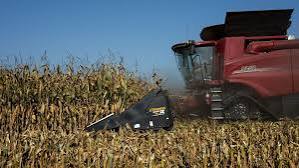
The U.S. corn harvest is running behind its normal pace, adding another layer of uncertainty to the outlook for the country’s largest row crop. The latest U.S. crop progress data shows that harvesting has progressed more slowly than average, while overall corn crop conditions have also declined to a season low.
The slower harvest is being closely watched by farmers, grain traders and commodity markets because the timing and pace of fieldwork can influence grain supplies, quality and prices during the key autumn marketing period.
Wet weather disrupts harvest operations
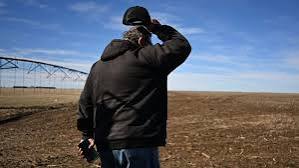
One of the main factors behind the delayed harvest is wet weather across parts of the Corn Belt. Persistent rainfall can prevent farmers from getting heavy harvesting equipment into fields and can leave soils too wet for machinery.
When field conditions remain saturated, farmers may have to postpone harvesting until fields dry sufficiently. Such delays can compress the harvest window and create additional pressure on farmers who are trying to bring crops out of the fields before further adverse weather arrives.
Wet conditions can also increase concerns about grain quality if mature corn remains in the field for an extended period. Farmers may need to monitor moisture levels carefully and potentially face higher drying costs when harvested grain contains excessive moisture.
Crop conditions decline
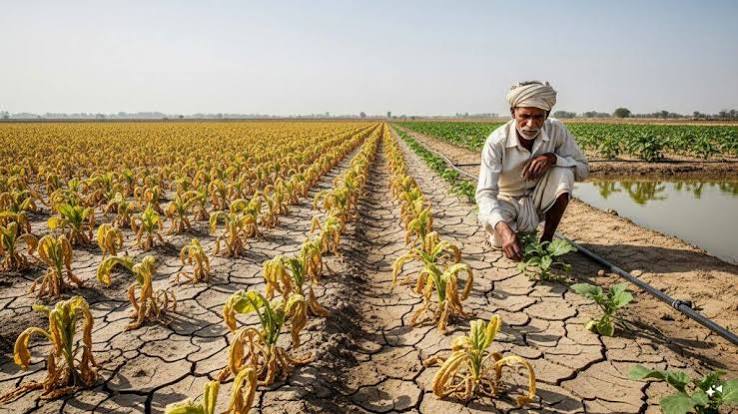
The decline in corn crop conditions to a season low is another important development. Crop-condition ratings provide markets with an indication of the health and potential performance of the crop, although they do not directly determine final yields.
A deterioration in crop conditions at this stage of the season can increase uncertainty over how much marketable corn will ultimately be available. Traders are therefore paying close attention to harvest results and field reports to determine whether actual yields match earlier expectations.
Implications for grain markets
The delayed harvest could temporarily affect the flow of newly harvested corn into the U.S. grain market. If farmers are unable to harvest quickly, the arrival of fresh supplies at elevators and processing facilities may be slower than expected.
Corn prices have already been responding to concerns about U.S. crop conditions and supply expectations. A slower harvest, combined with weaker crop ratings, could provide additional support to prices if traders begin to anticipate tighter-than-expected supplies.
However, the eventual market impact will depend heavily on final yields and the pace of harvest in the coming weeks. If weather improves and farmers make rapid progress, some of the current concerns could ease.
Farmers face a critical harvest window
For U.S. corn growers, the coming weeks will be crucial. Improving weather could allow fieldwork to accelerate, while continued rainfall could create further delays and increase production and post-harvest costs.
The situation also has implications for global agricultural markets because the United States is a major corn producer and exporter. Any significant change in U.S. production, harvest timing or available export supplies can influence international corn prices and feed markets.
For now, traders are watching three key factors closely: harvest progress, crop conditions and the weather outlook across the Corn Belt. The direction of these factors will help determine whether the current harvest delays remain a temporary logistical problem or develop into a more significant supply concern.

 By
By